Talks reportedly strain over maritime deal and recognition issue
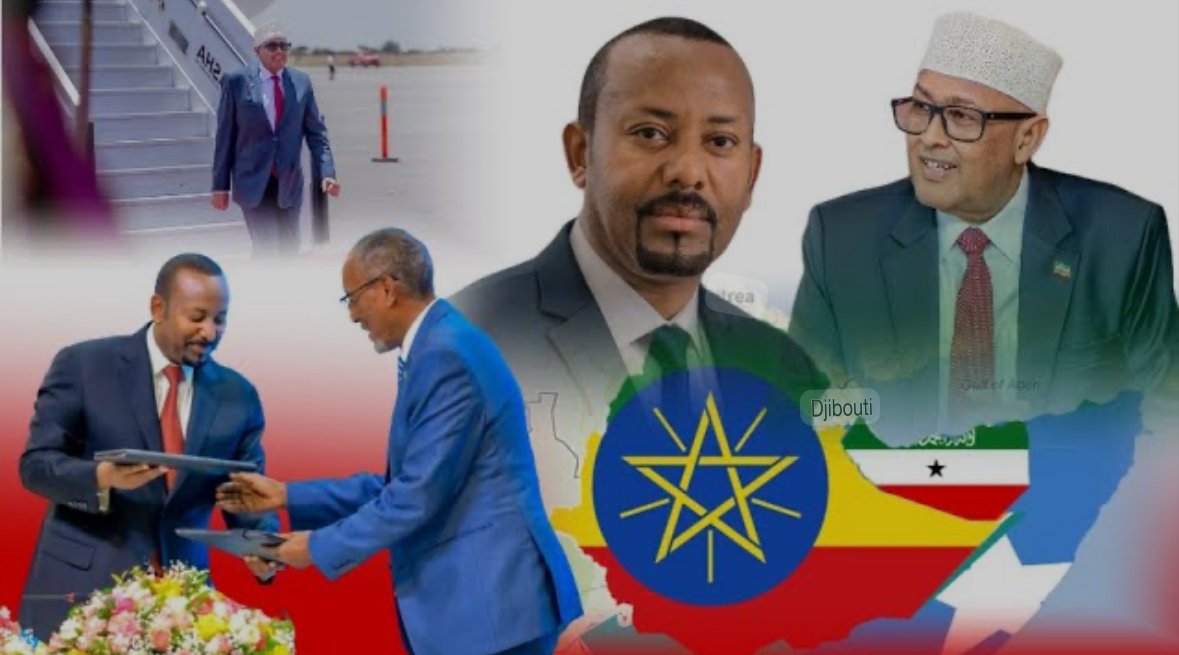
ADDIS ABABA, (HAN) — Somaliland President Abdirahman Mohamed Abdullahi “Cirro”, who succeeded Muse Bihi Abdi, faced tense discussions during his recent visit to Ethiopia after refusing requests from Ethiopian Prime Minister Abiy Ahmed regarding the controversial maritime agreement signed during Bihi’s administration, diplomatic sources told HAN News.
According to those familiar with the talks, President Cirro firmly rejected Ethiopia’s proposal, saying that the issue of sea access “does not serve the national interests of Somaliland.”
The Somaliland leader also urged Ethiopia to drop conditions tied to formal recognition, arguing that political independence should not come with preconditions. However, sources said Prime Minister Abiy refused to accept that demand.
“The Prime Minister asked President Cirro to remove the clause on recognition from the MoU,” said one source. “But the President declined, insisting Somaliland’s sovereignty is not up for negotiation.”
Reports indicate the meeting ended awkwardly, with President Cirro appearing visibly disappointed after Prime Minister Abiy stated that Ethiopia was not ready to recognize Somaliland and that the issue was “not on the agenda.”
Observers say the outcome underscores growing pressure on Ethiopia following objections from the Federal Government of Somalia, which declared the earlier MoU “null and void,” insisting that only Mogadishu has the constitutional authority to enter into international agreements.
A Horn of Africa political analyst told HAN that the situation highlights Somalia’s legal and diplomatic advantage in the dispute.
“Only the Federal Government of Somalia can sign international agreements,” the analyst said. “It now seems likely that Ethiopia could pursue a purely commercial arrangement for using Berbera Port, similar to how other East African countries use Kenya’s Port of Mombasa.”
During his remarks, President Cirro reportedly emphasized political independence and national decision-making, saying Somaliland remains open to dialogue based on mutual respect and recognition — but will reject any terms undermining its sovereignty.
“It’s unrealistic to expect Ethiopia to recognize us now,” a scholar based in Hargesisa was quoted as saying. “We’ve been seeking recognition for 33 years, yet no country has done so. We cannot continue deceiving ourselves.”
He also acknowledged growing internal divisions within Somaliland, noting that many communities in the eastern and northern regions do not support secession and instead favor unity with Somalia.
“If separation is truly our goal, it must be discussed with our southern brothers,” he said. “The people in the north should have the right to vote — to decide whether to remain part of Somalia or not.”
Analysts say Cirro’s comments mark a notable shift in tone from previous administrations, signaling a potential openness to renewed dialogue between Hargeisa and Mogadishu over the future of Somaliland’s political status.