JOHANNESBURG – South Africa will dispatch special envoys to African countries and other parts of the world following a wave of xenophobic attacks targeting immigrants from across the continent, President Cyril Ramaphosa announced on Thursday.
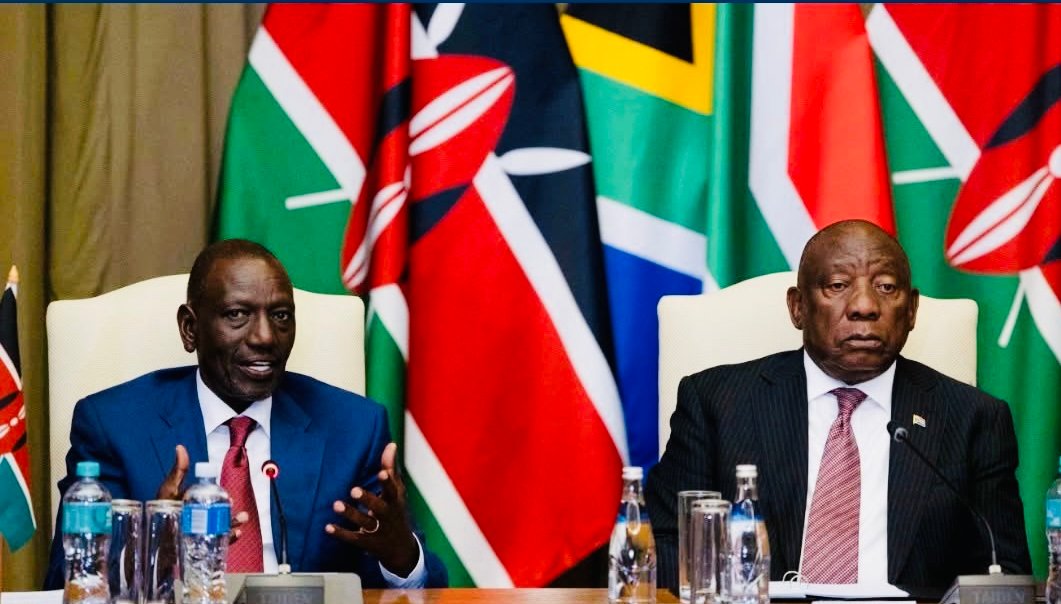
Speaking after bilateral talks with Kenyan President William Ruto in Pretoria, Ramaphosa said the government would engage African nations and international partners to address migration-related challenges and repair strained relations caused by recent anti-immigrant violence.
“There will be envoys, yes, there will be people that we will send around not only on the continent but also around the world,” Ramaphosa said, stressing the need for countries to work together on migration issues.
The announcement comes amid growing concern over attacks on foreign nationals in several South African communities. In recent weeks, anti-immigrant protests and violence have displaced hundreds of migrants, with some forced to seek shelter in public buildings or flee their homes. Reports indicate that immigrants from countries including Mozambique, Malawi, Zimbabwe, and other African states have been targeted.
Mozambique has reported that at least five of its citizens were killed in recent attacks in South Africa’s Western Cape province, while hundreds of others have returned home amid fears for their safety. Several African governments, including Ghana and Nigeria, have also taken steps to assist citizens affected by the violence.
Ramaphosa rejected claims that South Africans are generally xenophobic, telling President Ruto that the country remains committed to peaceful coexistence with people from across Africa. He emphasized that violence against foreigners does not reflect the values of the nation and pledged continued efforts to combat both illegal immigration and xenophobia.
The latest unrest has reignited debate over immigration in South Africa, where high unemployment, poverty, and crime have fueled resentment against foreign nationals. Human rights groups and regional leaders have called on the government to take stronger action to protect migrants and uphold African solidarity.
South Africa has experienced several waves of xenophobic violence since 2008, with foreign-owned businesses often targeted during periods of social and economic tension. Analysts warn that unless underlying economic challenges are addressed, anti-immigrant sentiment could continue to threaten social stability and regional relations.