PORT SUDAN — Sudanese authorities have held an emergency economic meeting as the Sudanese pound continues to lose value sharply against foreign currencies, fueling concerns over rising prices and worsening pressure on household incomes.
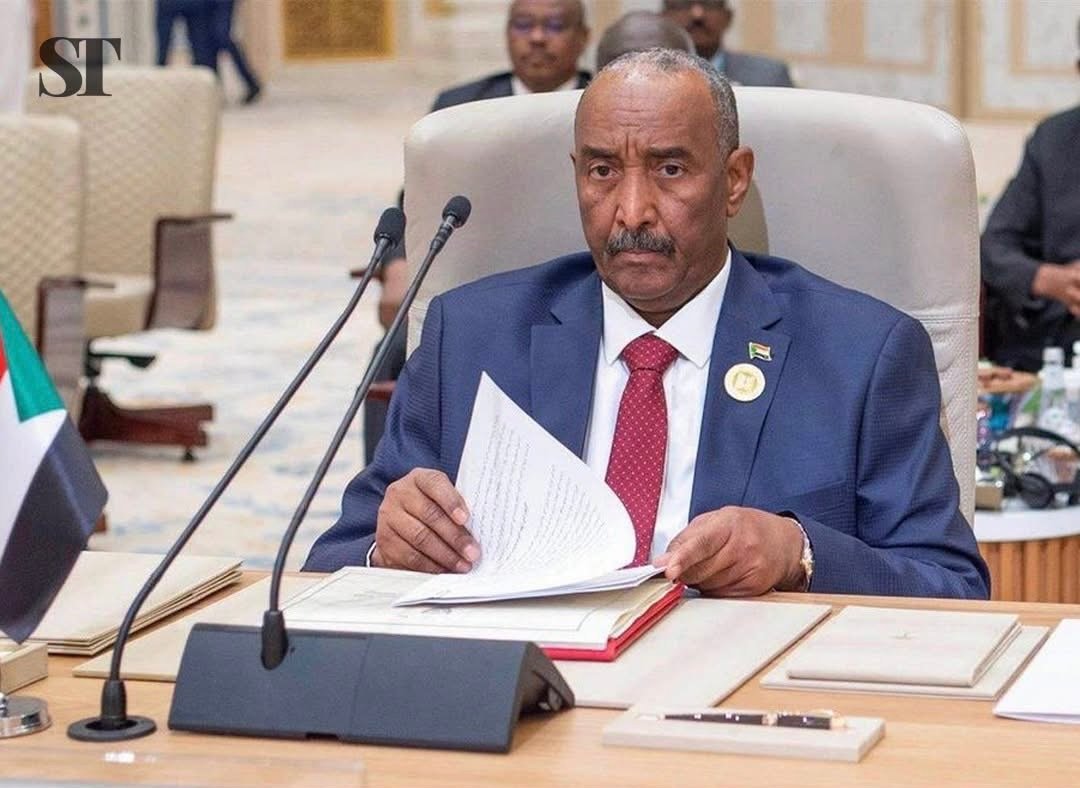
Sudan’s army chief, Gen. Abdel Fattah al-Burhan, chaired the meeting, which was attended by Prime Minister Kamil Idris and senior economic ministers. Officials discussed the accelerating currency crisis and measures to stabilize the pound and ease the economic pressure facing citizens.
The Sudanese pound has fallen to record lows on the parallel market. The U.S. dollar has been reported at more than 8,000 Sudanese pounds, with some market reports putting the rate above 8,200 pounds as volatility in the foreign-exchange market intensifies.
Finance Minister Gibril Ibrahim has attributed the pressure on the pound to strong demand for foreign currency, an import bill that exceeds export revenues and limited foreign-exchange reserves. He has also cited rising oil, transportation and insurance costs linked to regional developments as additional pressures on the economy.
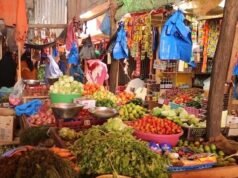
The currency’s rapid depreciation is affecting consumers and businesses across the country. Traders in several Sudanese cities have reportedly suspended sales of some goods because of uncertainty over replacement costs, while prices of basic commodities, including sugar and flour, have risen sharply.
Sudan’s economy has been severely disrupted by more than three years of war between the Sudanese Armed Forces and the paramilitary Rapid Support Forces. The conflict has damaged infrastructure, disrupted production and trade, and deepened an already serious humanitarian and economic crisis.
The government has previously considered measures to strengthen foreign-exchange controls, including tighter oversight of gold exports, foreign-currency earnings, border trade and imports. Authorities have also emphasized increasing domestic production and reducing the country’s reliance on imported goods.
The emergency meeting comes as the government faces growing pressure to contain the currency’s decline and prevent further increases in the cost of essential goods.