By HAN News Desk
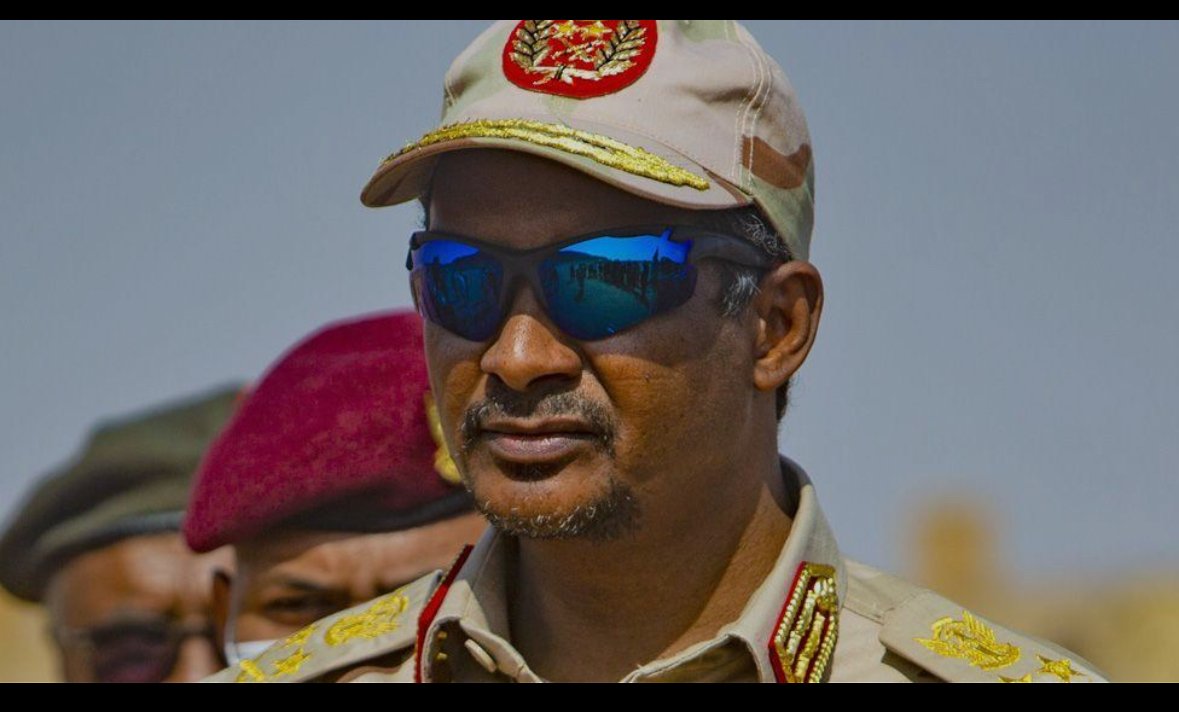
KHARTOUM — The commander of Sudan’s Rapid Support Forces (RSF), Mohamed Hamdan Dagalo—widely known as Hemetti—has announced that his forces have agreed to a three-month humanitarian ceasefire, in what he described as a significant step toward easing the suffering of civilians caught in the country’s devastating conflict.
In a statement issued on Tuesday, Hemetti said the truce aligns with a previously drafted framework proposed by the United States, Saudi Arabia, the United Arab Emirates, and Egypt, which are seeking to revive stalled diplomatic efforts aimed at finding a peaceful solution to Sudan’s war.
Hemetti noted that the decision comes as part of his support for ongoing international efforts led by U.S. President Donald Trump, whose administration has recently intensified engagement with regional partners in a bid to halt the violence and reopen humanitarian corridors.
According to the RSF leader, the ceasefire is specifically intended to allow the uninterrupted delivery of life-saving humanitarian assistance to millions of Sudanese civilians trapped in besieged cities or displaced by months of fighting. Aid agencies have repeatedly warned that continued clashes, blockades, and access restrictions have pushed large parts of the population to the brink of famine.
“We are committing to this ceasefire to ensure that suffering civilians receive the urgent support they desperately need,” Hemetti said, calling on all parties to facilitate aid movements and respect the humanitarian pause.
The announcement comes amid continued international pressure on both the RSF and the Sudanese Armed Forces (SAF) to halt hostilities, as the conflict—now in its second year—has claimed thousands of lives and displaced more than 10 million people, creating one of the worst humanitarian crises in the world.
It remains unclear whether the Sudanese Armed Forces will formally endorse the proposed truce. Observers say the success of any humanitarian pause will depend on the willingness of both sides to halt fighting on the ground and guarantee safe access for relief organisations.