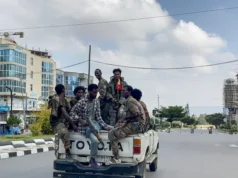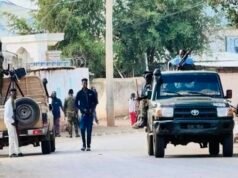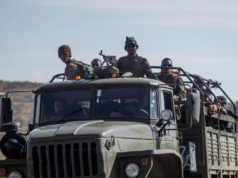
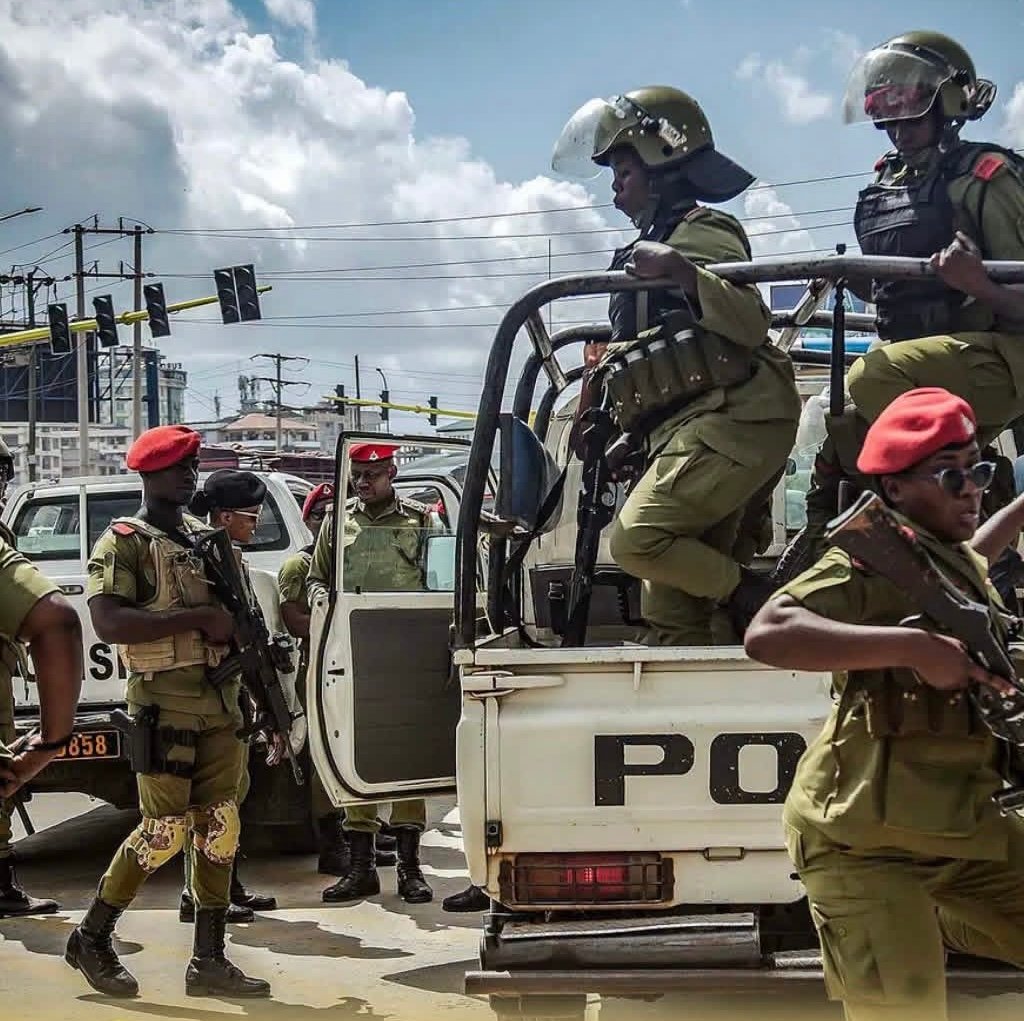
DAR ES SALAAM — Tanzanian authorities have deployed soldiers and police across Dar es Salaam and other major cities ahead of planned protests scheduled for July 7, as tensions rise over calls for political reforms and accountability for past election-related violence.
Security officials have increased patrols, set up checkpoints, and reinforced key public areas including government buildings, major roads, and transport hubs. The deployments come amid growing concern over possible demonstrations organized by youth groups demanding democratic reforms and justice for those killed during unrest linked to last year’s disputed election period.
The planned protests are being led by activist and youth networks who accuse the government of restricting political space and failing to fully investigate allegations of excessive force during previous unrest. Organizers have called for greater electoral transparency, judicial independence, and accountability for security operations during post-election demonstrations.
President Samia Suluhu Hassan was re-elected with nearly 98% of the vote, a result that drew criticism from opposition figures and international observers after several prominent opposition candidates were disqualified from the race. Critics argued that the political environment limited meaningful competition, while the government maintained that the electoral process was conducted in accordance with national laws.
Authorities have already banned political rallies, saying the restrictions are necessary to maintain public order and prevent violence. Officials have warned that unauthorized demonstrations will not be tolerated, urging citizens to refrain from participating in what they described as “illegal gatherings.”
Human rights organizations have previously expressed concern over political restrictions and the shrinking space for opposition activity in Tanzania, particularly during election periods. They have urged authorities to allow peaceful assembly and ensure proportional use of force in handling public demonstrations.
Security analysts say the situation reflects heightened political sensitivity following the disputed election period, with both the government and opposition groups adopting firm positions ahead of the planned protests. They warn that the deployment of security forces could either deter large-scale unrest or increase tensions depending on how authorities respond on the day.
As July 7 approaches, residents in major cities report increased visible security presence, while authorities continue to monitor social media activity linked to protest mobilization.