By HAN News Desk
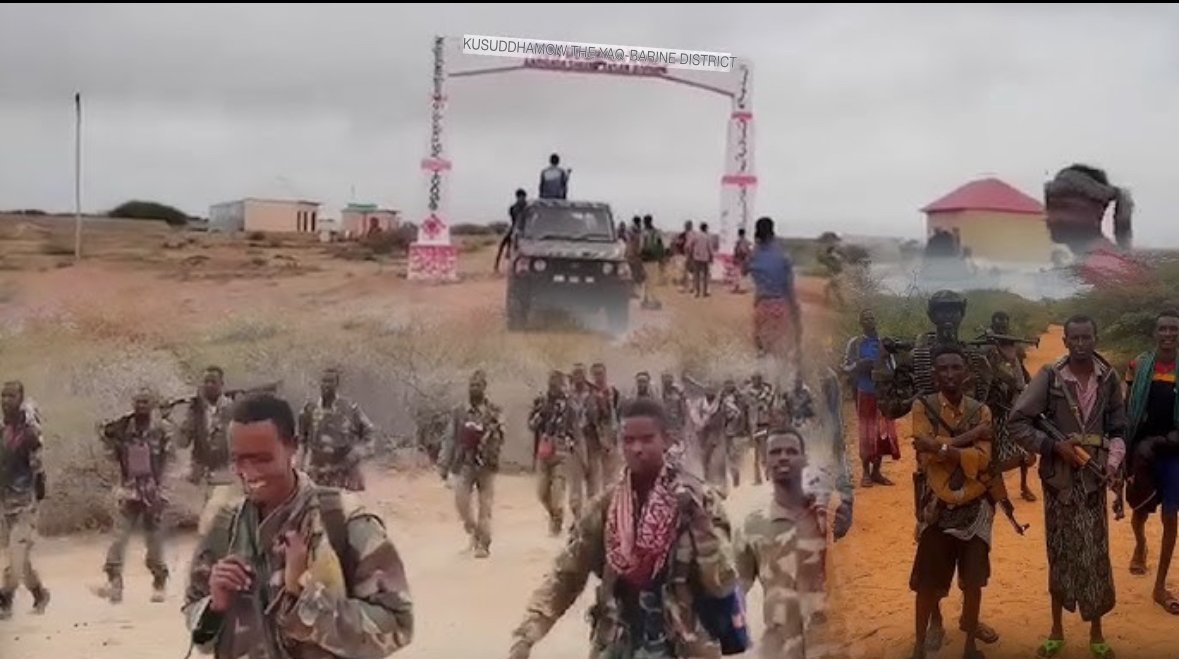
MOGADISHU — Tensions in the Lower Shabelle region continue to rise as Somali security forces step up operations against armed groups accused of erecting illegal roadblocks, while political disputes intensify between federal lawmakers and authorities in South West State.
Military officials say recent clashes have targeted militia elements involved in extortion and blocking key transport routes. In response, the Somali military court has issued death sentences, arrest warrants, and other punitive measures against individuals accused of violence, banditry, and disrupting regional stability.
The security operations are unfolding alongside a growing political rift. Federal MP Caanooy, who represents communities in Lower Shabelle, has accused the South West State administration of maintaining covert links with al-Shabaab. He alleges that the regional government operates under what he calls a “mutual understanding” with the militant group, claiming it has not taken genuine steps to fight al-Shabaab in the region.
Caanooy also says fellow MP Dahir Jeesow—widely known for his local mobilisation efforts against al-Shabaab—has come under pressure from the South West authorities. According to him, regional officials have asked the federal government to hand Jeesow over, accusing him of fuelling clan-related violence.
South West State officials strongly deny the accusations, arguing instead that Jeesow’s activities have heightened clan tensions in already fragile areas. They maintain that their actions aim to restore stability and prevent further clan conflict, rather than hinder counter-al-Shabaab efforts.
These political disputes come amid growing concerns from Gaaljecel clan elders and politicians, who claim that individuals genuinely fighting al-Shabaab are being unfairly targeted by the regional administration. Community leaders warn that such tensions threaten to weaken local resistance to the militant group at a critical moment.
Lower Shabelle—one of Somalia’s most important agricultural hubs—has long struggled with overlapping challenges, including clan disputes, militant activity, and competition over land and revenue routes. Residents report that the recent rise in clashes and political infighting has further undermined security, complicating humanitarian access and economic activity across the region.
Analysts caution that unless political leaders and security agencies coordinate more effectively, the combination of armed confrontations, tribal grievances, and political mistrust could deepen instability in one of Somalia’s most volatile regions. For now, the situation remains fluid, with military operations and political tensions.