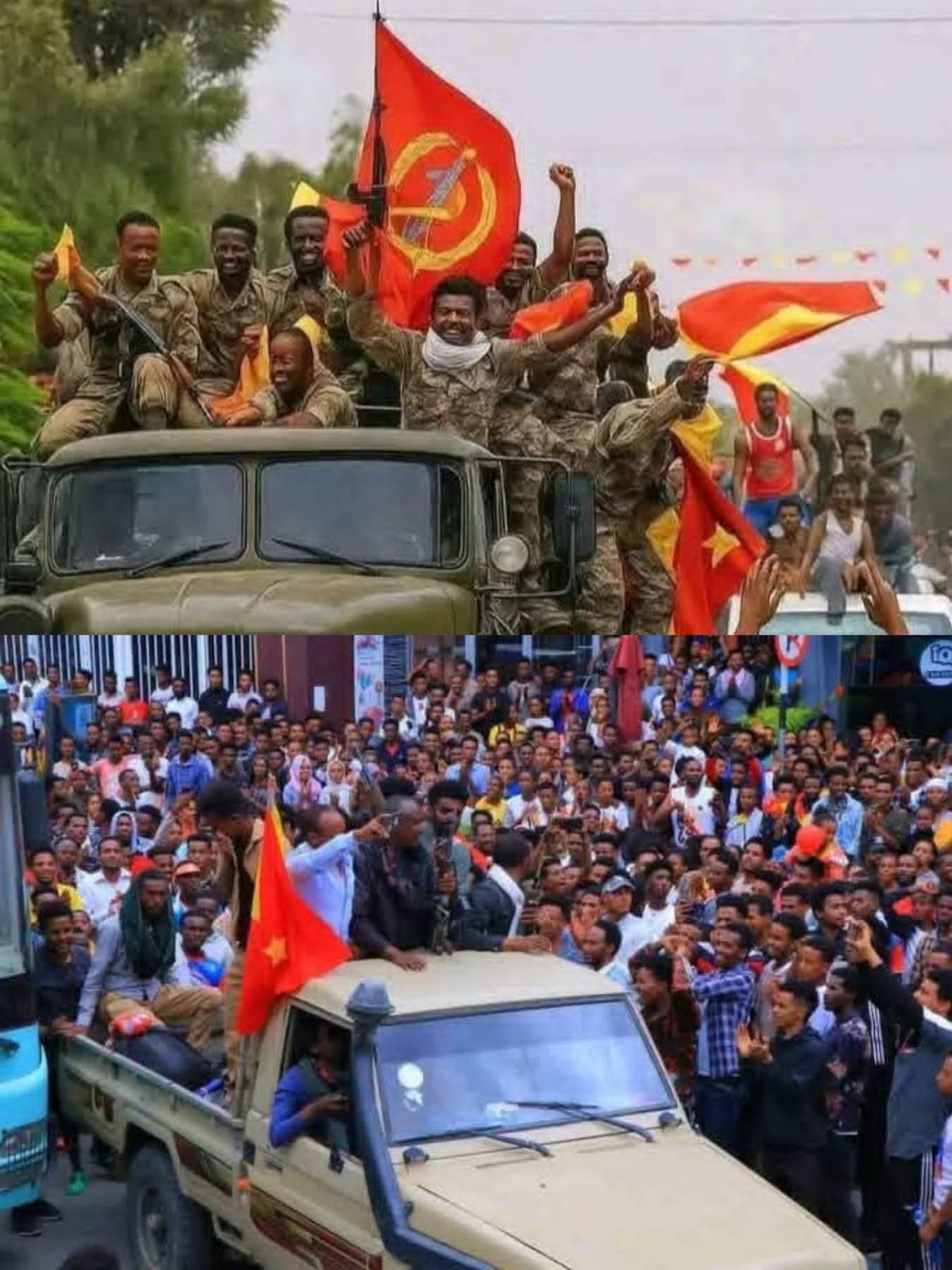
MEKELLE — Supporters of Tigrayan political and military actors on Sunday marked the anniversary of June 21, 2021 (2013 Ethiopian calendar), describing it as a significant moment in the conflict in northern Ethiopia, according to local statements circulated on social media and community channels.
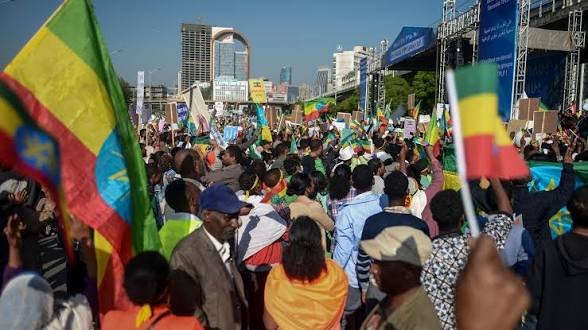
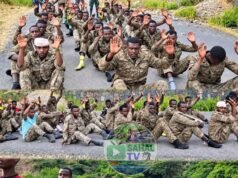
In messages shared in Tigrinya, commemorators described the date as symbolising resistance, self-determination and what they called the “heroism” of Tigrayan forces during the conflict with Ethiopian federal troops and allied regional forces.
The posts referred to the period when Tigrayan forces regained control of Mekelle and other parts of the Tigray region during the shifting phases of the war, which began in November 2020 and later expanded into one of the world’s most severe humanitarian crises.
The messages portrayed the date as one of political significance for Tigrayan identity, referring to themes of resilience and resistance. They also paid tribute to those killed during the conflict, describing them as “martyrs.”
The conflict in northern Ethiopia involved federal forces, regional allies, and the Tigray People’s Liberation Front (TPLF)-aligned forces, and resulted in widespread displacement, infrastructure destruction, and significant civilian suffering, according to the United Nations and humanitarian organizations.
A peace agreement was signed in November 2022 in Pretoria, South Africa, formally ending large-scale hostilities, although tensions and localized security concerns have persisted in some areas of northern Ethiopia.
Authorities in Ethiopia have in recent years encouraged national reconciliation efforts, while communities affected by the conflict continue to observe commemorations and memorial events reflecting different perspectives on the war.
The latest anniversary messages highlight the continued sensitivity surrounding the conflict and the differing narratives that remain within Ethiopia’s political landscape.