By HAN News Desk
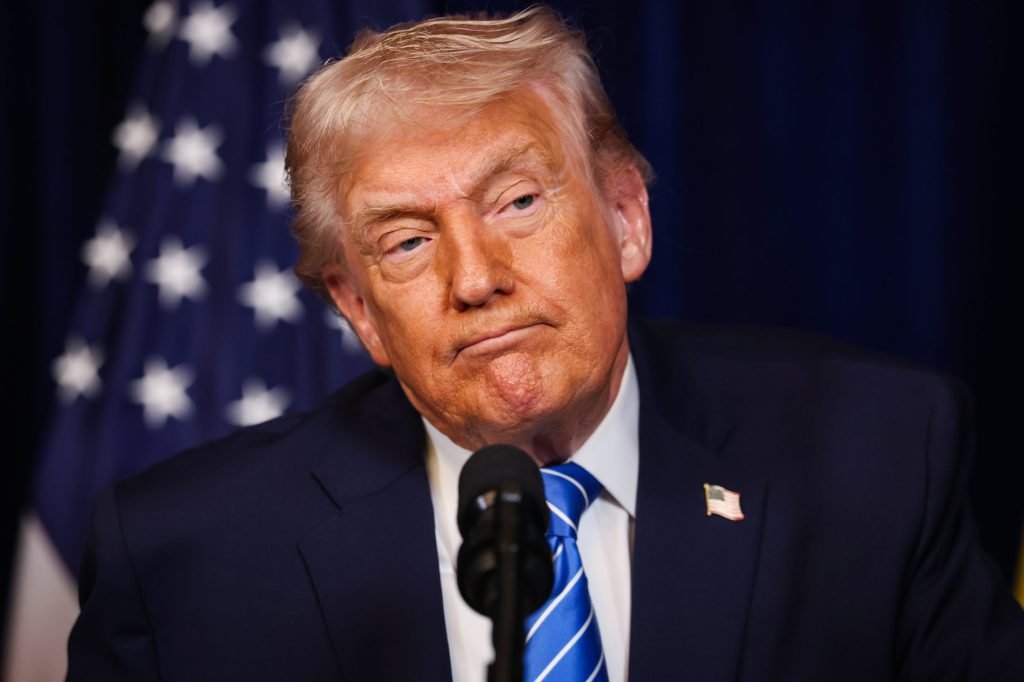
WASHINGTON / MUSCAT / TEHRAN — The newspaper The New York Times reported that the prime minister of Israel spent months lobbying U.S. President Donald Trump not to cancel a planned military strike against Iran, even while diplomatic negotiations between Washington and Tehran were underway.
According to the report, Trump ultimately agreed to proceed with the attack and launched strikes on Iran on Saturday, despite ongoing talks that had reportedly brought both sides closer to a potential understanding just days earlier. The negotiations were being mediated by Oman, whose foreign minister said discussions held on Thursday had narrowed differences between the United States and Iran and raised hopes for a diplomatic breakthrough.
The developments underscore the fragile state of diplomacy in the region, as tensions between Washington and Tehran continue to escalate following the military action and the collapse of talks.
Meanwhile, Iran’s foreign minister, Abbas Araghchi, warned that U.S. military installations across the Middle East could become targets if the conflict continues. In public remarks, Araghchi said Iran does not consider neighboring countries to be enemies, but described American bases in the region as “legitimate targets.”
He added that Iran does not view the current fighting as a regional war involving multiple countries, but rather as a direct confrontation between Iran and the United States that has extended into the wider Middle East.
Tensions rose further after statements attributed to Iranian military officials suggested possible threats to global energy routes and infrastructure. Iranian General Ebrahim Jabbari warned that Iran could attack ships attempting to pass through the Strait of Hormuz, one of the world’s most important oil shipping lanes, and could also target oil pipelines in the region.
Jabbari said Iran would not allow oil exports to continue if the conflict intensifies, adding that such disruptions could drive global oil prices sharply higher in the coming days.
Separately, an adviser to the commander of Iran’s Islamic Revolutionary Guard Corps said Tehran could target what he described as the enemy’s oil supply lines and would seek to prevent energy exports from the region if hostilities escalate further.
The statements reflect increasingly sharp rhetoric from Iranian officials and highlight growing international concerns that the confrontation could widen, potentially disrupting global energy markets and threatening security across the Middle East.