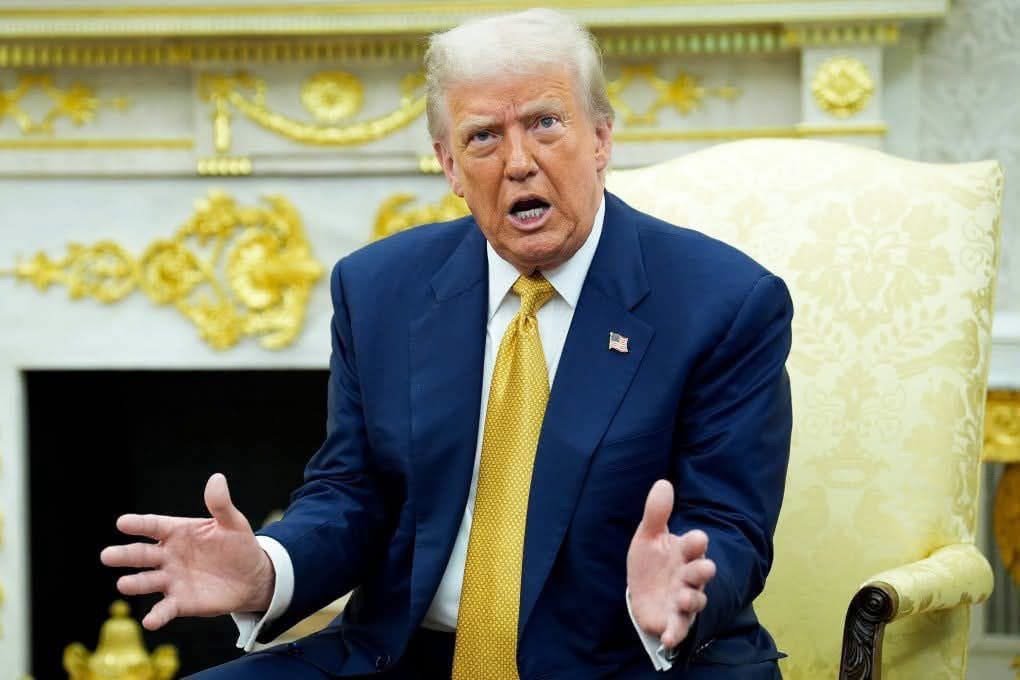
WASHINGTON – U.S. President Donald Trump has announced that he intends to abandon a proposed 20 percent tariff on goods passing through the Strait of Hormuz, replacing the measure with trade and investment agreements between the United States and Gulf countries.
Trump said the new approach would focus on expanding economic partnerships with Gulf nations rather than imposing additional costs on goods moving through one of the world’s most important energy and shipping routes.
The Strait of Hormuz is a critical global trade corridor through which a significant share of the world’s oil and gas supplies pass. Any disruption or additional costs affecting shipping through the waterway could have major consequences for Gulf economies, global energy markets, and international trade.
However, critics argue that the proposed policy shift comes after rising political and economic pressure linked to tensions with Iran and the growing financial burden of U.S. involvement in regional security matters.
Some analysts say Gulf countries could face the greatest economic risks from instability around the Strait of Hormuz, including higher shipping costs, energy market uncertainty, and disruptions to trade. They argue that Washington’s strategy is now moving from direct economic pressure toward securing investment commitments from Gulf partners.
According to critics, Trump’s push for new investment agreements could also be aimed at addressing domestic concerns inside the United States over the cost of foreign policy decisions and military spending related to Iran and regional conflicts.
The proposed investment arrangements would potentially increase financial flows from Gulf economies into U.S. industries, infrastructure, technology, and other sectors, creating economic benefits for American businesses.
Supporters of the approach argue that stronger commercial ties between the United States and Gulf countries could promote stability and reduce tensions through economic cooperation. They say investment partnerships are a more sustainable alternative to trade restrictions that could harm international markets.
Opponents, however, question whether Gulf states are being asked to carry a greater share of the economic consequences of regional tensions while Washington seeks financial benefits from new agreements.
The debate highlights the complex relationship between U.S. foreign policy, Gulf economic interests, and the wider geopolitical competition surrounding Iran, energy security, and control of strategic waterways.
As tensions in the region continue, Gulf countries are closely watching how Washington balances security commitments, economic interests, and diplomatic negotiations in the Middle East.