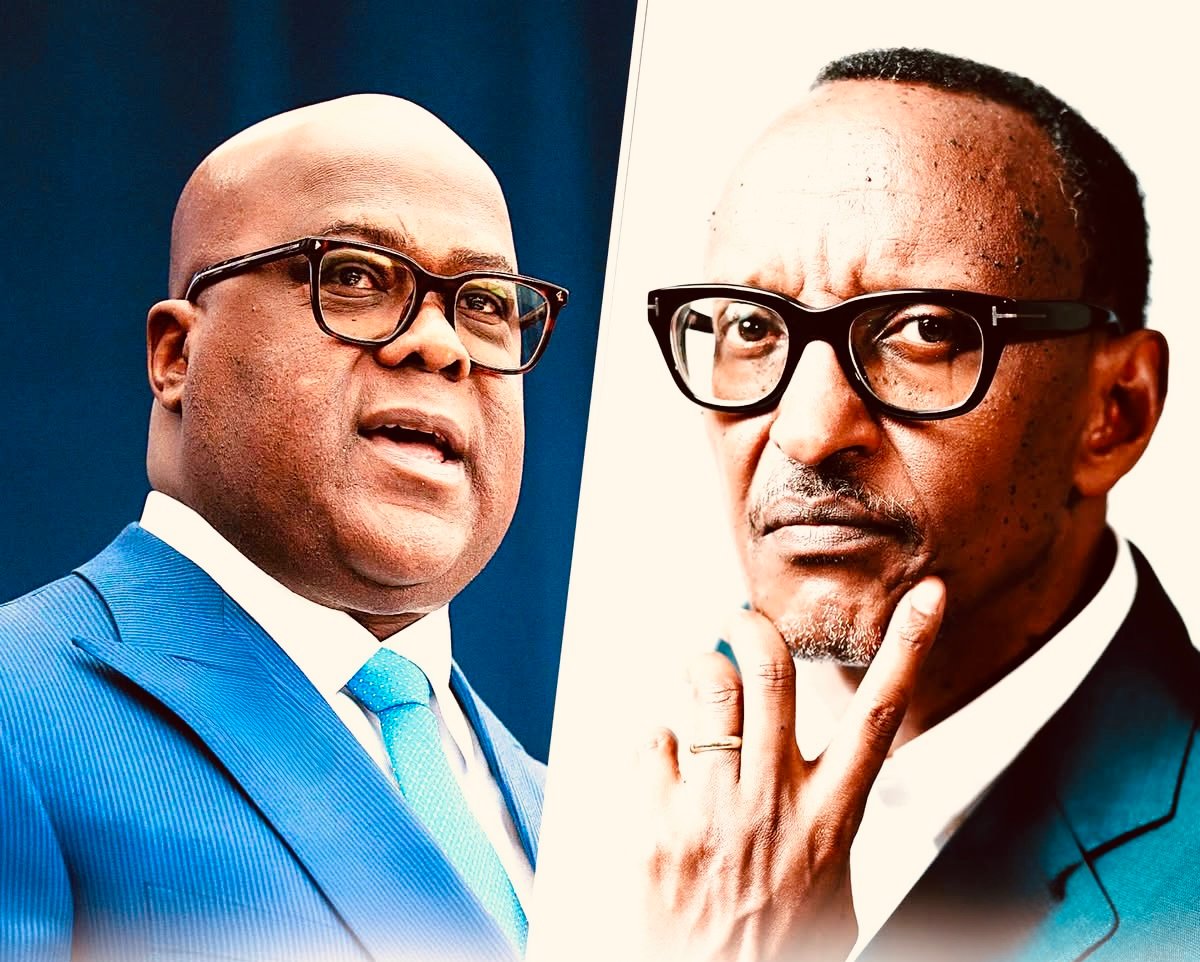
KINSHASA — President Félix Tshisekedi has drawn a firm line over the Democratic Republic of Congo’s proposed National Dialogue, declaring that armed groups will not be allowed to turn military gains or territorial control into political legitimacy.
“No military conquest can be converted into political legitimacy,” Tshisekedi said, emphasizing that the national dialogue should not become a pathway for armed movements to obtain political power through force.
The Congolese president said groups that continue to challenge the country’s constitutional order, occupy national territory by force, establish parallel administrations or allegedly operate in the interests of a foreign power — which he identified as Rwanda — would not participate in the dialogue as political entities.
Tshisekedi’s remarks appear to be directed particularly at AFC/M23, which has seized control of significant areas in eastern DRC during the ongoing conflict.
For AFC/M23, Tshisekedi said the Doha peace process remains the appropriate framework for addressing military and security-related issues, including the implementation of ceasefire arrangements, disengagement, cantonment and disarmament.
At the same time, the president indicated that individual combatants would still have an opportunity to return to civilian life and reintegrate into Congolese society. However, he said this would require a genuine and verifiable renunciation of armed struggle and violence through established disarmament, demobilization and reintegration mechanisms.
Tshisekedi also issued a warning that any future peace agreement must include accountability.
“Peace cannot mean impunity,” he said.
The statement reinforces Kinshasa’s position that the political future of the DRC must be determined through constitutional and peaceful processes rather than through armed territorial expansion.
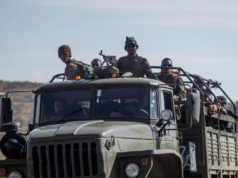
The comments come amid ongoing diplomatic efforts to end the conflict in eastern Congo, where fighting involving the M23 movement has displaced large numbers of civilians and intensified tensions between the DRC and Rwanda.
The Congolese government has repeatedly accused Rwanda of supporting M23, while Kigali has denied directly controlling the movement and has cited security concerns along its border with the DRC.
Tshisekedi’s latest position suggests that Kinshasa is prepared to engage in political dialogue, but does not want military control of territory to become a bargaining tool for formal political recognition.
The central message from Kinshasa is therefore clear: armed groups may be offered a path back into civilian and political life, but military conquest itself will not be recognized as a legitimate route to political power.