By HAN News Desk
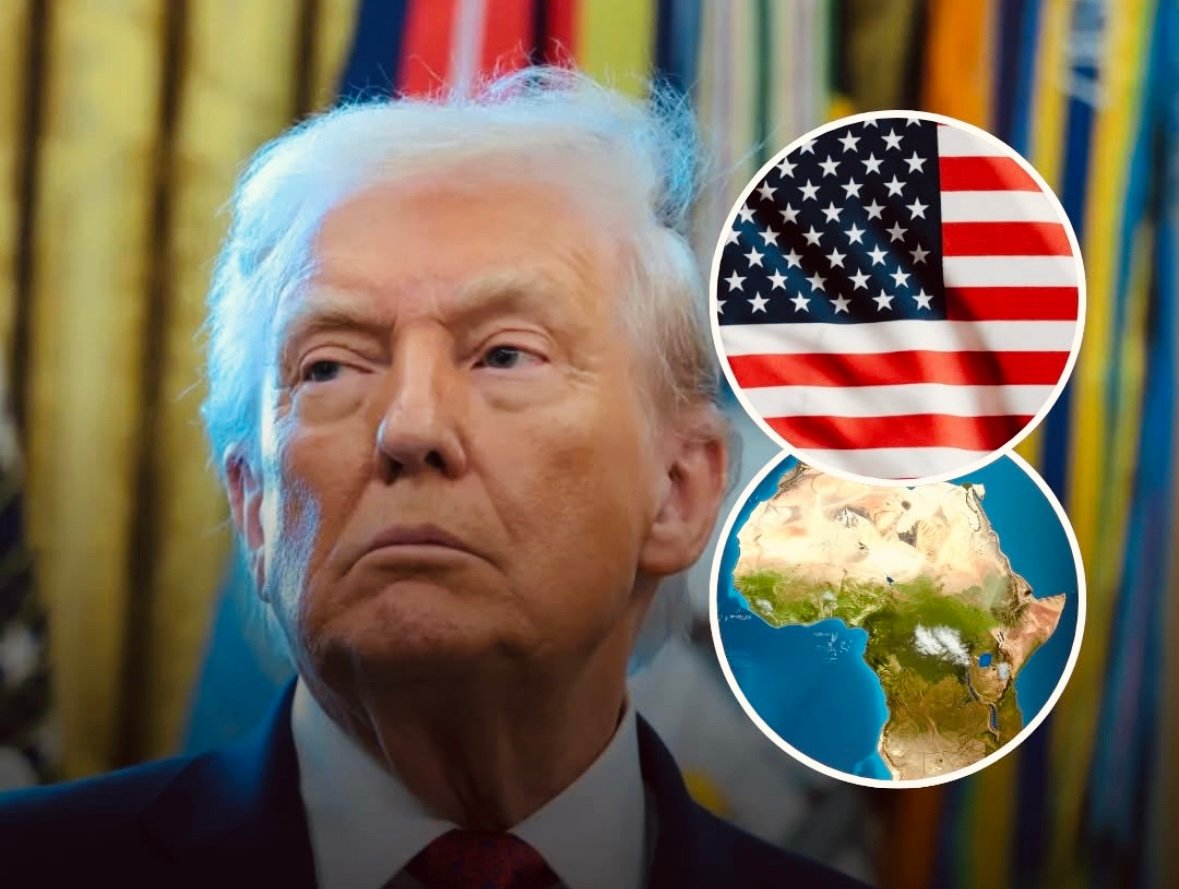
WASHINGTON — The United States has expanded its travel restrictions to include several African nations, citing security concerns, officials announced on Wednesday. The new measures directly affect Nigeria, Mali, and other members of the Alliance of Sahel States (AES), imposing either full or partial restrictions on entry to the United States.
U.S. authorities said the decision was prompted by ongoing security threats, including concerns about terrorism, organized crime, and regional instability in parts of West and Central Africa. However, officials provided limited details on the specific risks that prompted the expanded restrictions.
The announcement has sparked widespread reaction on social media, where Africans have voiced criticism, expressed irony, and called for reciprocal travel measures against U.S. citizens. Many users and analysts argued that the restrictions disproportionately target African countries, potentially limiting the economic, educational, and diplomatic opportunities of their citizens abroad.
Experts note that the decision reflects broader tensions over visa policies and international mobility for African travelers, who often face stricter requirements compared with citizens from other regions. “These measures could deepen frustrations with Western travel policies and reinforce perceptions of inequality in global mobility,” said an international relations analyst.
The move comes amid ongoing dialogues between the U.S. government and African nations over security cooperation and counterterrorism initiatives. Some analysts warn that such restrictions may complicate diplomatic relations and hinder trade, investment, and educational exchanges.
Officials have emphasized that the restrictions are temporary and subject to review, but African governments are expected to respond diplomatically in the coming weeks. Meanwhile, civil society groups have called for clearer communication and transparency regarding the criteria used to determine these travel restrictions.
This development adds to a growing debate over the balance between national security concerns and the rights of citizens to travel freely in an increasingly interconnected world.