By HAN News Desk
Washington — Divisions have emerged within the government of the United States over the decision-making process behind ongoing military operations against Iran, as the conflict enters its fourth week.
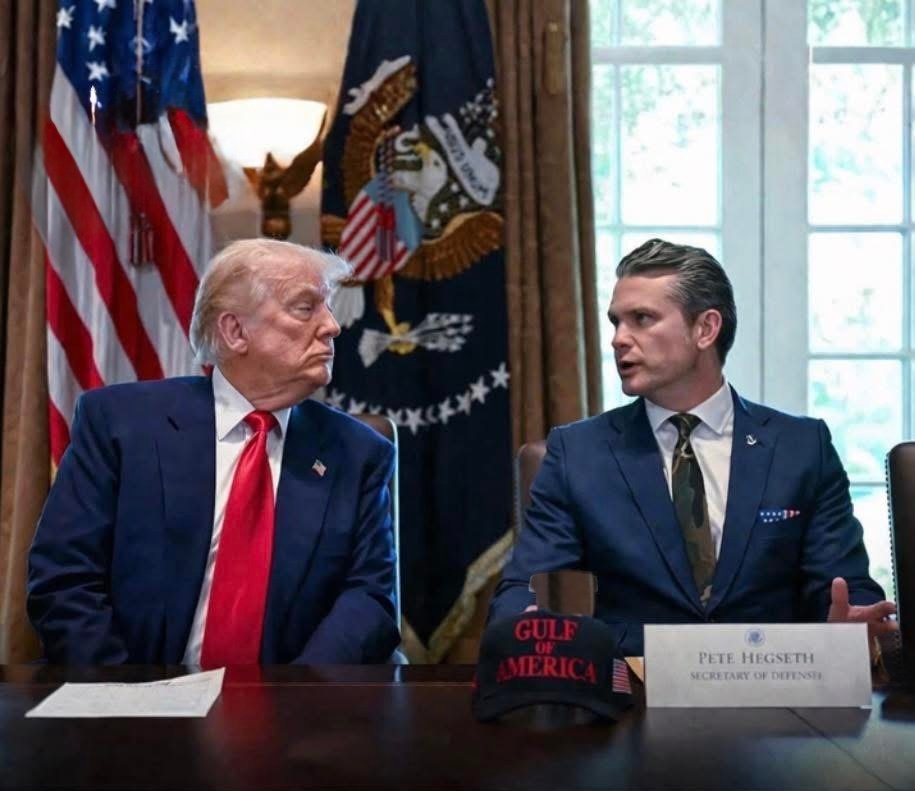
Former President Donald Trump said during remarks at an event in Tennessee that Pete Hegseth was among the first to advocate for military action, citing concerns over Iran’s nuclear ambitions.
“Pete … said, ‘We have to act because Iran cannot be allowed to obtain nuclear weapons,’” Trump told attendees, describing early discussions that preceded the escalation.
The comments come amid conflicting reports from within the U.S. administration about how the decision to strike Iran was reached. Some officials have suggested that intelligence warnings and internal objections were raised prior to the operation but may not have been fully considered.
Trump also expressed surprise at the scale of Iran’s retaliatory attacks, contradicting accounts from other sources indicating that such responses had been anticipated by defense planners.
The Pentagon has confirmed that at least 13 U.S. service members have been killed since the start of the hostilities, underscoring the growing human cost of the conflict. The fighting has also contributed to broader instability across the region, raising concerns among international observers.
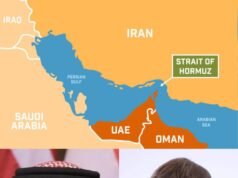
At the center of the crisis is the Strait of Hormuz, a critical global shipping route through which a significant portion of the world’s oil supply passes. Disruptions in the waterway have heightened fears of rising energy prices and economic fallout worldwide.
Despite earlier statements claiming that Iranian military capabilities had been significantly weakened, challenges in securing the Strait of Hormuz have persisted. Analysts note that even limited disruptions or threats in the narrow passage can have outsized global consequences.
Trump said he has extended a previously set deadline for Iran by an additional five days, signaling that diplomatic and military options remain under consideration. However, uncertainty continues to surround both the origins of the conflict and the strategy moving forward.
Leaders across the Middle East and beyond have called for restraint as fears grow of a wider regional war. Officials in Gulf countries have raised concerns about the safety of energy infrastructure and shipping routes, while European governments have urged a return to diplomacy.
The United Nations has called for an immediate de-escalation, warning that continued fighting could trigger a humanitarian crisis and further disrupt global energy markets.
Meanwhile, global oil prices have shown volatility amid uncertainty surrounding supply routes through the Gulf, with analysts warning that prolonged instability could impact economies far beyond the region.
U.S. defense officials say additional naval and air assets have been deployed to the region to protect commercial shipping and deter further escalation. Iran, for its part, has signaled it will continue to respond to what it describes as “aggression,” raising the risk of continued tit-for-tat strikes.
Experts note that even if large-scale ground conflict is avoided, the risk of miscalculation remains high, particularly in and around the narrow maritime corridors of the Gulf.
As the conflict drags on, analysts warn that both political divisions in Washington and military tensions in the Gulf could complicate efforts to reach a swift resolution. With no clear off-ramp in sight, the situation remains fluid, and the potential for further escalation continues to concern policymakers worldwide.