By HAN News Desk
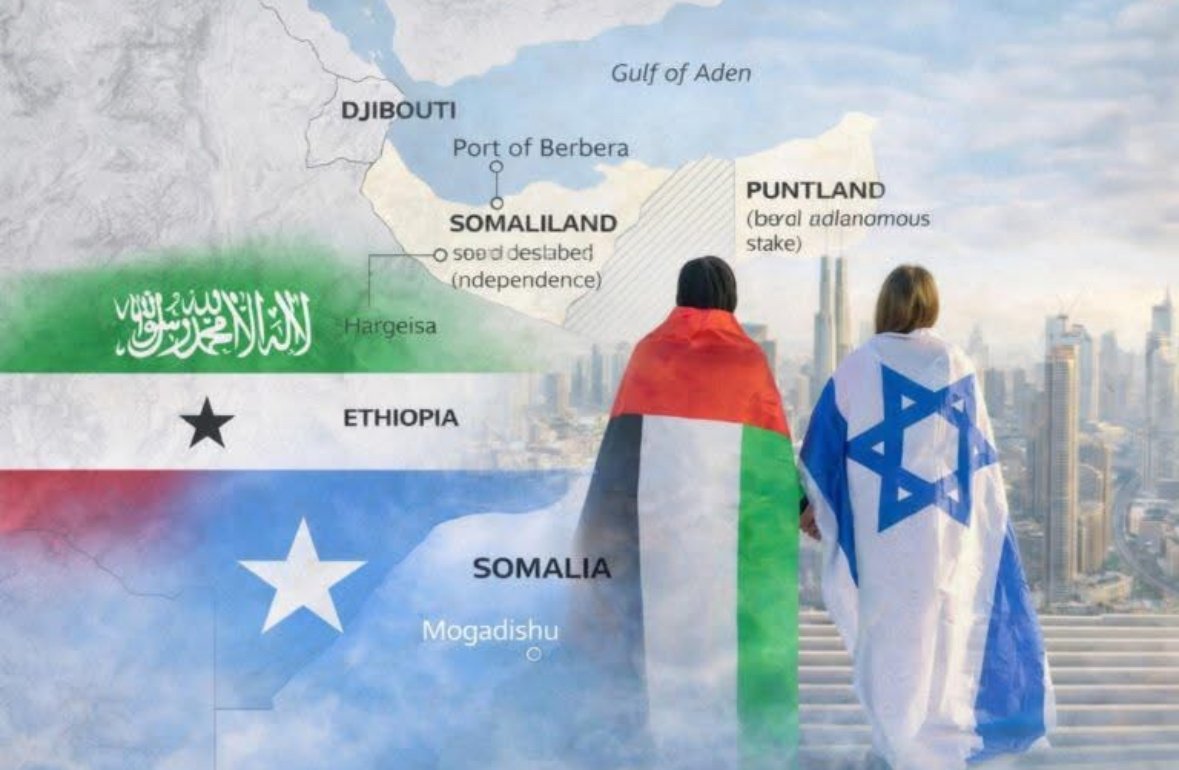
MOGADISHU — The United Arab Emirates (UAE) has decided to fully withdraw from Somalia, according to multiple sources familiar with the decision, marking a significant shift in the Gulf state’s engagement in the Horn of Africa. Officials say the move follows months of rising political tensions and persistent security challenges in the country.
The UAE has played a notable role in Somalia for more than a decade, maintaining diplomatic representation, funding development and humanitarian projects, and engaging in security cooperation with various Somali institutions. Its involvement has included support for infrastructure, health services, and training programs, alongside broader regional security interests.
Analysts say the withdrawal could have far-reaching implications for Somalia’s political landscape and regional stability, particularly at a time when the country continues to battle insurgency, political fragmentation, and economic fragility.
A senior Somali government official, speaking on condition of anonymity because they were not authorized to comment publicly, confirmed that discussions between Mogadishu and UAE representatives had been underway for some time. The official said the withdrawal is expected to be implemented gradually to avoid abrupt disruptions.
“The UAE has been an important partner for Somalia over the years,” the official said. “However, current political and security circumstances have led to a reassessment of their continued presence.”
International observers note that relations between Somalia and some Gulf states have faced strains in recent years, often linked to competing regional alliances and disagreements over internal Somali political affairs. The UAE’s exit may prompt other foreign actors to reconsider their roles or adjust their engagement strategies in the country.
There has been no immediate public comment from UAE authorities outlining a detailed timeline or clarifying which specific programs will be affected by the withdrawal. It also remains unclear how the move will impact ongoing development projects and security cooperation on the ground.
Somalia’s government has yet to issue an official statement, but diplomats say the decision is likely to influence broader discussions about foreign involvement, sovereignty, and partnership frameworks as Somalia seeks to stabilize and rebuild its institutions.