ABUJA — The United Nations has raised concern over what it describes as a rapidly worsening humanitarian situation in northern Nigeria, warning that more than 17 million people are facing severe food insecurity amid ongoing violence, displacement, and funding shortages for relief operations.
The warning comes from assessments linked to the UN World Food Programme (WFP) and the Cadre Harmonisé food security analysis, which indicate that millions across conflict-affected northern states are currently classified under crisis, emergency, or catastrophic levels of food insecurity.
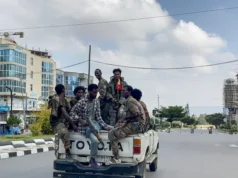
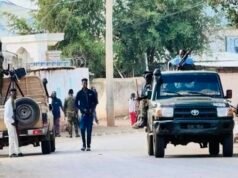
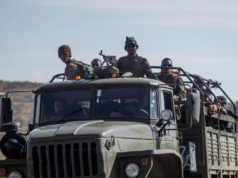
According to the reports, Borno State remains the epicentre of the crisis, where years of insurgency linked to armed groups have disrupted farming, displaced rural communities, and severely limited humanitarian access. Aid agencies say insecurity continues to prevent many farmers from accessing their land, further worsening food production and supply chains in affected regions.
The WFP says that although an estimated 6.2 million people across Borno, Adamawa, and Yobe states urgently require food assistance, current funding levels allow support for only a fraction of those in need. Humanitarian officials warn that resource gaps are forcing difficult choices on where and how aid is delivered.
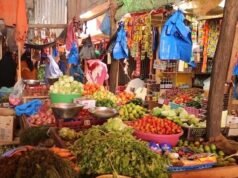
UN officials say the situation is being driven by a combination of factors, including ongoing armed conflict, climate-related shocks affecting agriculture, inflation, and rising food prices that have reduced purchasing power for millions of households. They also highlight that insecurity has expanded beyond traditional hotspots, affecting broader parts of northern Nigeria.
A WFP regional official for West and Central Africa has warned that the crisis is spreading geographically, with violence and displacement increasingly disrupting livelihoods in areas that were previously considered more stable. This, officials say, is accelerating the cycle of hunger and vulnerability.
Humanitarian agencies also caution that malnutrition rates are rising, particularly among children and displaced populations living in camps or informal settlements, where access to healthcare and nutrition services remains limited.
The United Nations has called for urgent international funding to prevent further deterioration, warning that without immediate support, millions could face worsening hunger levels in the coming months.
Analysts say the crisis reflects long-standing structural challenges in Nigeria’s conflict-affected northern regions, where insecurity, weak infrastructure, and climate stress have combined to undermine agricultural productivity and deepen humanitarian needs.
As Nigeria moves closer to its 2027 election cycle, observers note that food security and economic hardship are likely to remain central political issues, alongside ongoing debates over security and governance in affected regions.