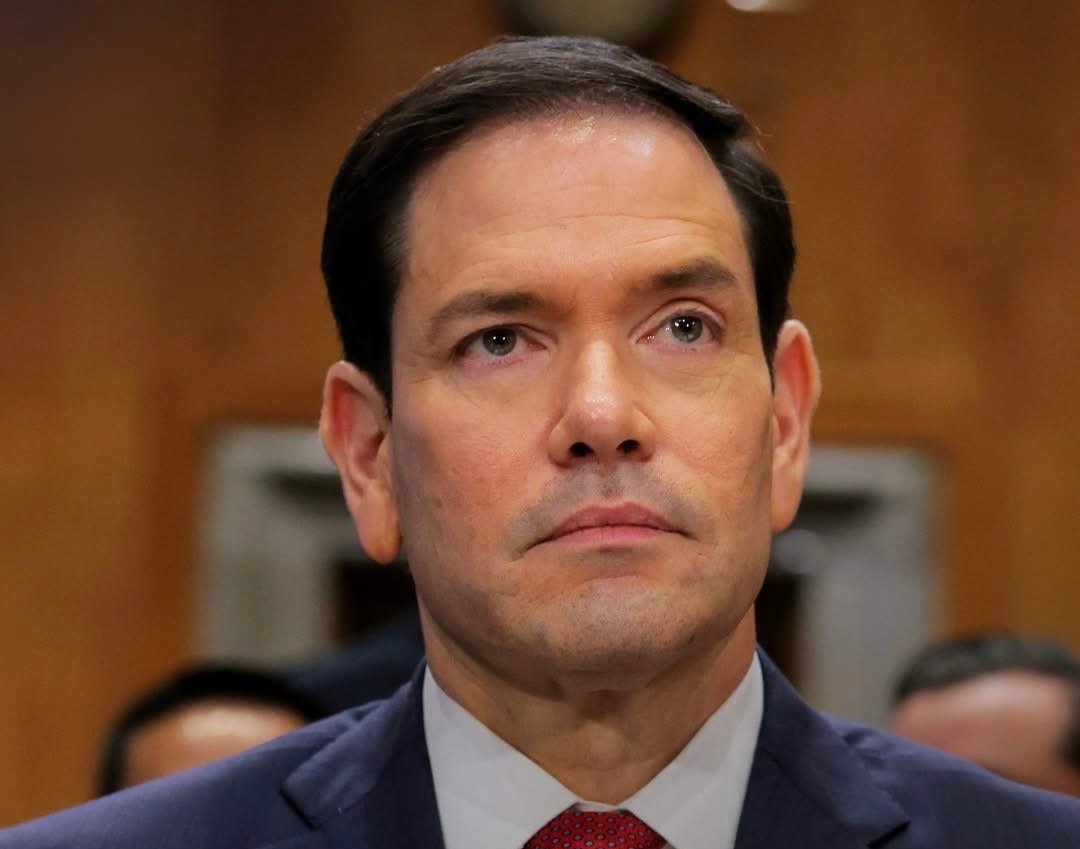
WASHINGTON — The United States has outlined new conditions for potential negotiations with Iran, with Secretary of State Marco Rubio insisting that Tehran guarantee the continued openness of the Strait of Hormuz and engage on its nuclear programme.
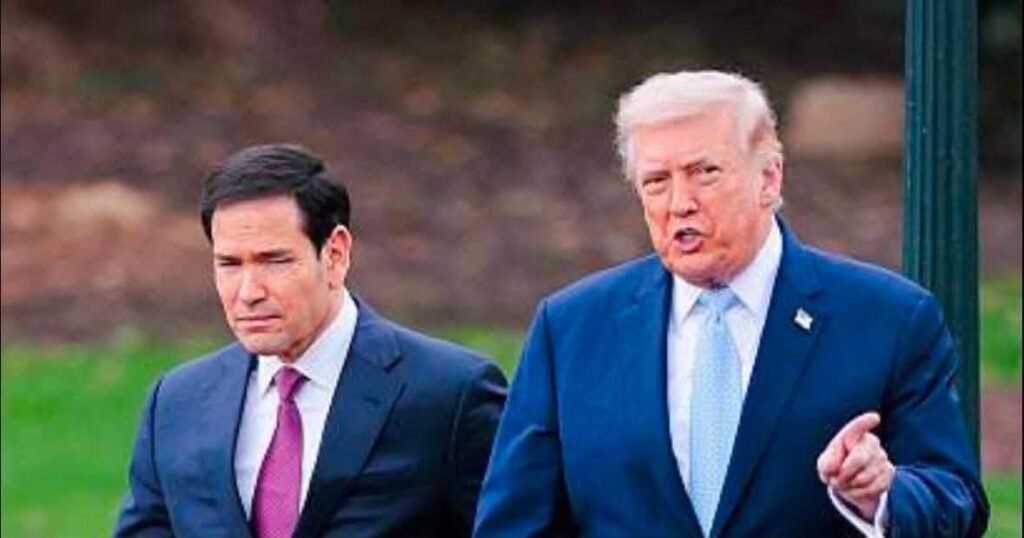
Rubio said Iran must “announce very clearly the Strait of Hormuz is now open,” framing freedom of navigation through the key waterway as a central requirement for any diplomatic process.
The Strait of Hormuz, a narrow maritime passage between Iran and Oman, is one of the world’s most strategically important shipping routes, with a significant share of global oil and gas exports passing through it. Any disruption in the area has historically raised global energy security concerns and triggered international diplomatic responses.
Rubio also said Iran must enter “specific negotiations” on the future of its highly enriched uranium stockpile, a long-standing issue in tensions between Tehran and Western governments over the country’s nuclear ambitions.
The US Secretary of State further stated that any relief from sanctions imposed on Iran would be conditional, suggesting that economic easing would depend on measurable commitments by Tehran.
“Any sanctions relief on Iran is based on conditions,” Rubio said, without specifying a timeline or framework for potential talks.
The comments come amid continued friction between Washington and Tehran over Iran’s nuclear activities, regional influence, and maritime security in the Gulf region. Previous diplomatic efforts, including attempts to revive elements of the 2015 nuclear agreement, have stalled in recent years.
Iranian officials have not yet issued a formal response to Rubio’s latest remarks, and no immediate comment was available from international mediators involved in past negotiations.
The latest US statement signals continued hardline positioning as tensions remain elevated across the Gulf, where naval activity and geopolitical rivalry have frequently raised concerns among global energy markets.