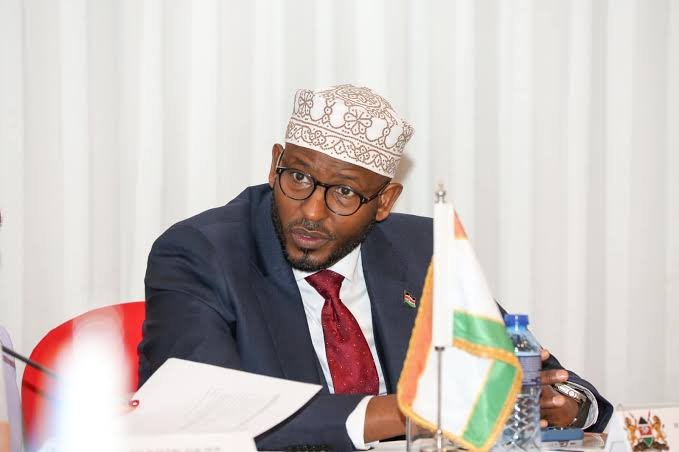
WAJIR — Wajir Governor Ahmed Abdullahi has pledged to place religious teachers working under the county government on permanent and pensionable terms before the end of his tenure, in a move aimed at improving their employment security, welfare and recognition.
The governor said religious educators have played a vital role in shaping communities through Madrasa and Duksi education, providing religious instruction, moral guidance and foundational learning to thousands of children across Wajir and other parts of northern Kenya.
“Before I leave office, our religious teachers will be on permanent and pensionable terms,” Governor Abdullahi said, reaffirming his administration’s commitment to ensuring that faith-based educators receive better working conditions and long-term employment protection.
The announcement follows President William Ruto’s Madaraka Day address in Wajir, where the president recognized the importance of Madrasa and Duksi institutions and pledged greater government support toward formally acknowledging their contribution to Kenya’s education system.
For many years, religious teachers in parts of Kenya have worked under temporary or informal arrangements, often facing challenges related to salaries, job stability and access to employment benefits. Advocates for reform have argued that improving their status would help strengthen the quality and sustainability of religious education.
Governor Abdullahi said providing more secure employment opportunities for religious teachers would not only improve their livelihoods but also benefit students, families and communities that depend on Madrasa and Duksi institutions for education and character development.
The pledge has renewed national discussion about the role of faith-based education in Kenya, particularly in regions where religious learning institutions operate alongside the formal education system and serve as important centers of community development.
Education stakeholders have welcomed efforts to recognize religious teachers, saying improved employment conditions could increase teacher motivation, strengthen accountability and enhance the quality of education provided to learners.
The commitment by the Wajir County government comes amid broader efforts by national and county authorities to expand access to education while finding ways to support different learning systems, including religious and community-based education programs.
If implemented, the policy would mark a significant step toward formally recognizing the contribution of religious teachers and integrating them more closely into Kenya’s public education support framework.