
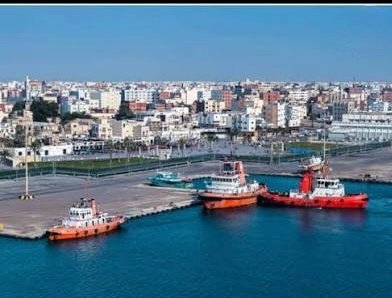
RIYADH — Saudi Arabia has begun implementing a new regional trade corridor aimed at accelerating the movement of goods between Africa and the Middle East while reducing reliance on the strategically sensitive Strait of Hormuz, according to officials and regional shipping analysts.
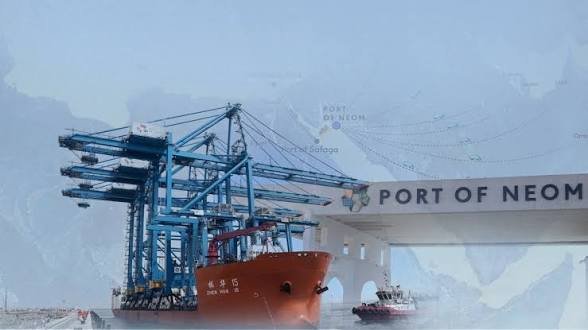
The initiative links a network of ports across the Red Sea and the Arabian Sea, forming part of Riyadh’s broader Vision 2030 strategy to position the kingdom as a leading global logistics and maritime hub.
Under the new arrangement, cargo traffic will move through key Saudi ports including King Fahd Industrial Port and Jeddah Islamic Port, before connecting with regional ports such as Port of Djibouti, Port of Salalah, Port of Ain Sokhna and Port of Aqaba.
Saudi authorities say the corridor is designed to improve supply chain efficiency and offer alternative maritime routes amid growing security concerns surrounding the Strait of Hormuz, one of the world’s most critical oil and shipping chokepoints. The waterway has repeatedly faced tensions linked to regional conflicts and attacks on commercial vessels.
Economists and maritime experts say the move reflects intensifying competition among Gulf states seeking dominance over regional shipping lanes, logistics infrastructure and transshipment services.
Analysts note that the Saudi initiative could directly affect the ambitions of United Arab Emirates, which has heavily invested in ports and maritime routes across the Red Sea and the Horn of Africa in recent years through companies such as DP World.
The development is also expected to increase competition among Red Sea ports, particularly between Port of Berbera and Port of Djibouti. Berbera port, which has undergone major expansion and modernization projects, is positioning itself as a regional commercial gateway serving the Horn of Africa and landlocked neighboring countries.
Regional observers say renewed investment in transport infrastructure, shipping terminals and free trade zones could follow as Gulf powers compete for influence over one of the world’s busiest maritime corridors linking Asia, Africa and Europe.
The Red Sea has become increasingly important to global trade in recent years, particularly following disruptions in international shipping routes caused by regional instability and attacks on vessels transiting through nearby waters.