MOGADISHU — The widespread online support for Somali international referee Omar Abdulkadir Artan has highlighted the growing influence of Somali users on social media platforms, in what analysts describe as a significant example of digital mobilisation.
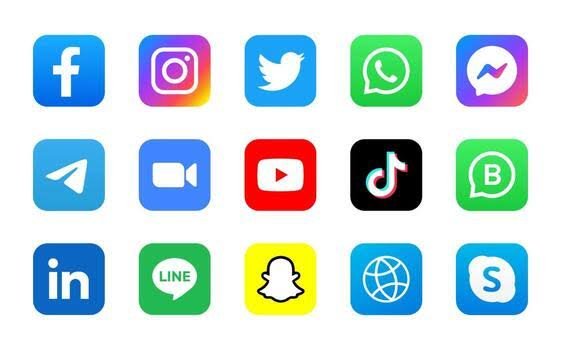
Within hours of controversy surrounding the official, his name trended across Facebook, X (formerly Twitter), TikTok and YouTube, as thousands of users across the Somali-speaking world voiced support and criticism of decisions involving his career.
The online campaign included video messages, opinion posts and coordinated calls defending the referee’s professionalism, reflecting what observers say is an increasingly connected Somali digital community.
Media analysts say the reaction demonstrates how quickly narratives can spread within Somali online spaces, often driven by emotional engagement and strong national sentiment.
They note that the speed and scale of the response show that Somali users possess a significant digital footprint that can influence wider public discourse beyond national borders.
However, experts also caution that such online momentum is often short-lived and rarely translates into structured advocacy or long-term engagement strategies.
“The reaction shows power, but also fragmentation,” one media researcher said, noting that digital campaigns in Somali online communities often lack coordination.
The case has reignited debate over how social media is reshaping public opinion among Somalis, particularly in matters involving identity, fairness and international representation.
Some commentators argue that the rapid mobilisation reflects a strong sense of solidarity, especially when individuals are perceived to face unfair treatment.
Others say the trend highlights a broader challenge in transforming online sentiment into organised civic or institutional influence.
Digital communication specialists say Somali online communities are among the most active in the Horn of Africa region, frequently engaging in political, social and sports-related discussions.
They add that this activity presents both opportunities and risks, depending on how effectively it is channelled.
According to analysts, structured digital engagement could help Somalis amplify issues related to governance, sports representation and international advocacy.
Without such structure, they warn, online energy may remain reactive rather than strategic.
The debate continues as Somali social media users increasingly shape narratives around public figures, international decisions and national identity issues.
No official statement has been issued by football governing bodies regarding the online reaction.