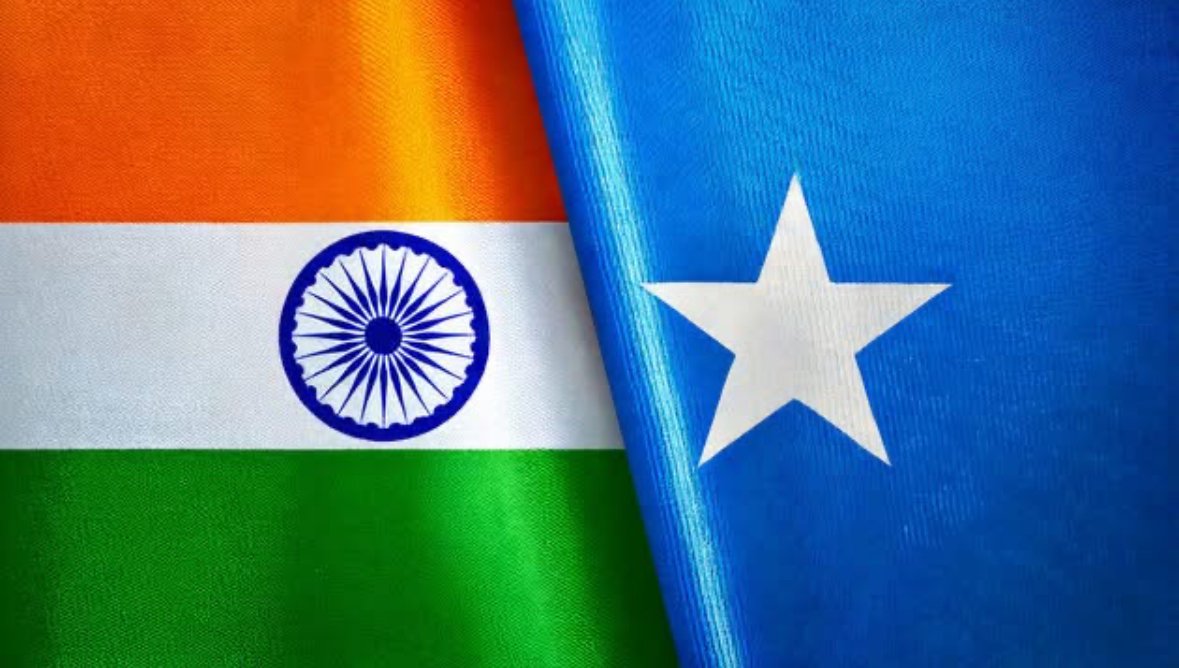
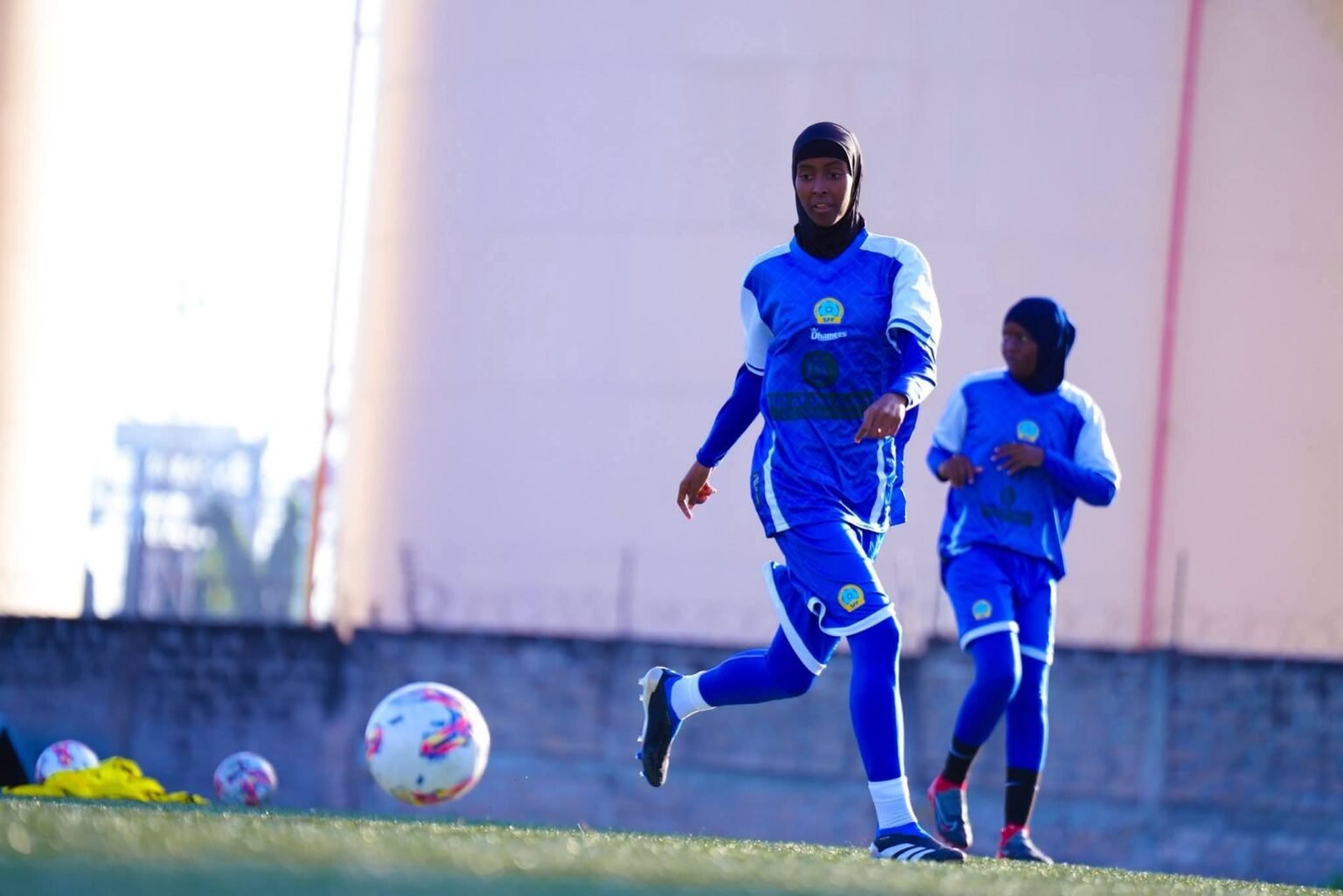
DAR es SALAM — Somalia’s Under-17 women’s national football team made history on Friday as they took to the field for their first-ever official international competition, marking a significant milestone for women’s football in the conflict-affected nation.
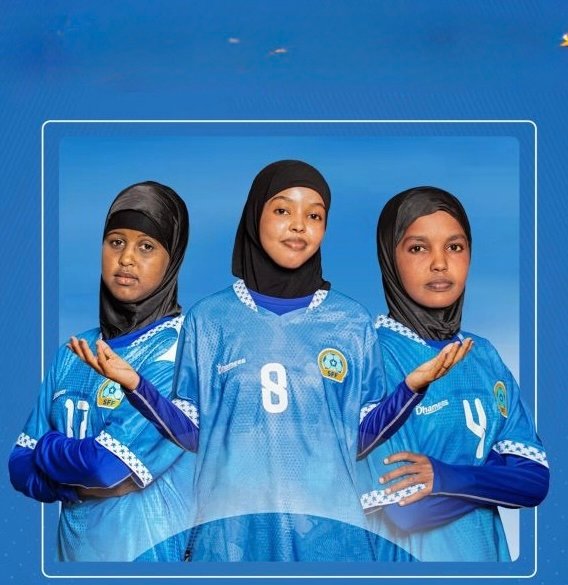
The “Ocean Stars” faced hosts Tanzania in the opening match of the CECAFA U-17 Women’s Championship in Dar es Salaam, a regional tournament bringing together East and Central African youth teams.
Despite a difficult sporting history and limited exposure to international women’s football, Somalia’s young squad entered the competition as part of growing efforts by national sports authorities to develop the women’s game and provide structured pathways for young female athletes.
The match against Tanzania, a regional powerhouse in women’s football, drew strong attention from local fans and regional observers, highlighting the growing visibility of youth women’s competitions in East Africa.
Somalia has been placed in Group A alongside Tanzania, Kenya, and Sudan — a challenging lineup that offers the Somali side a steep learning curve against more experienced opponents in the region.
Football officials in Somalia have described the team’s participation as a breakthrough moment, noting that it reflects years of gradual development in women’s sport, including grassroots initiatives and increased institutional support.
“This is not just about results, it is about experience and building the future of women’s football in Somalia,” one official familiar with the program said on condition of anonymity, as he was not authorized to speak publicly.
For the players, many of whom are experiencing international travel and competition for the first time, the tournament represents both a sporting challenge and a personal milestone. Coaches have emphasized discipline, exposure, and long-term development over immediate results.
Across Somalia, where football remains the most popular sport despite years of instability, the team’s participation has generated widespread interest on social media and among diaspora communities, with many expressing pride at seeing a women’s national team compete on a regional stage.
Analysts say Somalia’s entry into women’s youth football reflects a broader regional trend in East Africa, where investment in women’s sports has increased steadily, particularly in Kenya, Uganda, and Tanzania.
However, Somalia still faces major structural challenges, including limited training infrastructure, lack of professional women’s leagues, and minimal international match experience compared to its regional rivals.
Despite these obstacles, the CECAFA U-17 Women’s Championship offers a rare opportunity for the Somali squad to test themselves, gain experience, and begin closing the competitive gap.
While expectations remain modest, officials and supporters alike view the team’s participation as a symbolic victory — a first step in what they hope will become a sustained presence for Somalia in women’s international football.
For now, the Ocean Stars’ journey in Dar es Salaam is less about trophies and more about history in the making.