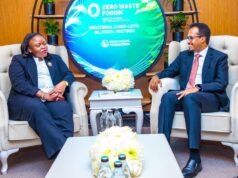
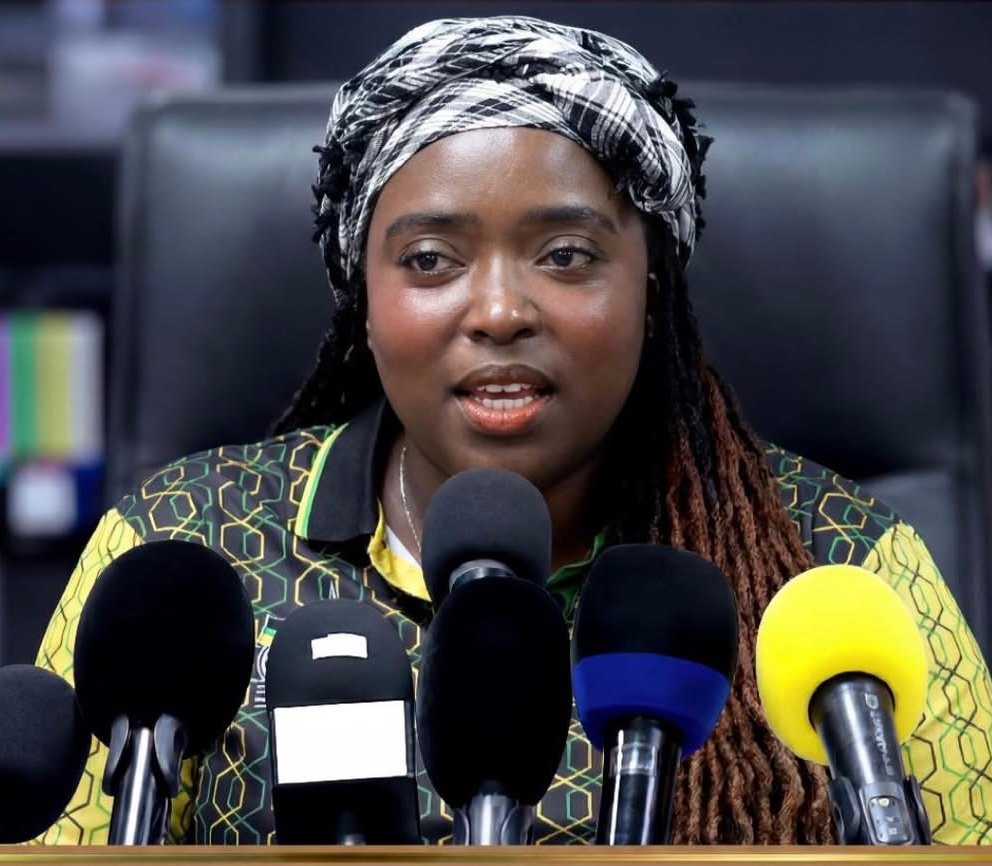
JOHANNESBURG — A renewed debate over immigration, xenophobia, and economic inequality has intensified in South Africa following remarks by Thuthukile Zuma, daughter of former President Jacob Zuma, who has called for a more compassionate approach toward African migrants.
Thuthukile Zuma said xenophobia cannot be justified under any circumstances, arguing that South Africa’s deep-rooted socio-economic challenges — including unemployment, poverty, and unequal land distribution — would remain unresolved even without the presence of foreign nationals.
Reiterating her stance, she said: “No African is illegal in Africa,” stressing that migrants should not be criminalised for lacking documentation and calling for greater Pan-African solidarity in addressing shared continental challenges.
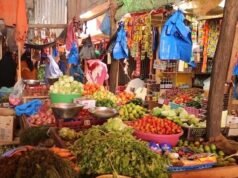
Her comments, widely circulated on social media, have sparked mixed reactions, with supporters praising her message as progressive and aligned with African unity, while critics argue that it overlooks growing tensions in townships and informal economic sectors where competition for jobs and trading space is high.
The debate has also highlighted political differences within the Zuma family. Jacob Zuma, leader of the uMkhonto we Sizwe (MK) Party, has in recent remarks raised concerns about foreign nationals occupying local business spaces, a position seen by analysts as appealing to nationalist sentiment amid South Africa’s economic pressures.
Political observers say the contrasting views reflect a broader national divide over immigration policy, where calls for inclusivity and African solidarity increasingly clash with public frustration over unemployment and service delivery challenges.
Despite criticism, Thuthukile Zuma maintained that addressing inequality and economic exclusion — rather than targeting migrants — is key to resolving South Africa’s social tensions.
Her remarks continue to fuel debate across political and civil society circles, underscoring the sensitivity of immigration issues in South Africa’s current political climate.