MOGADISHU — Somaliland’s growing engagement with Israel is facing criticism amid warnings that the move could trigger pushback from powerful regional blocs.
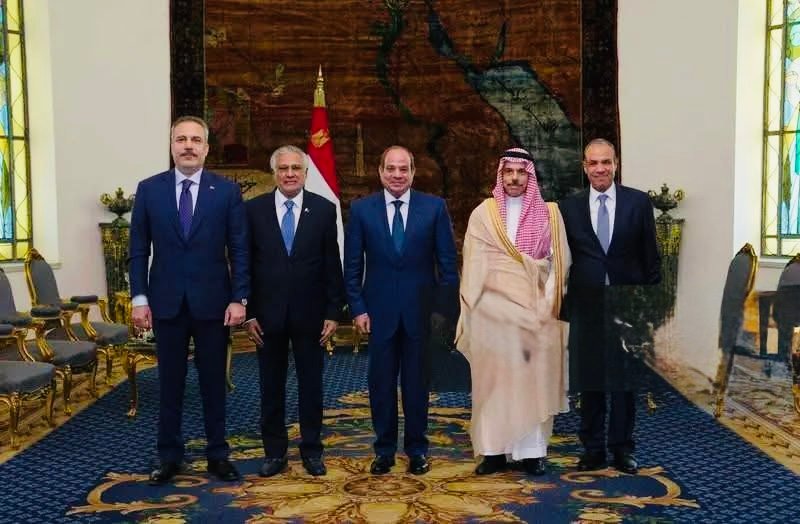
The first is the Sunni coalition, led by Turkey, Saudi Arabia, Egypt, and Pakistan—states that consistently support Somalia’s territorial integrity and are unlikely to endorse any diplomatic shift seen as encouraging secession or destabilising the Horn of Africa.
The second is Iran and its allied network, often described as the “Axis of Resistance,” which remains strongly opposed to Israeli influence across the Middle East and parts of Africa. Analysts say any Israeli strategic expansion in the region would likely face political and security resistance from this bloc.
Observers also argue that Israel, already engaged in multiple regional security crises, may have limited capacity to provide sustained political, economic, or security backing to Somaliland. This raises concerns about the durability of any emerging partnership.
Critics say Somaliland’s foreign policy direction under President Abdirahman Mohamed Abdullahi (Irro) could expose the administration to increased diplomatic pressure and regional isolation if broader international consensus is not secured.
In geopolitics, analysts warn, partnerships built without wide regional backing often carry long-term risks and unintended consequences.