JOHANNESBURG — South African President Cyril Ramaphosa has praised the largely peaceful conduct of anti-immigrant protests held across parts of the country on June 30, as tensions over migration, unemployment and public services continue to fuel debate in Africa’s most industrialized economy.
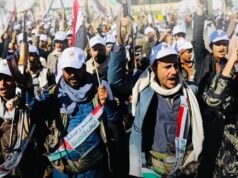
The demonstrations were organized by groups campaigning against what they describe as the growing presence of undocumented foreign nationals in South Africa. Protesters marched in several locations, calling on authorities to strengthen border controls, enforce immigration laws and accelerate the deportation of migrants residing in the country without legal status.
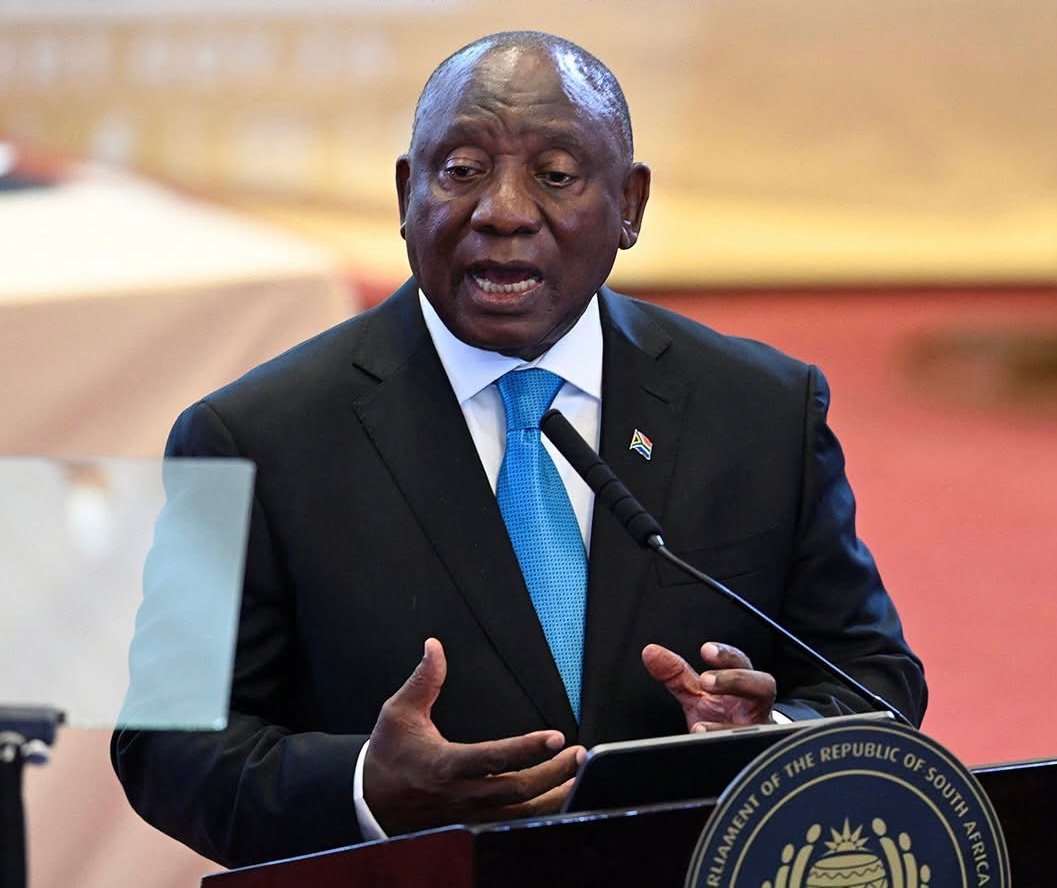
Speaking after the protests, Ramaphosa welcomed the fact that demonstrators exercised their constitutional right to protest without widespread violence or major disruptions.
“We acknowledge the right of citizens to express their concerns peacefully and within the framework of the law,” the president said, while emphasizing that South Africa remains committed to upholding human rights and the rule of law.
The protests come amid increasing public frustration over high unemployment, crime and pressure on public services, issues that some activists have linked to immigration. South Africa has one of the highest unemployment rates in the world, and migration has become an increasingly sensitive political issue ahead of future elections.
Human rights organizations and migrant advocacy groups have expressed concern that anti-immigrant rhetoric could lead to discrimination and violence against foreign nationals, many of whom have fled conflict, political instability or economic hardship in neighboring countries.
South Africa has experienced several outbreaks of xenophobic violence over the past two decades, resulting in deaths, injuries and the displacement of thousands of migrants. Authorities have repeatedly pledged to prevent a recurrence of such attacks.
Government officials have stressed that concerns about undocumented migration must be addressed through lawful processes and warned against targeting individuals based on their nationality.
South Africa hosts millions of migrants from across the African continent, including communities from Zimbabwe, Mozambique, Somalia, Ethiopia and the Democratic Republic of Congo. Many work in the informal sector, while others operate small businesses or seek asylum.
Analysts say the challenge for the government will be balancing public concerns over immigration with constitutional protections and international obligations toward refugees and asylum seekers.
The June 30 demonstrations ended without major incidents, according to authorities, though the debate over migration and national identity is expected to remain a prominent issue in South African politics in the months ahead.