LIBREVILLE — Gabon has announced a major policy shift aimed at reducing the export of raw materials and boosting domestic processing, in a move authorities say is intended to strengthen economic sovereignty and industrial capacity.
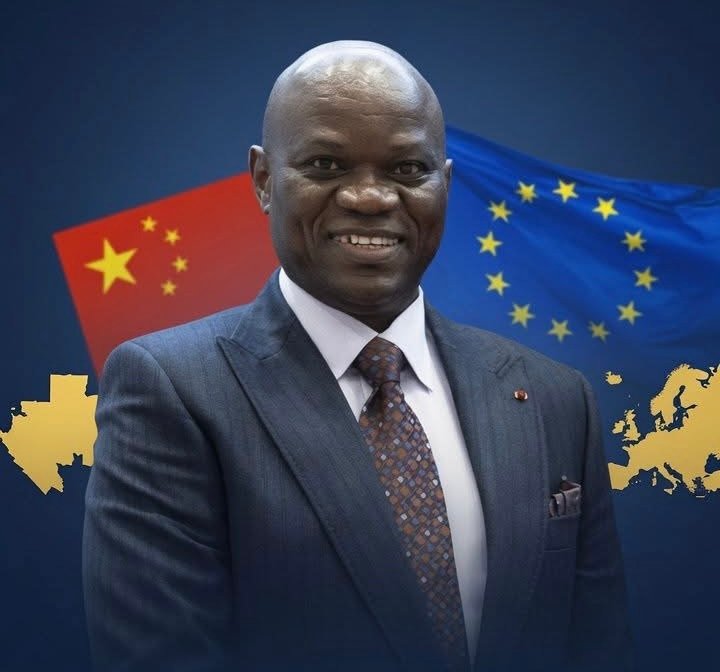
President Brice Oligui Nguema said the country cannot achieve full independence if it remains dependent on exporting unprocessed resources, arguing that economic control is as important as political sovereignty.
Under the new direction, Gabon plans to gradually reduce the export of key raw materials such as crude oil, timber, and minerals, while investing in local industries capable of processing these resources into finished goods.
The strategy includes developing domestic refining capacity for petroleum products, expanding wood-processing industries to produce furniture and higher-value exports, and encouraging local manufacturing to retain more value within the national economy.
Officials say the policy is designed to break what they describe as a long-standing cycle in which raw materials are exported cheaply, processed abroad, and then re-imported at higher prices, limiting job creation and industrial growth within Gabon.
Supporters of the initiative argue it could create employment, diversify the economy, and reduce dependence on global commodity markets, particularly in Europe and Asia, which have historically been major buyers of Gabon’s resources.
However, economists caution that the transition will require substantial investment in infrastructure, energy supply, technical skills, and industrial financing, and may take years before delivering measurable economic returns.
Analysts also note that similar resource-nationalization strategies in other African countries have faced challenges related to funding gaps, market access, and industrial competitiveness.
The government has not yet published a detailed implementation timeline, but says the reforms will be rolled out in phases as part of a broader economic transformation agenda.