KINSHASA — The death toll in the ongoing Ebola outbreak in the Democratic Republic of Congo has surpassed 400, health authorities confirmed, as infections continue to rise across several provinces in the country’s volatile east.
The National Institute of Public Health reported at least 438 fatalities and more than 1,400 confirmed infections since the outbreak was declared in mid-May in the northeastern province of Ituri. Officials said the figures are still evolving as surveillance teams expand testing and uncover additional cases in hard-to-reach communities.
Health authorities said the outbreak remains concentrated in eastern provinces including Ituri, North Kivu, and South Kivu, where insecurity, armed group activity, and large-scale population displacement are complicating containment efforts. Medical responders have faced repeated access challenges, with some affected areas remaining difficult to reach due to ongoing violence and poor infrastructure.
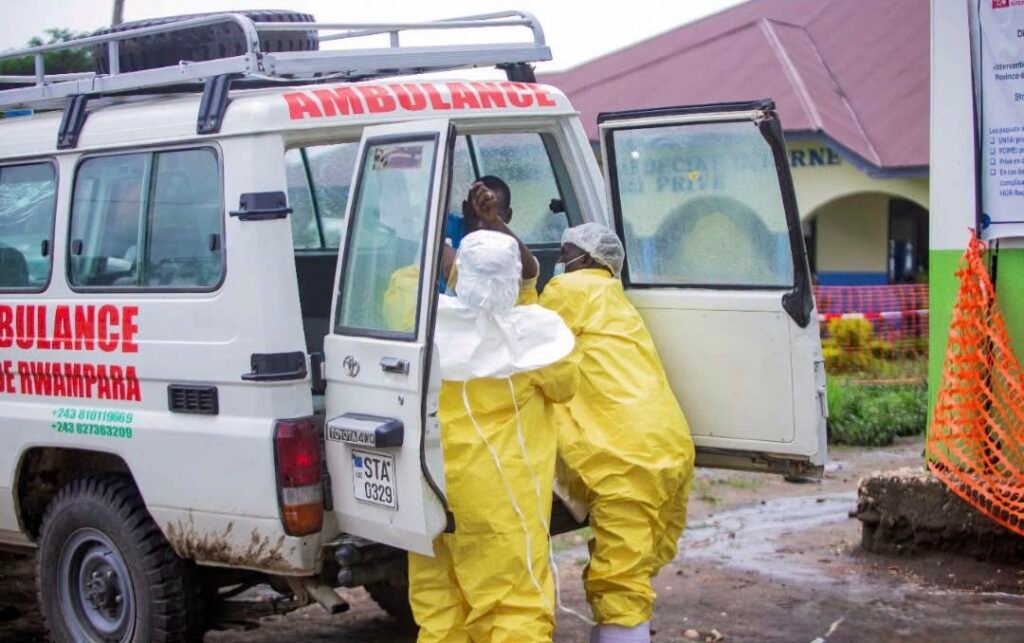
Officials say intensified contact tracing and wider laboratory testing have revealed a broader spread than initially estimated, suggesting earlier figures may have significantly underreported transmission levels. Treatment centres have been expanded, and isolation units strengthened in an effort to manage rising patient numbers and reduce further spread.
International partners, including the World Health Organization, are supporting the response through vaccination campaigns targeting high-risk contacts, deployment of emergency medical teams, and logistical assistance for surveillance operations. However, aid workers warn that insecurity continues to slow response times in remote and conflict-affected areas.
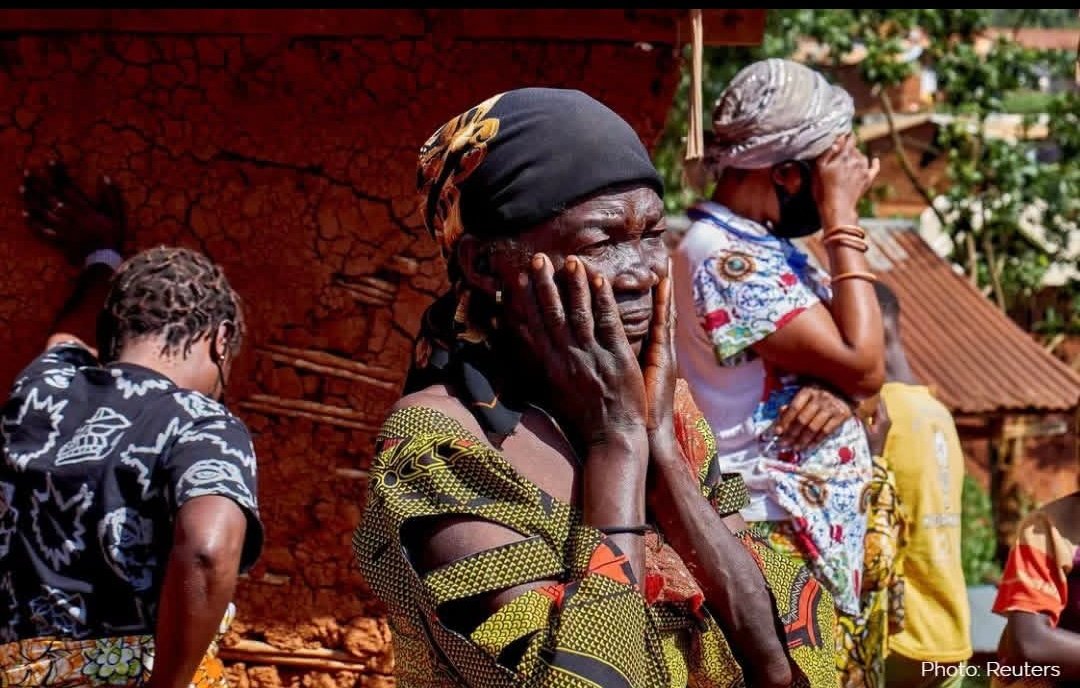
Humanitarian agencies say the outbreak is placing additional pressure on an already fragile health system in eastern Congo, where hospitals face shortages of medical staff, equipment, protective gear, and essential medicines. The movement of displaced populations between villages and mining areas is also raising concerns about hidden transmission chains.
The World Health Organization has repeatedly warned that Ebola outbreaks in conflict zones are among the most difficult to contain, as insecurity limits access for health workers and reduces community trust in response operations.
Authorities say the immediate priority remains to interrupt transmission through rapid case detection, safe burial practices, expanded vaccination of contacts, and strengthened community engagement to address misinformation and resistance in some areas.
The outbreak is now considered one of the most severe Ebola episodes in recent years in the region, raising broader concerns about epidemic preparedness, regional health security, and the capacity to respond effectively in unstable environments.