ADDIS ABABA — The evolving relationship between Ethiopia and Somaliland reflects a convergence of strategic necessity and pragmatic diplomacy, with both sides seeking to advance long-term interests amid shifting geopolitics in the Horn of Africa and the wider Red Sea region, according to an op-ed analysis.
The authors argue that Ethiopia’s pursuit of reliable maritime access intersects with Somaliland’s efforts to strengthen its international standing and bargaining power, even as formal recognition remains off the table. They write that “the prospect of Ethiopia securing maritime access through Somaliland highlights the intersection of Addis Ababa’s structural need for a maritime outlet and Hargeisa’s ambition to strengthen its legitimacy and bargaining power — without pressing for immediate formal recognition.”
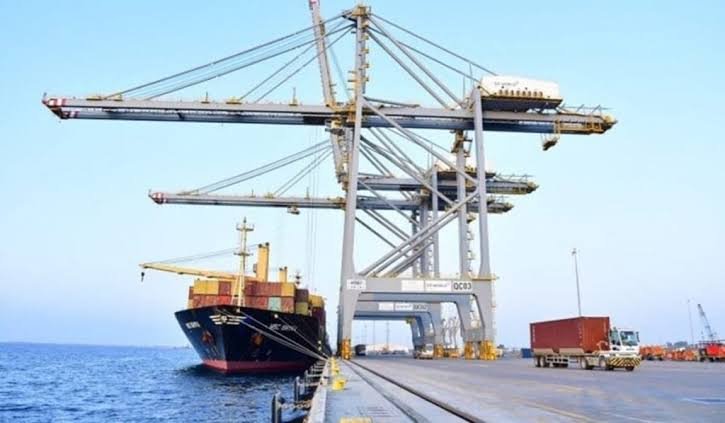
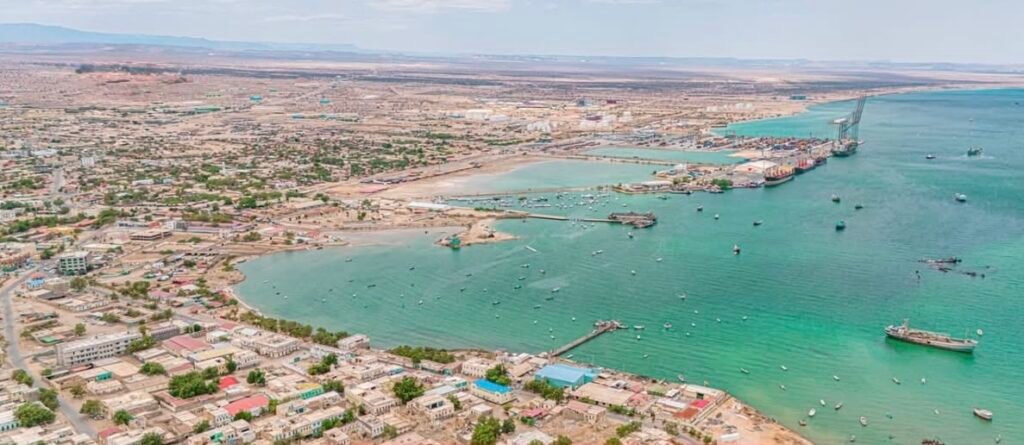
The analysis highlights the increasing strategic importance of the Red Sea corridor, noting that it has elevated Somaliland’s geopolitical relevance, particularly through the Port of Berbera, which is increasingly viewed as a viable trade and logistics hub for landlocked Ethiopia.
However, the authors caution that despite growing cooperation, significant political and legal constraints remain. These include Somaliland’s lack of international recognition, the firm rejection of any secession-linked arrangements by Somalia’s federal government in Mogadishu, and broader regional sensitivities shaped by the Ankara Declaration and competing interests in the Horn of Africa.
They also point to the fragile balance of regional diplomacy, where external actors and neighbouring states are closely monitoring any developments that could alter sovereignty norms or maritime access arrangements in the Red Sea basin.
According to the op-ed, the most plausible trajectory is a gradual deepening of economic, trade, and logistical cooperation between Ethiopia and Somaliland, particularly in infrastructure, port usage, and transport corridors, rather than any immediate move toward sovereign agreements or formal diplomatic recognition.
More ambitious outcomes, the authors argue, would likely depend on major geopolitical shifts in the region, including changes in regional alignments, international mediation frameworks, and the broader balance of power in the Horn of Africa.