ABIDJAN — At least 59 people have been killed in widespread flooding across Côte d’Ivoire since mid-May, as unusually heavy seasonal rains continue to overwhelm infrastructure, destroy homes and disrupt daily life in several regions, government officials said.
Government spokesman Amadou Coulibaly said the deaths were recorded after weeks of intense rainfall that triggered flash floods, urban inundation and landslides, particularly in Abidjan, the country’s economic hub. He said rescue and assessment operations were still ongoing, warning that the final toll could rise as teams reach previously inaccessible areas.
Authorities said the rainy season this year has been “particularly heavy,” with rainfall levels exceeding long-term averages in multiple regions. Drainage systems in major cities, especially Abidjan, have been unable to cope with the volume of water, leading to widespread flooding of roads, residential areas and commercial districts.
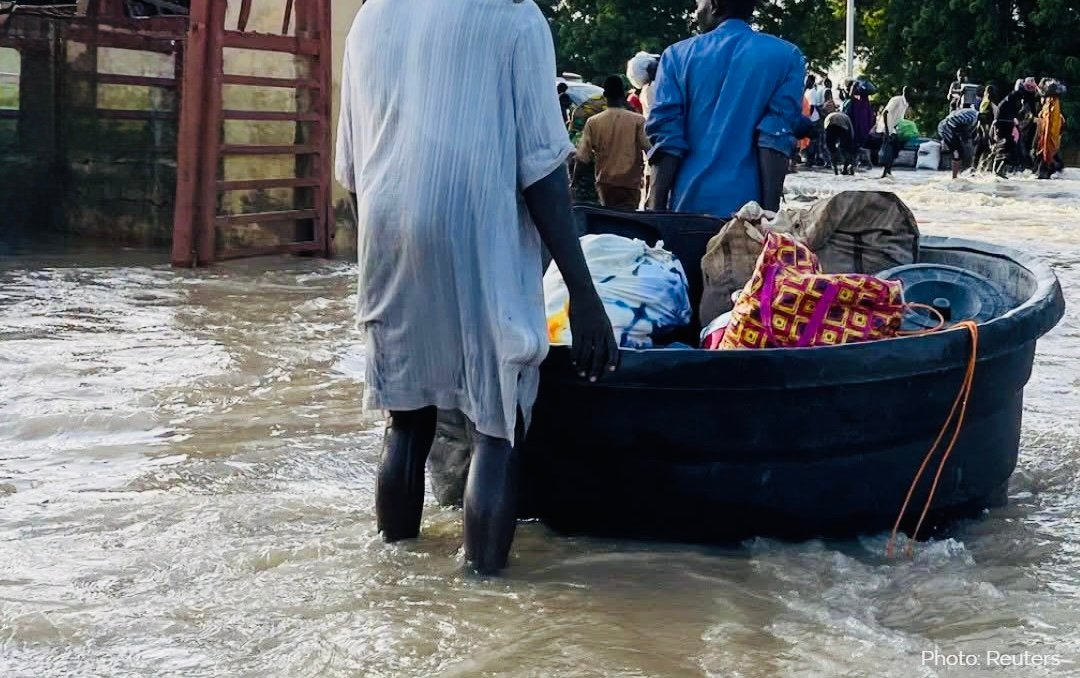
In Abidjan, floodwaters submerged entire neighbourhoods, forcing residents to evacuate homes with little warning. Emergency services reported collapsed structures in some low-income settlements, where unstable housing and poor drainage have increased vulnerability. In several districts, residents were seen wading through waist-deep water as vehicles were stranded and major roads became impassable.
Officials said many of the fatalities occurred in informal settlements built in flood-prone areas such as wetlands and riverbanks, where rapid urban expansion has outpaced city planning. Landslides caused by saturated soil were also reported in hilly areas around the capital, further complicating rescue efforts.
The government has deployed emergency response teams, including civil protection units and military engineers, to assist with evacuations, clear blocked drainage channels, and restore access routes. Temporary shelters have been set up in schools and public buildings to accommodate displaced families, while humanitarian agencies are distributing food, water, and basic supplies.
Meteorological services have warned that additional heavy rainfall is expected in the coming days, raising fears of further flooding and potential increases in casualties. Authorities have urged residents in high-risk zones to relocate temporarily and avoid crossing flooded roads, rivers, or drainage channels.
Beyond Abidjan, flooding has also affected several inland regions and coastal communities, damaging farmland and raising concerns about food security in affected areas. Local authorities say infrastructure damage, including collapsed bridges and eroded roads, is slowing the delivery of aid.
Neighbouring Ghana and other parts of coastal West Africa have also experienced severe flooding linked to the same seasonal weather system, highlighting what experts describe as an increasingly volatile and intense rainy season across the region.
Climate and disaster management experts say extreme rainfall events in West Africa are becoming more frequent and severe, driven by climate change and compounded by rapid urbanisation, weak drainage systems and settlement expansion into high-risk areas. They warn that without long-term investment in urban planning and flood control infrastructure, such disasters are likely to become more destructive in coming years.
The rainy season in Côte d’Ivoire typically lasts until late July, meaning authorities remain on high alert for further flooding as conditions continue to evolve.