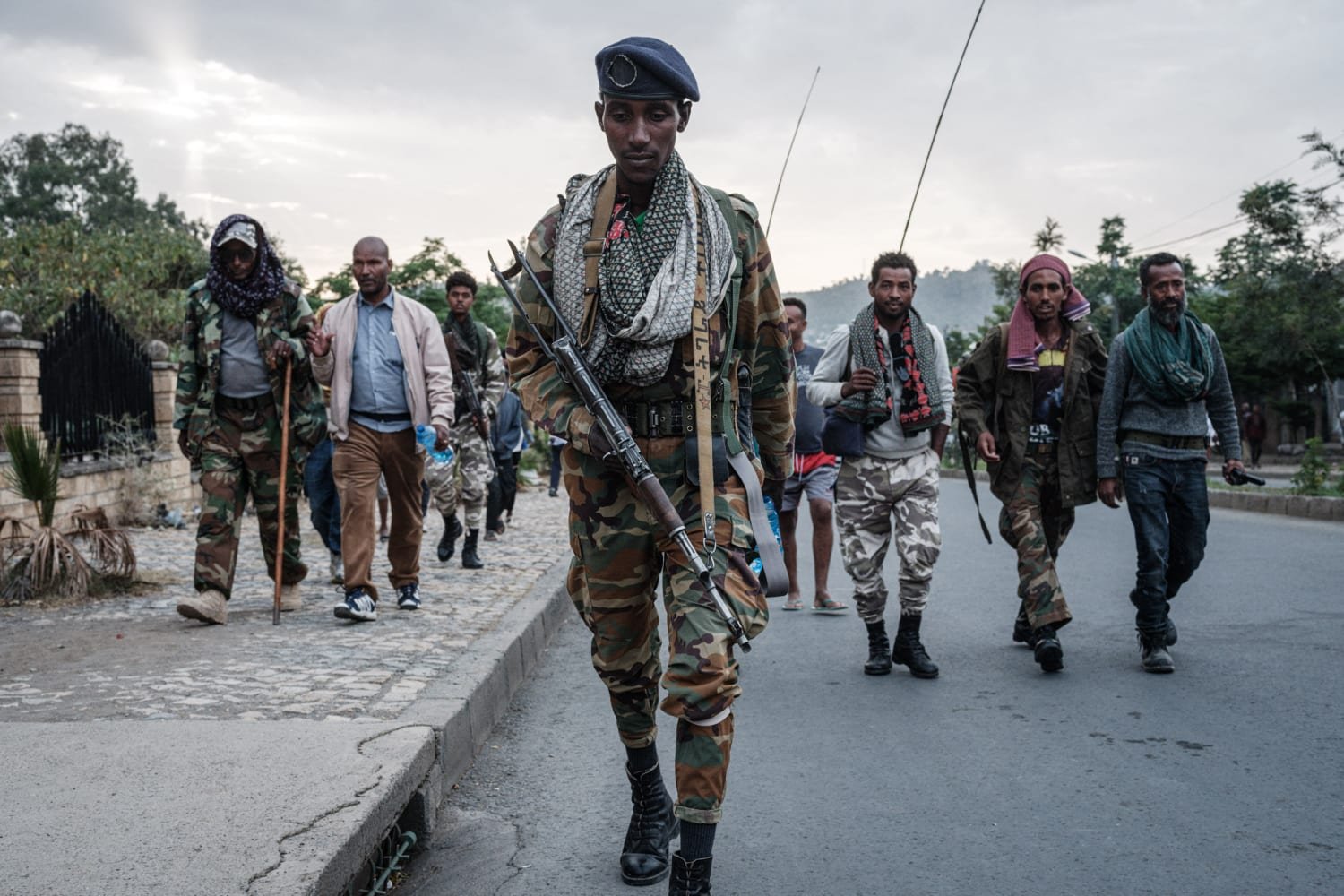
ADDIS ABABA – Ethiopia’s Tigray regional administration has announced that it will not participate in the country’s National Dialogue process, arguing that the region and its people have no meaningful representation in what it described as an “isolated and unacceptable” initiative.
In a statement, the Tigray administration, led by the Tigray People’s Liberation Front (TPLF), accused the federal government of Prime Minister Abiy Ahmed of failing to fully implement key elements of the 2022 Pretoria Peace Agreement, which ended the devastating two-year war between federal forces and Tigrayan forces.
The regional authorities said they had expected the peace deal to lead to the restoration of disputed territories, the return of internally displaced people, the withdrawal of forces from outside Tigray, and the beginning of comprehensive post-war reconstruction. However, they claimed that many of these commitments remain unresolved, leaving the region facing political uncertainty, humanitarian challenges, and security concerns.
Tigray officials also questioned the legitimacy of the National Dialogue Commission, saying that neither the regional government nor the people of Tigray were adequately included in the process. They argued that individuals from the Tigray community participating in consultations do not represent the region’s interests, claiming that some are aligned with Ethiopia’s ruling Prosperity Party.
The decision represents another challenge for Ethiopia’s efforts to conduct an inclusive national dialogue aimed at addressing long-standing political disputes, ethnic tensions, and governance challenges.
Established in 2021, the National Dialogue Commission was created to provide a platform for political groups and communities to discuss major national issues and seek solutions to Ethiopia’s internal divisions. However, the process has faced criticism from several opposition groups and political actors who have questioned its independence and inclusiveness.
Dialogue efforts in Tigray have remained stalled due to disagreements over security arrangements, political representation, territorial disputes, and unresolved issues linked to the civil war. The commission has previously acknowledged difficulties in conducting consultations in the region and has received extensions from Ethiopia’s parliament to complete its work.
Tigray’s withdrawal raises further concerns about whether the National Dialogue process can achieve broad national acceptance without the participation of one of Ethiopia’s most influential regions.
The dispute comes as Ethiopia continues efforts to stabilize areas affected by conflict while addressing political disagreements between the federal government, regional administrations, and opposition movements.