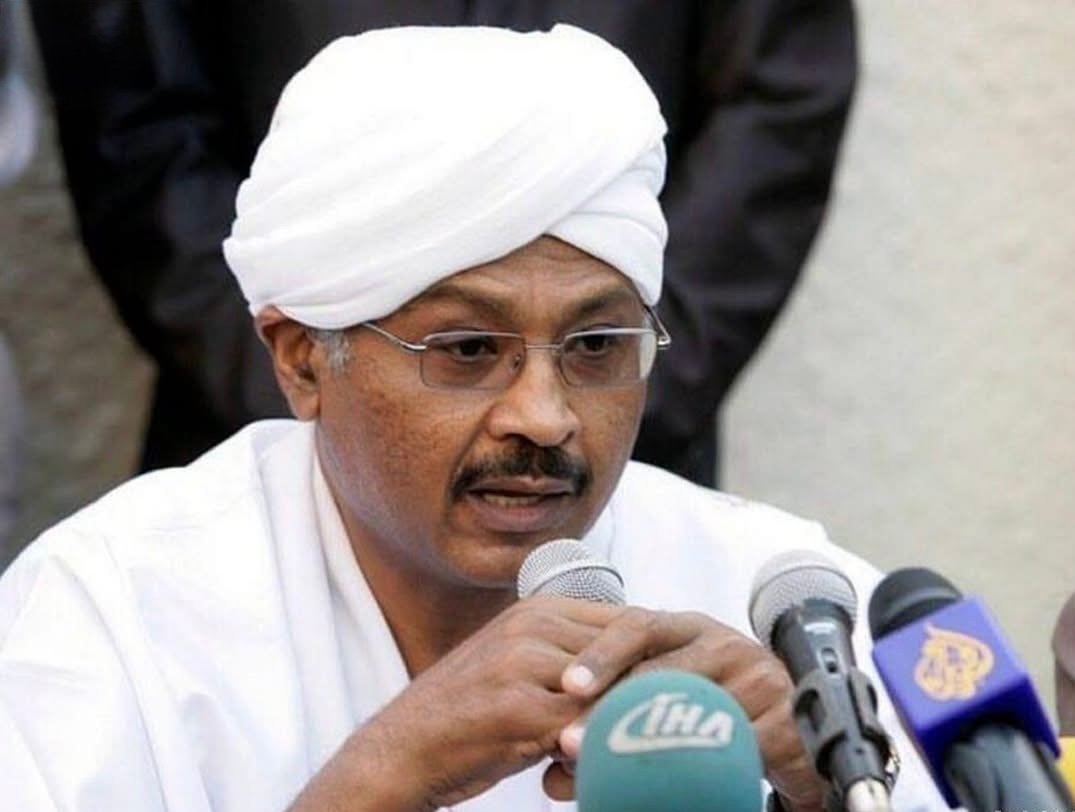
KHARTOUM – Sudanese Umma Party leader Mubarak al-Fadil has expressed support for a U.S.-backed proposal calling for a 90-day humanitarian truce in Sudan, describing the initiative as a necessary first step toward ending the country’s ongoing conflict and creating conditions for political dialogue.
Al-Fadil said the proposed ceasefire could provide urgently needed relief to millions of Sudanese civilians affected by the war, allowing humanitarian organizations to deliver food, medicine, and other essential assistance to communities facing severe shortages.
The proposal comes as Sudan continues to experience one of the world’s most devastating conflicts, with fighting between the Sudanese Armed Forces (SAF) and the Rapid Support Forces (RSF) causing widespread destruction, displacement, and a growing humanitarian crisis.
The Umma Party leader argued that a temporary truce should not be viewed as an end goal but rather as a pathway toward a broader political process aimed at restoring stability and rebuilding state institutions.
According to Al-Fadil, the humanitarian pause could help create an environment for negotiations between Sudanese political and military actors, with the goal of reaching a comprehensive settlement that ends the conflict permanently.
The United States has been involved in diplomatic efforts aimed at reducing violence in Sudan and encouraging humanitarian access. International mediators have repeatedly called on the warring sides to agree to ceasefires and engage in talks to resolve their differences through political means.
The war, which began in April 2023, has led to tens of thousands of deaths, displaced millions of people inside Sudan and across neighboring countries, and created one of the largest humanitarian emergencies in the world.
While some political figures have welcomed calls for a ceasefire, previous attempts at temporary truces have faced challenges, with both sides repeatedly accused of violating agreements.
Al-Fadil’s support adds to growing pressure on Sudan’s military and political leaders to prioritize humanitarian relief and seek a negotiated solution to the conflict.