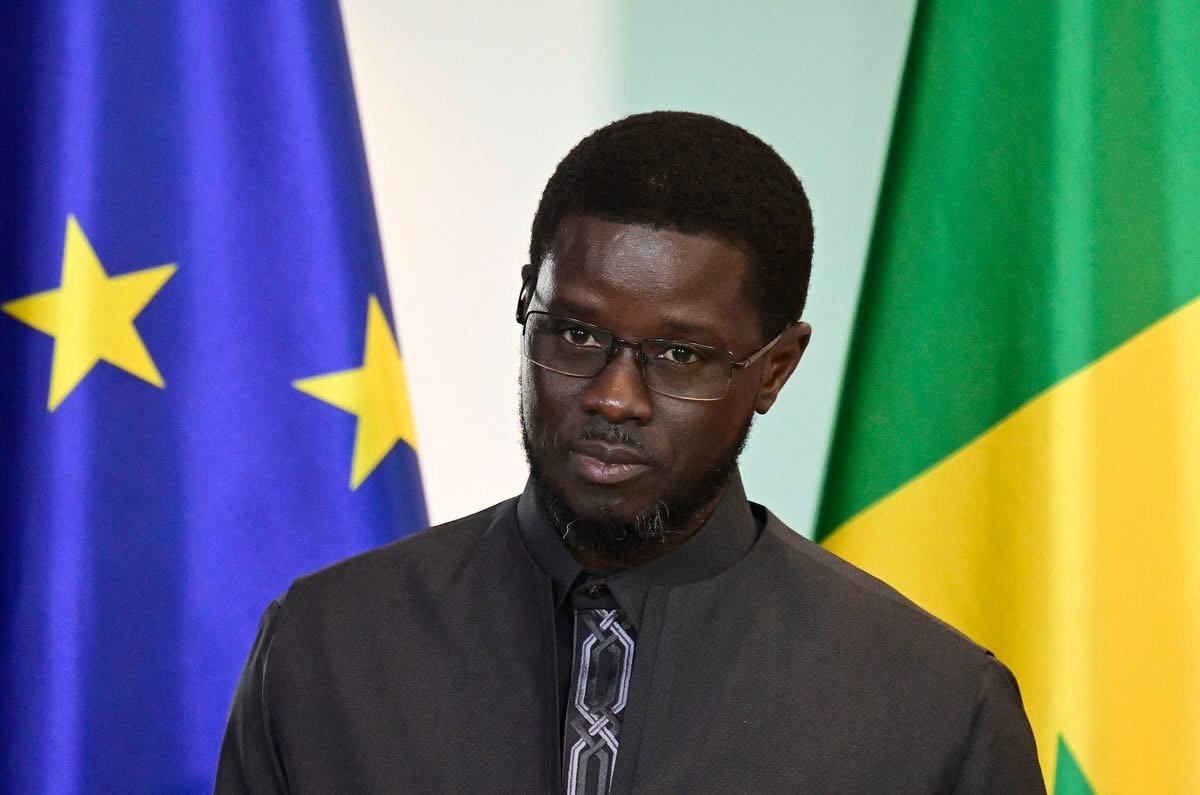
FREETOWN – Senegal’s President Bassirou Diomaye Faye has been elected chairperson of the Economic Community of West African States (ECOWAS), placing him at the center of efforts to address political, security, and economic challenges facing the region.
Faye was chosen by West African leaders during the ECOWAS summit in Sierra Leone, taking over the rotating leadership of the 15-member regional bloc at a time of deep divisions and uncertainty in West Africa.
His appointment comes as ECOWAS faces multiple challenges, including military-led governments in parts of the Sahel, rising extremist violence, economic pressures, and strained relations with countries that have withdrawn from the organization, including Mali, Burkina Faso, and Niger.
The Senegalese president, who came to power in 2024 after a historic election victory, has promoted a message of political reform, national sovereignty, and stronger African cooperation. His leadership style has attracted attention across the continent as a new generation of African leaders seeks greater independence in decision-making.
As ECOWAS chairperson, Faye is expected to prioritize restoring dialogue between member states, strengthening regional security cooperation, and promoting economic integration through trade and investment.
One of the major tests of his leadership will be rebuilding trust within the bloc after disagreements over sanctions, military interventions, and the future direction of regional governance.
Security remains a key concern, particularly in the Sahel, where armed groups continue to threaten communities and weaken state institutions. ECOWAS leaders are under pressure to develop more effective regional strategies to address terrorism and instability.
Faye’s presidency of ECOWAS also comes at a time when West African countries are seeking stronger cooperation on food security, energy, infrastructure, and economic development.
Analysts say his leadership could provide an opportunity for ECOWAS to reform its approach, strengthen unity among members, and restore confidence in the regional organization.
The Senegalese leader now faces the challenge of balancing national priorities with the wider responsibility of guiding West Africa toward greater stability and cooperation.