
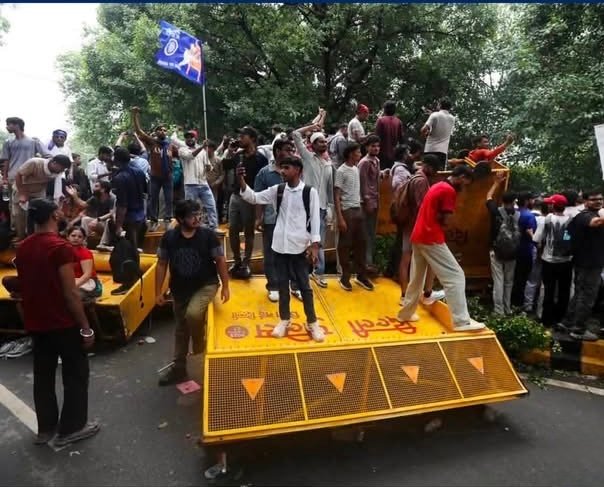
NEW DELHI — A youth-led protest movement that began with anger over India’s competitive examination system has grown into a wider campaign against unemployment, corruption and demands for major education reforms.
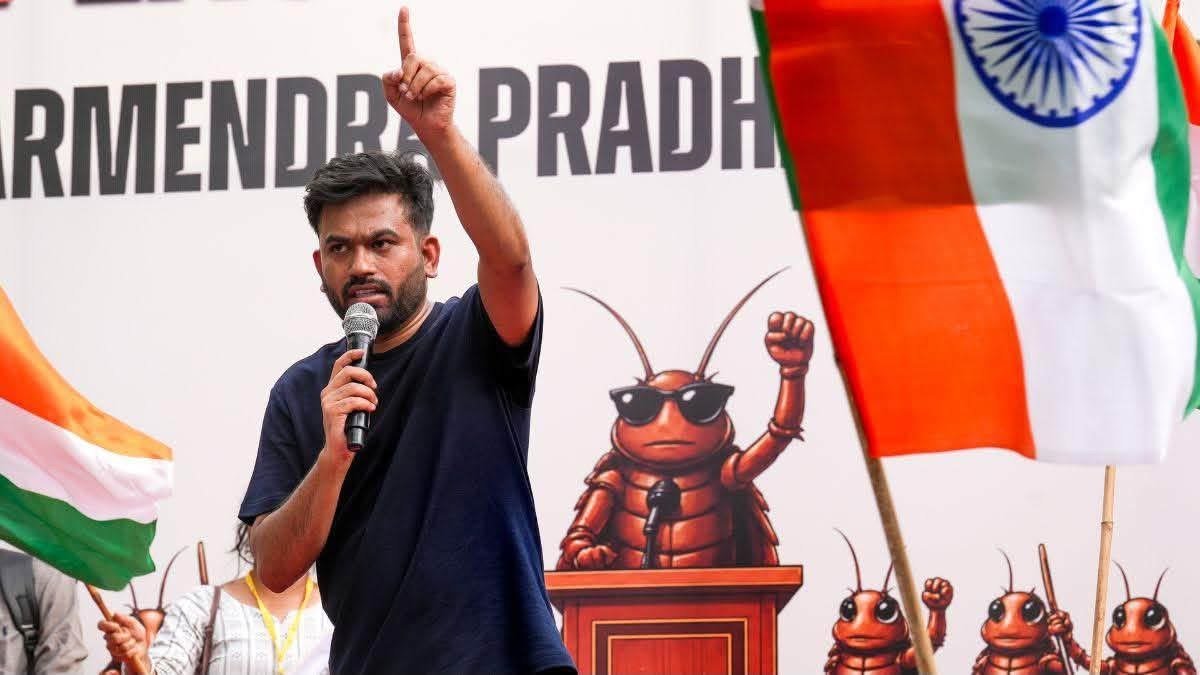
The movement was launched by young activist Abhijeet Dipke, who used social media platforms to highlight complaints about alleged irregularities in India’s examination process. He accused the system of creating unfair advantages for wealthy students while making it harder for young people from poorer backgrounds to succeed.
Dipke’s campaign quickly attracted support from thousands of young Indians, many of whom said they had experienced frustration over delayed exams, alleged leaks and concerns about transparency in recruitment processes.
The movement gained further attention after a controversial remark allegedly comparing protesting youths to “cockroaches” sparked outrage among supporters. Instead of weakening the campaign, activists adopted the term as a symbol of resistance and created the name “Cockroach People’s Party” (CJP).
The group has since expanded its demands beyond examinations, calling for:
- An end to corruption in education and recruitment.
- More employment opportunities for young people.
- Accountability from government officials.
- Reforms to India’s education system.
- The resignation of Education Minister Dharmendra Pradhan over allegations of mishandling examination issues.
Large demonstrations have been reported in several areas, with young protesters gathering near government institutions and demanding action from authorities. The protests have become one of the latest expressions of growing frustration among India’s youth over limited job opportunities and concerns about fairness in public systems.
India’s opposition parties have supported the protesters, using the issue to criticize Prime Minister Narendra Modi’s government and demand stronger action. Modi’s administration has promised tougher measures to prevent examination fraud and improve transparency.
However, tensions have continued as other groups, including farmers, have joined broader protests over economic policies, taxation and concerns about corporate influence in agriculture.
The youth movement has also gained major attention online, where supporters have built a large social media presence. Organizers say their campaign is no longer only about examinations but reflects wider public concerns about jobs, corruption and government accountability.
What started as a digital complaint by one young activist has now developed into a national debate over the future of India’s young population and the effectiveness of its institutions.