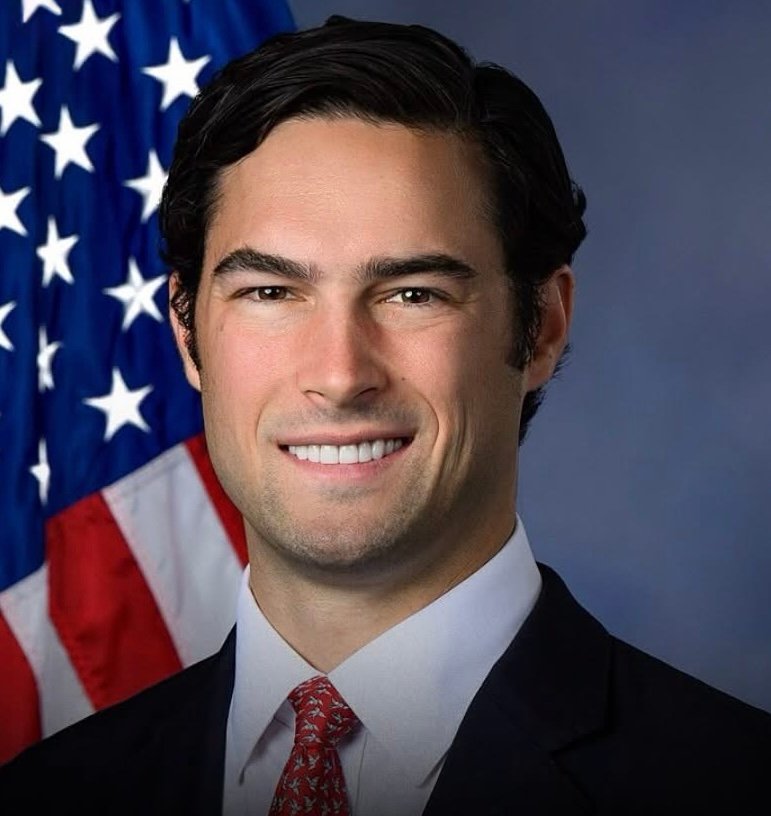
MINNESOTA — A heated debate has emerged in the United States over immigration, integration, and public assistance after Republican Congressman Brandon Gill questioned whether long-term immigrant communities are achieving economic independence.
Gill said immigration policies should be measured by whether newcomers are able to integrate, secure employment, and become self-reliant rather than depending on government support. He called for greater accountability and a review of how immigration and welfare systems affect taxpayers.
The comments have sparked both support and criticism. Supporters argue that policymakers should ensure immigration programs encourage employment, education, and civic participation, while critics say broad claims about immigrant communities can create unfair perceptions and ignore complex challenges.
Analysts and community leaders point to factors such as refugee experiences, language barriers, education access, and employment opportunities as important issues when examining economic outcomes among immigrant populations.
Minnesota’s Somali-American community, one of the largest Somali diaspora communities in the United States, has become a central part of the wider immigration debate. Community leaders highlight contributions in business, healthcare, politics, and local services, while acknowledging that some families continue to face challenges during the integration process.
The controversy reflects a broader U.S. national debate over immigration policy, welfare programs, taxpayer responsibilities, and how to balance humanitarian commitments with expectations of economic independence.