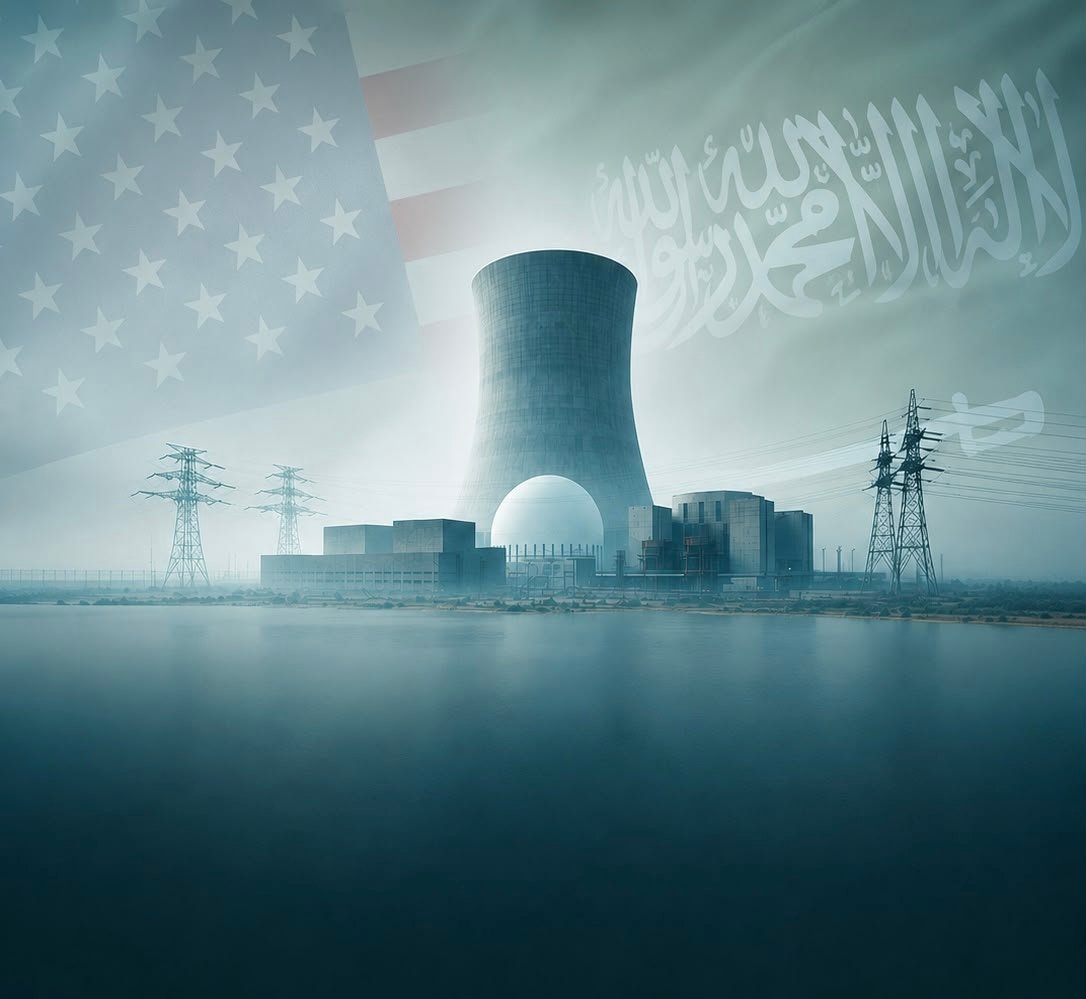
WASHINGTON — The United States and Saudi Arabia have signed a landmark agreement on civilian nuclear cooperation, opening the way for expanded collaboration on peaceful nuclear energy while strengthening measures to prevent nuclear proliferation.
Known as the “123 Agreement,” the deal establishes a legal framework for long-term cooperation in nuclear technology, investment and energy development. It was signed by U.S. Energy Secretary Chris Wright and Saudi Energy Minister Prince Abdulaziz bin Salman.
The agreement, named after Section 123 of the U.S. Atomic Energy Act of 1954, allows Washington to share civilian nuclear technology, equipment and expertise with Saudi Arabia under strict non-proliferation requirements. The framework is intended to ensure nuclear technology is used only for peaceful purposes, including electricity generation.
Saudi Arabia is expected to use the partnership to advance its civilian nuclear energy ambitions and diversify its energy sector through access to advanced U.S. technology. The agreement includes safeguards designed to prevent nuclear materials or technology from being used for military purposes.
Washington said the partnership could create billions of dollars in economic opportunities for U.S. companies, strengthen America’s civilian nuclear industry and support thousands of jobs.
The agreement has also drawn political attention, with President Donald Trump linking its future implementation to broader U.S.-Saudi diplomatic issues, including possible Saudi recognition of Israel. The deal is also expected to face congressional review before becoming fully effective.