NAIROBI – Kenya has confirmed a second death from Ebola virus disease, bringing the country’s total number of confirmed infections to nine, as health authorities intensify surveillance, contact tracing and emergency response measures to prevent further transmission of the deadly virus.
The latest fatality involved a 65-year-old woman who was a close family member of the country’s first confirmed Ebola patient. According to Kenya’s Ministry of Health, the woman developed symptoms on October 13 while under quarantine and was immediately admitted to a designated infectious disease treatment facility.
Despite receiving supportive medical care, she subsequently died, becoming the second person to succumb to the outbreak since the virus was first detected in Kenya earlier this month.
Director-General for Health Dr. Patrick Amoth confirmed the death in a statement issued on Friday, October 23, saying the government was working closely with healthcare professionals and international health partners to contain the outbreak.
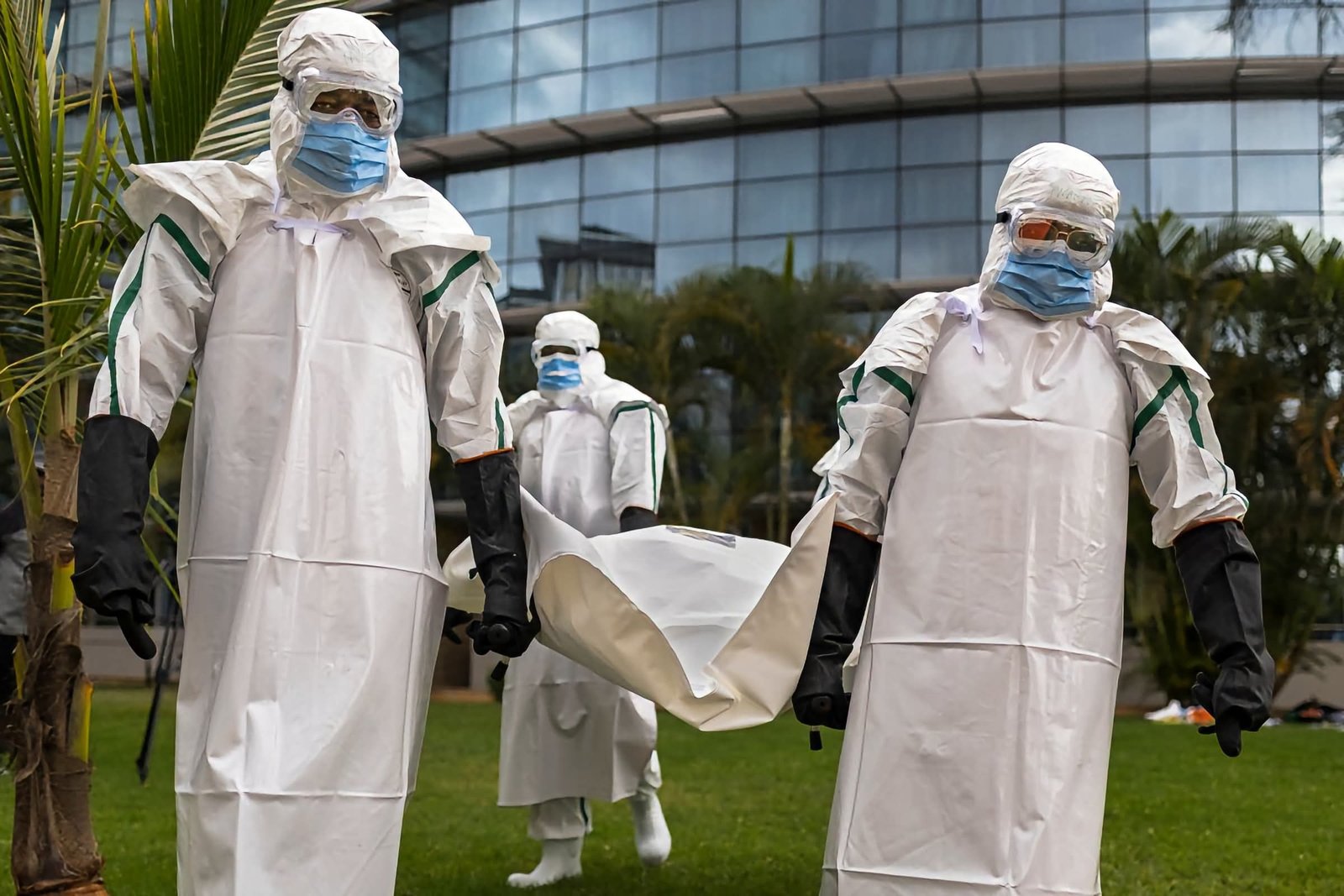
The Ministry of Health said the deceased woman’s family had been informed and arrangements were being made for a safe and dignified burial in accordance with infection prevention protocols.
Seven Patients Remain Under Treatment
Kenyan health authorities have reported nine laboratory-confirmed Ebola infections, including two fatalities, with seven patients continuing to receive treatment at two designated isolation facilities.
The Ministry of Health maintains that all confirmed cases belong to a single epidemiologically linked cluster, with no evidence so far of widespread community transmission.
The World Health Organization (WHO) previously established that the secondary infections included family members and healthcare workers who had been exposed to the first confirmed patient.
Health officials say identifying infected individuals while they are already in quarantine has helped limit the possibility of transmission to the wider population.
As of October 26, the seven remaining patients were reported to be in stable condition and receiving medical care.
Outbreak Traced to Democratic Republic of Congo
Kenya’s first confirmed Ebola case involved a man who had traveled from the Democratic Republic of Congo, where a major outbreak of Bundibugyo virus disease has been ongoing.
According to WHO, the man traveled from the DRC through Uganda before arriving in Nairobi by air on October 3, 2026.
He was admitted to Nairobi Hospital, where laboratory testing confirmed infection with the Bundibugyo virus, one of the viruses responsible for Ebola disease.
Despite medical intervention, the patient died on October 5.
His diagnosis prompted Kenyan authorities to activate emergency response measures, including identifying people who may have come into contact with him during his journey, hospital admission and interactions with family members.
Subsequent investigations linked eight additional infections to the original patient.
Kenya Releases First 20 Contacts From Quarantine
In a significant development on Monday, October 26, Kenyan health authorities announced that 20 individuals who had been exposed to the first patient had successfully completed the mandatory 21-day monitoring period without developing symptoms.
The individuals were released from quarantine following medical assessments confirming that they showed no signs of infection.
According to the Ministry of Health and WHO, 135 contacts had initially been identified and placed under monitoring in Kenya and internationally.
As of October 26, another 98 contacts remained in quarantine, with health officials planning their release in phases, provided they complete the required monitoring period without symptoms.
The government has emphasized that individuals who successfully complete quarantine without developing symptoms should not face discrimination or social exclusion.
Healthcare Workers Among Those Infected
The outbreak has also raised concerns about the safety of frontline healthcare workers.
WHO reported that four of the eight secondary cases involved health and care workers, highlighting the risks associated with treating patients infected with highly contagious diseases.
Health authorities have responded by strengthening infection prevention procedures in hospitals, training medical personnel and distributing personal protective equipment.
Additional measures include enhanced laboratory testing, monitoring of suspected infections and improved screening procedures at healthcare facilities and border entry points.
Regional Concerns as Ebola Spreads Beyond Congo
The outbreak in Kenya is part of a wider regional public health emergency originating in the Democratic Republic of Congo.
According to WHO figures released on October 23, the DRC had recorded 9,704 confirmed cases and 4,687 deaths as of October 20, illustrating the severity of the ongoing outbreak.
The virus has also been detected in Nigeria, which confirmed an imported case on October 20, raising concerns about the potential for further cross-border transmission.
Regional health authorities are strengthening cooperation in surveillance, laboratory testing and contact tracing to reduce the risk of additional infections.
Uganda, which lies between Kenya and the DRC, remains an important country for cross-border health monitoring because of regular movement of people and goods across the region.
WHO has emphasized that coordinated public health measures, rather than blanket restrictions on travel and trade, are essential for controlling the outbreak.
Understanding Ebola and Its Symptoms
Ebola is a severe viral disease that can cause life-threatening illness in humans.
The virus spreads primarily through direct contact with the blood, bodily fluids or contaminated materials associated with an infected person.
Common symptoms include fever, severe headache, muscle and joint pain, weakness, vomiting, diarrhea and abdominal discomfort. Some patients may also develop unexplained bleeding.
Symptoms can appear between two and 21 days after exposure.
The Bundibugyo virus responsible for the current outbreak is one of several viruses capable of causing Ebola disease.
According to WHO, there is currently no licensed vaccine or specific approved treatment for Bundibugyo virus disease. However, early diagnosis, supportive medical care and careful management of complications can improve patients’ chances of survival.
Government Urges Public Vigilance
Kenyan health authorities have called on the public to remain vigilant while avoiding unnecessary panic.
The Ministry of Health has advised people to practice regular handwashing, avoid direct contact with the bodily fluids of sick individuals and seek immediate medical attention if they develop symptoms consistent with Ebola, particularly following possible exposure.
Members of the public have also been advised not to handle the bodies of individuals who may have died from the disease, as specialized teams are responsible for ensuring safe and dignified burials.
Suspected cases can be reported through Kenya’s toll-free emergency hotline, 719, or the Ministry of Health’s WhatsApp service at 0700 719 719.
Outbreak Not Yet Declared Over
Although the release of the first group of quarantined contacts represents progress in Kenya’s containment efforts, authorities have warned that the outbreak remains active.
Under established public health procedures, an Ebola outbreak can only be declared over after the required observation period has passed following the recovery, discharge or safe burial of the last confirmed patient.
For Kenya, authorities have emphasized the need for 42 days without further transmission after the relevant final case milestone.
WHO continues to support Kenya’s response through disease surveillance, laboratory capacity, infection prevention, clinical management and public health communication.
While the government maintains that there is currently no evidence of transmission beyond the identified cluster, health authorities say continued vigilance and regional cooperation will be essential to preventing further deaths and bringing the outbreak under control.