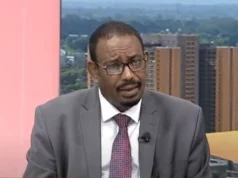
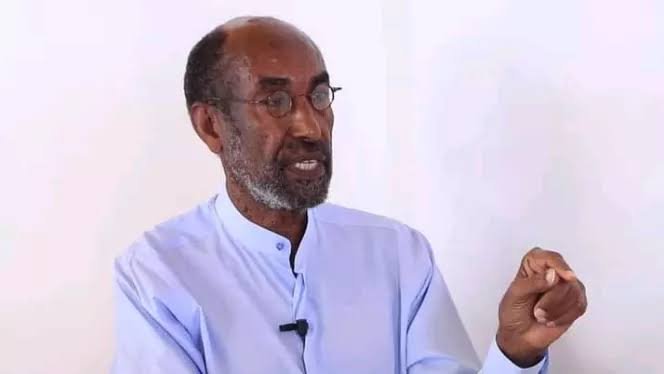
MOGADISHU — Somali MP, academic, political analyst and public intellectual Professor Abdi Ismail Samatar has criticised the administration of President Hassan Sheikh Mohamud, accusing the president and his political team of creating conditions that encourage corruption and undermine good governance in Somalia.
In remarks that have sparked renewed discussion about the country’s political leadership, Professor Samatar expressed concern over the direction of the federal government, questioning the administration’s commitment to accountability, transparency and the protection of public resources.
According to the professor’s criticism, corruption remains one of the major challenges facing Somalia, particularly at a time when the country needs strong institutions, responsible leadership and effective public administration to address its political, economic and security problems.
Concerns Over Leadership and Accountability
Professor Samatar’s remarks raise broader questions about the responsibilities of Somalia’s political leadership and the extent to which government officials are being held accountable for their decisions.
Somalia has faced decades of institutional instability, political disagreements and challenges in rebuilding effective state institutions. Against this background, concerns about corruption and the management of public resources continue to feature prominently in national political discussions.
The criticism directed at President Hassan Sheikh Mohamud’s administration highlights the importance of ensuring that public offices serve the interests of citizens rather than narrow political or personal interests.
The Challenge of Building Strong Institutions
Good governance requires independent institutions, transparent financial management, an effective justice system and mechanisms that allow citizens to question government decisions.
Political analysts have repeatedly emphasised that Somalia’s long-term stability depends not only on military operations and political agreements but also on strengthening institutions capable of operating independently and protecting the public interest.
Allegations of corruption, whether involving government appointments, public contracts or the management of national resources, require credible investigation and transparent accountability mechanisms.
Somalia’s Political Future
The debate surrounding Professor Samatar’s criticism comes amid continuing political challenges in Somalia, including disagreements over governance, constitutional arrangements, federal relations and the country’s broader political direction.
For many Somalis, the central question is whether the federal government can demonstrate meaningful progress in strengthening public institutions, improving security and restoring public confidence.
The criticism also underscores the importance of allowing independent voices, academics, journalists and civil society representatives to scrutinise government performance without political intimidation.
Ultimately, Somalia’s progress will depend on accountable leadership, transparent institutions and a political system that places the interests of the Somali people above individual and political group interests.
Professor Abdi Ismail Samatar’s criticism adds to the wider national debate over corruption, political accountability and the future of governance in Somalia.