
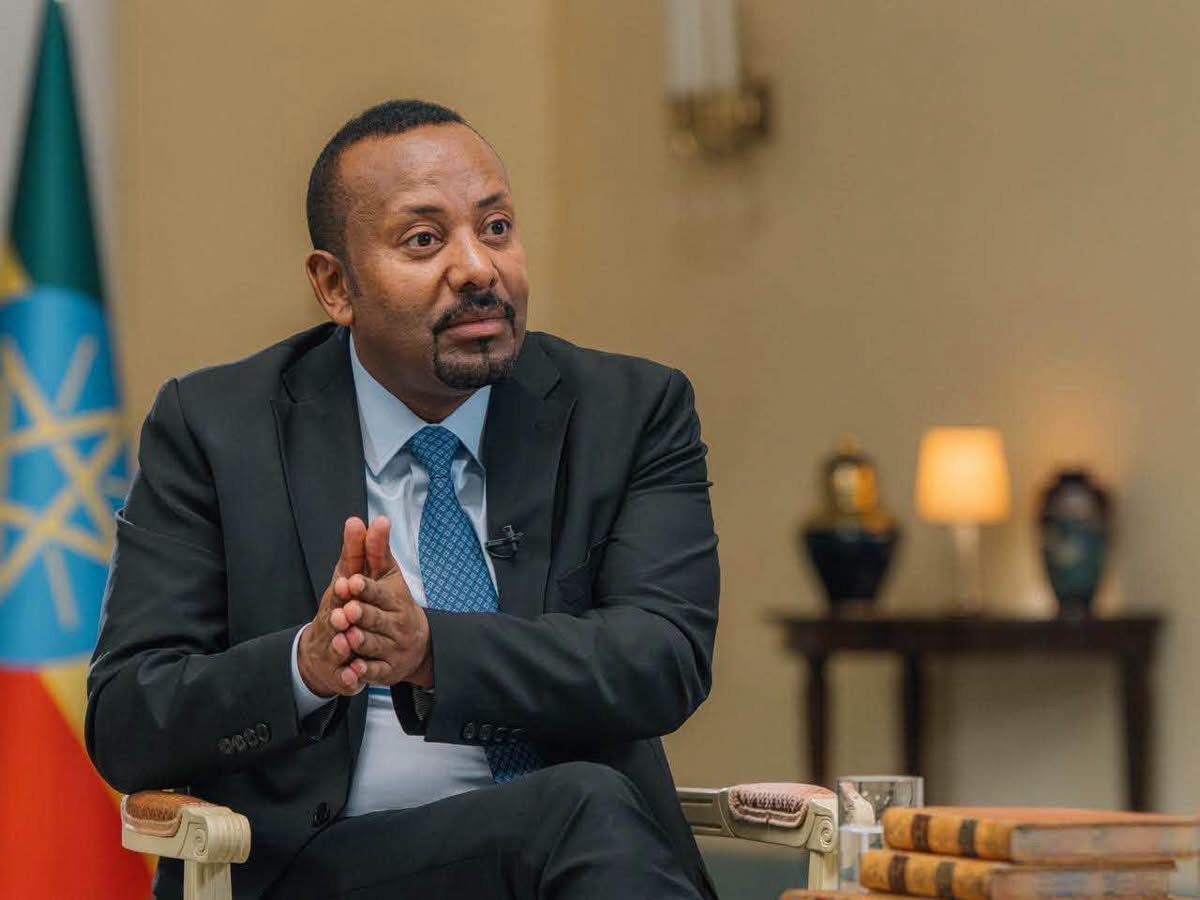
Addis Ababa — Ethiopian Prime Minister Dr. Abiy Ahmed has said that the historical resistance of the Oromo people should be understood primarily as opposition to flawed administrative and political systems rather than as opposition to Ethiopia itself.
“The Oromo people have historically resisted flawed administrative systems, not Ethiopia itself,” Abiy said, framing the history of Oromo political resistance within the broader evolution of Ethiopia’s governance and state institutions.
The prime minister’s remarks draw a distinction between resistance to particular systems of administration and governance and rejection of the Ethiopian state as a whole. His comments come amid continuing national discussions over Ethiopia’s political history, federal structure, ethnic identity, representation and the relationship between regional communities and central government institutions.
Abiy’s statement appears intended to place historical Oromo grievances within a broader political and administrative context. The Oromo are Ethiopia’s largest ethnic group, and questions surrounding political representation, regional autonomy, land, governance and national identity have remained important issues in the country’s political discourse.
The prime minister emphasized the importance of examining historical grievances through the context in which they emerged, rather than interpreting past resistance as opposition to Ethiopia itself. His remarks also underscore the broader challenge of reconciling Ethiopia’s diverse identities and historical experiences within a common national framework.
The issue is particularly significant given Ethiopia’s federal political system, which is organized largely along regional and ethnic lines. Debates over the balance between national unity, regional autonomy and the rights of different communities continue to shape the country’s political landscape.
Abiy’s comments are therefore expected to contribute to wider discussions about political inclusion, administrative reform, federalism, national identity, historical grievances and the future structure of governance in Ethiopia.
The statement also comes as Ethiopia continues to grapple with questions about how historical experiences should be interpreted and incorporated into efforts to strengthen political stability, social cohesion and national unity.