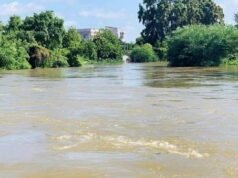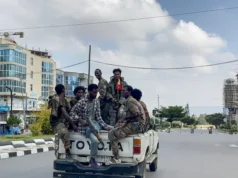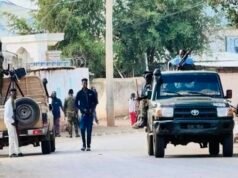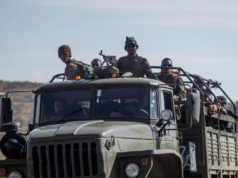
Source: Journalist Hassan Galaydh
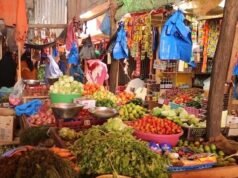
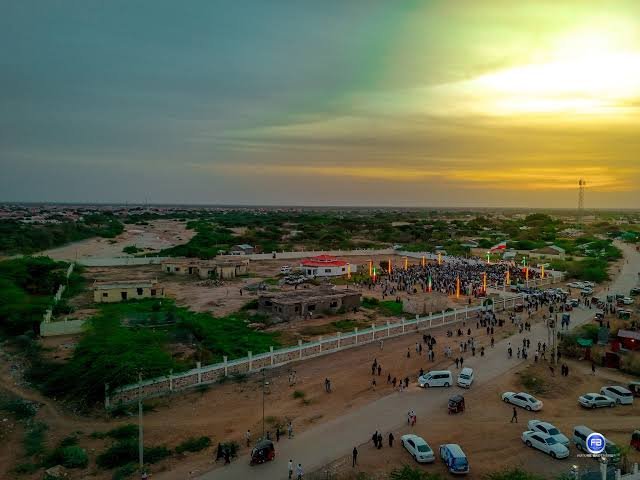
BURAO — The city of Burao, one of Somaliland’s largest commercial hubs and often referred to as its second capital, is facing what local residents describe as long-standing structural development challenges affecting its economic growth, investment priorities, and regional influence.
Community members and local analysts say the city’s historic role as a livestock and trade center has weakened in recent years, raising concerns about a gradual erosion of its traditional economic base.
Burao has long depended on livestock trade, particularly animals sourced from central and southern Somalia, including Hiiraan region and the city of Beledweyne, which were traditionally sold at its main livestock market. Traders say declining livestock flows and shifting trade routes have negatively affected commercial activity and local livelihoods.
“Burao’s economy was built on livestock trade. When that flow weakens, everything else is affected — transport, markets, and small businesses,” said a local trader who requested anonymity.
Residents and civic observers also argue that major development projects have not been evenly distributed, with Burao receiving fewer large-scale infrastructure investments compared to other urban centers in Somaliland. They claim international partners and donors have focused more on other locations.
Concerns have also been raised over what some describe as uneven urban development. A local commentary noted that Burao, the capital of Togdheer region, has experienced limited development since the collapse of Somalia’s central government in 1991, a situation they say has been compounded by insecurity and regional tensions, including conflicts in parts of the Sool region.
Despite its importance as a regional commercial center, critics point to gaps in public services and infrastructure, including the absence of key civic institutions they consider essential for a growing city.
“There is a perception that Burao has been left behind in long-term development planning,” said a civil society source based in the region.
Security-related concerns have also emerged in local discussions. Some residents allege that individuals with public influence have faced uneven treatment when traveling between cities, citing isolated incidents of arrest or detention. These claims could not be independently verified.
There have also been unverified reports alleging the involvement of religious figures in local security efforts, including participation in night-time operations targeting youth-related crime. Critics argue such practices are unusual compared to other parts of Somaliland and have raised questions about policing methods. Authorities have not publicly confirmed these claims.
Officials, however, maintain that law enforcement operations are conducted strictly in accordance with the law and are aimed at maintaining public order, adding that anyone found violating regulations will be held accountable.
Observers further argue that Burao’s challenges are rooted in broader political and economic instability following the collapse of Somalia’s central government in 1991, as well as periodic conflicts and tensions in surrounding regions that have affected trade routes, investment flows, and development priorities across northern Somalia.
Analysts say the debate reflects wider questions around decentralization, regional development equity, and the balance between security enforcement and civic freedoms in Somaliland’s urban centers.
Residents are now calling for renewed long-term development planning, urging authorities and development partners to invest in infrastructure, economic diversification, and public services to strengthen the city’s future role.
“This is not about a single issue or sector,” said another resident. “It is about how Burao positions itself in the coming decades.”
The public concerns come amid reports that Sadiq Farah Haybe was arrested in the town of Burao.
This report is based on local commentary and reflects differing perspectives within the community. Some allegations remain unverified.