ADDIS ABABA — More than three years after the signing of a peace agreement that formally ended the devastating war in Ethiopia’s Tigray region, concerns persist over what some analysts describe as a continuing crisis driven by economic hardship, political tensions, and institutional paralysis.
In a commentary, Hagos Mezgebe Atsbaha argues that Tigray has not experienced a genuine transition to peace but remains trapped in what he calls a form of “silent warfare” sustained through legal, economic, political, and social pressures.
According to the analysis, the region faces challenges stemming from the actions and competing interests of three major actors: Ethiopia’s federal government, neighboring Eritrean forces, and rival political factions within Tigray itself.
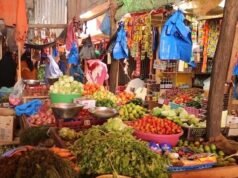
The commentary alleges that reconstruction efforts have been slowed by limited access to resources, delays in public sector salary payments, restrictions affecting development initiatives, and continued dependence on humanitarian assistance.
The author argues that these conditions have contributed to economic stagnation and uncertainty for millions of residents still recovering from one of Africa’s deadliest recent conflicts.
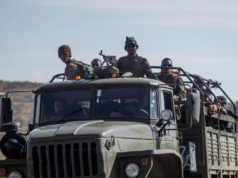
While large-scale fighting has largely ceased since the 2022 Pretoria peace agreement, humanitarian organizations and regional observers have continued to express concern over displacement, economic recovery, governance challenges, and unresolved political disputes in the region.
The federal government has repeatedly stated its commitment to implementing the peace agreement and supporting reconstruction efforts, while international partners have called for accelerated recovery and reconciliation measures.