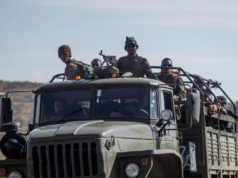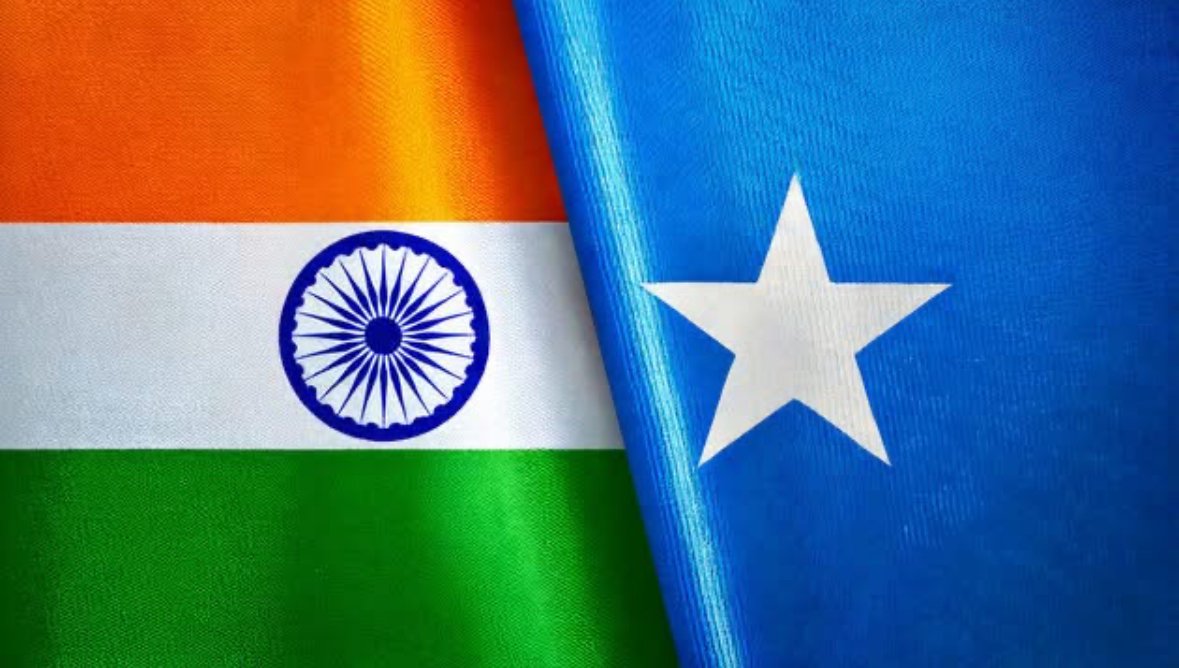
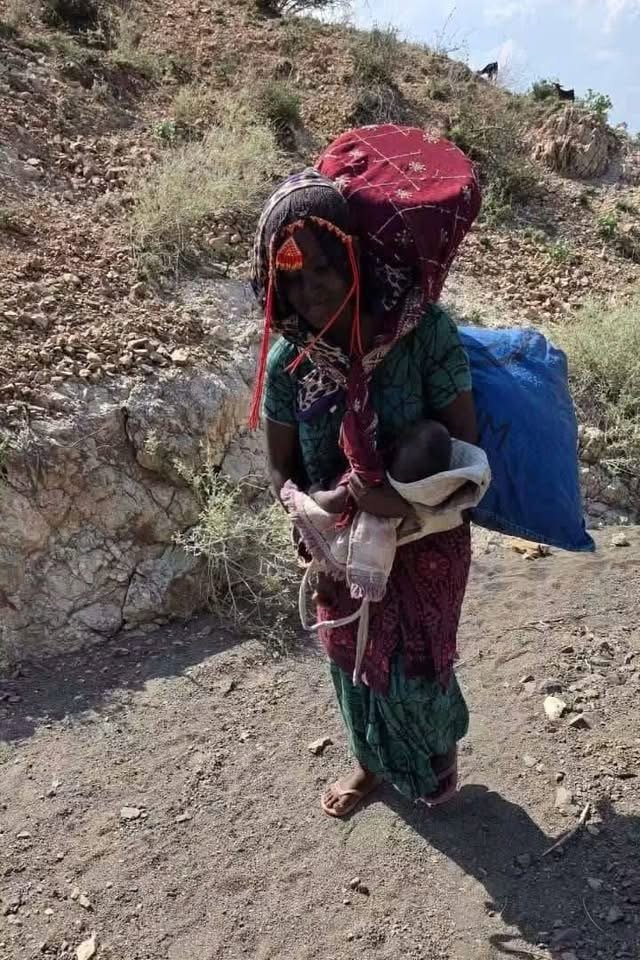
ADDIS ABABA — Ethiopia is facing growing political and security challenges, prompting comparisons with the instability that affected Somalia following the collapse of its central government in 1991.
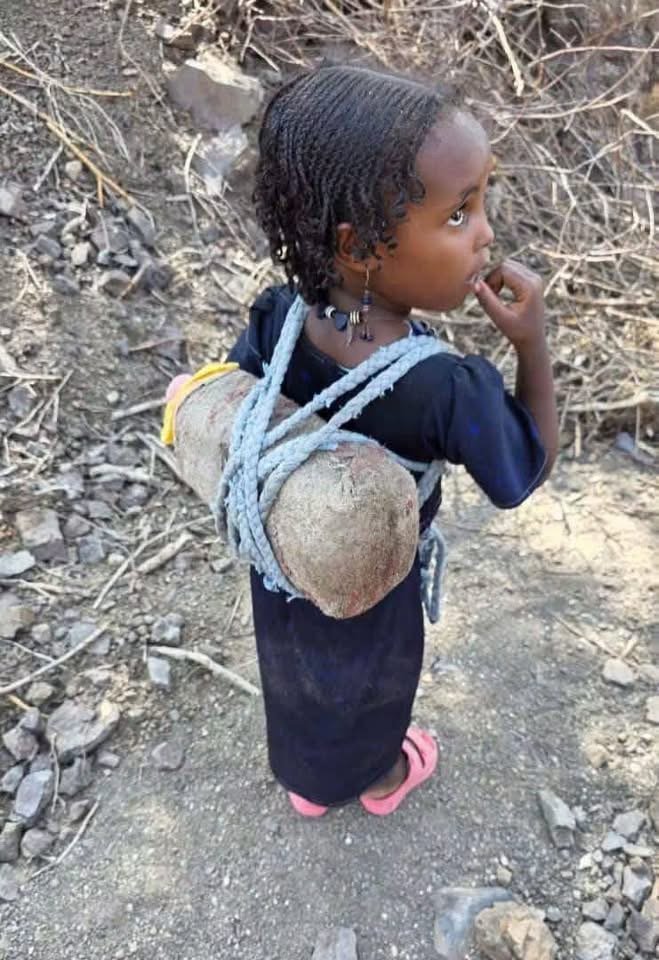
The comparison comes amid renewed armed clashes, rising tensions between federal and regional actors, and the emergence of new alliances involving several armed groups.
Analysts and observers have warned that continued political fragmentation and military confrontation could place additional pressure on Ethiopia’s institutions and worsen humanitarian conditions.
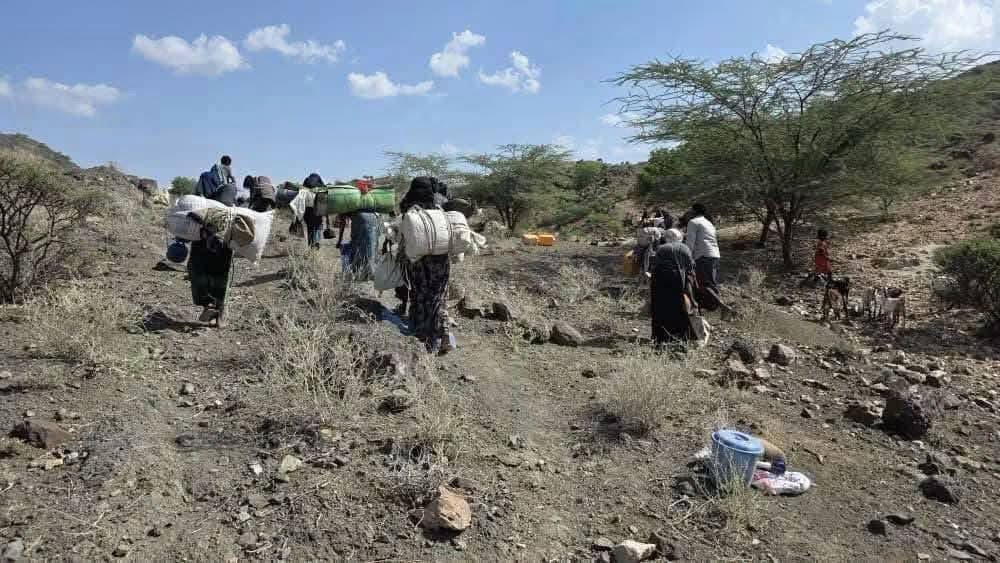
The developments have also raised concerns across the Horn of Africa, where instability in Ethiopia could have wider implications for neighboring countries, regional security and cross-border trade.
Ethiopia’s government has maintained that it is committed to preserving national stability and addressing security challenges, while armed groups involved in the conflict have put forward competing political demands.
The situation remains fluid, with calls for dialogue and de-escalation increasing as fighting continues in parts of the country.
The comparison with Somalia in 1991 remains a political assessment rather than an established prediction, and the trajectories of the two countries are shaped by different historical and political circumstances.