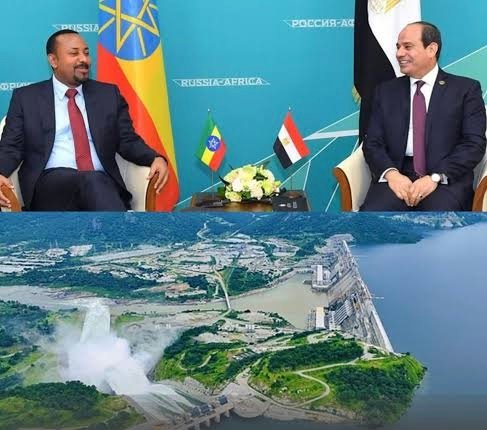
CAIRO/ADDIS ABABA — Egypt has warned Ethiopia against taking unilateral decisions over the flow of water from the Grand Ethiopian Renaissance Dam (GERD), intensifying a long-running dispute over the use and management of the Nile.
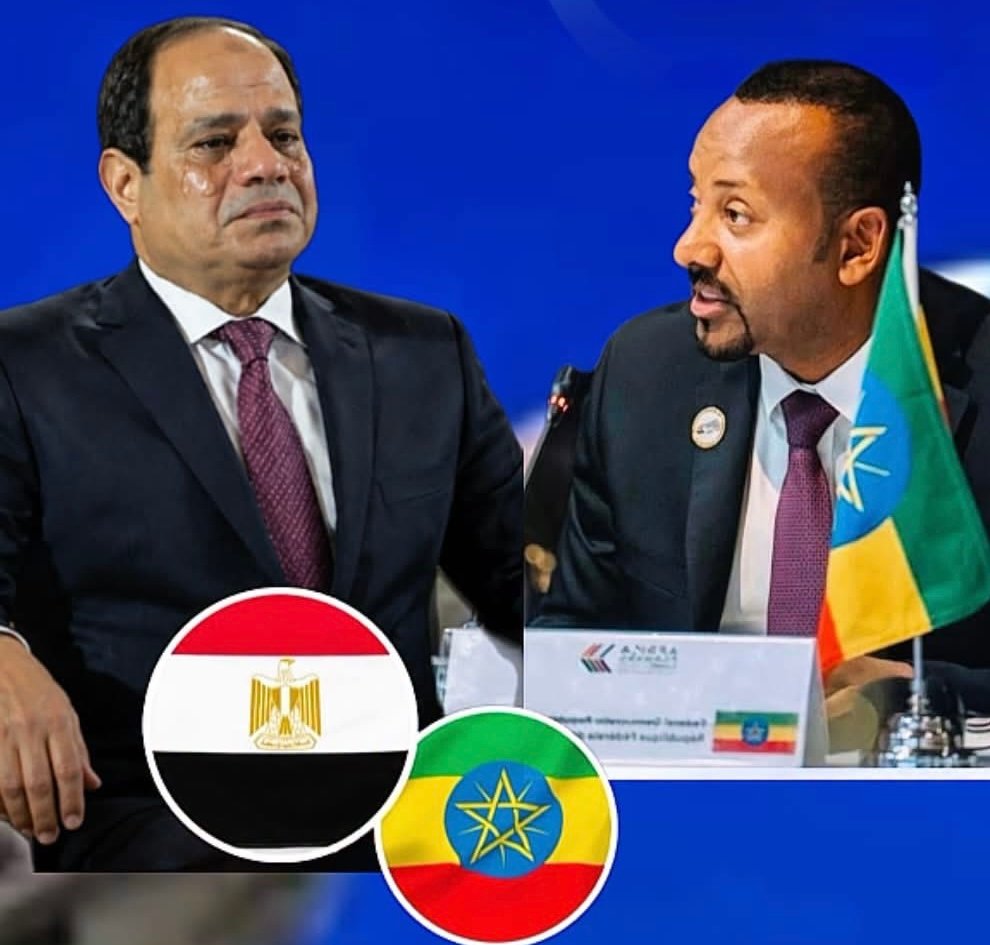
The disagreement has increasingly shifted away from the construction of the dam itself and toward how Ethiopia will operate GERD and regulate the flow of Blue Nile waters, particularly during periods of drought.
GERD, officially inaugurated in 2025, is Africa’s largest hydroelectric project. It has an installed generation capacity of approximately 5,150 megawatts and a reservoir capable of holding around 74 billion cubic metres of water.
For Ethiopia, the dam is viewed as a cornerstone of its economic development strategy. Addis Ababa says the project is intended primarily to generate electricity, expand power access and support industrial and economic growth. Ethiopia has also argued that the dam can be operated in a way that allows downstream countries to continue receiving Nile water.
Egypt, however, considers the Nile a vital national resource because the river provides the overwhelming majority of the country’s freshwater needs. Cairo has repeatedly called for binding rules governing the filling and operation of GERD, particularly in years of prolonged drought.
Egypt has also stressed that decisions affecting the volume and timing of water reaching downstream countries should not be made unilaterally.
The dispute also involves Sudan, which lies downstream from Ethiopia and upstream from Egypt. Khartoum has at various times highlighted potential benefits from regulated water flows and electricity, while also raising concerns about dam safety, information-sharing and coordinated operation.
The GERD dispute has become one of Africa’s most consequential water-security disagreements, with negotiations repeatedly struggling to produce a comprehensive and legally binding agreement between the three countries.
At the heart of the disagreement is a fundamental difference in priorities: Ethiopia sees the dam primarily as a source of electricity and development, while Egypt views the Nile as an issue of national survival and water security.
Any unilateral change in the management of Blue Nile flows could therefore carry significant political and diplomatic consequences for relations between Cairo and Addis Ababa.