ASMARA — Eritrea has accused Ethiopia’s government of contributing to regional instability, alleging that Addis Ababa has hosted a secret military camp and base for Sudan’s Rapid Support Forces (RSF) in the Benishangul-Gumuz region.
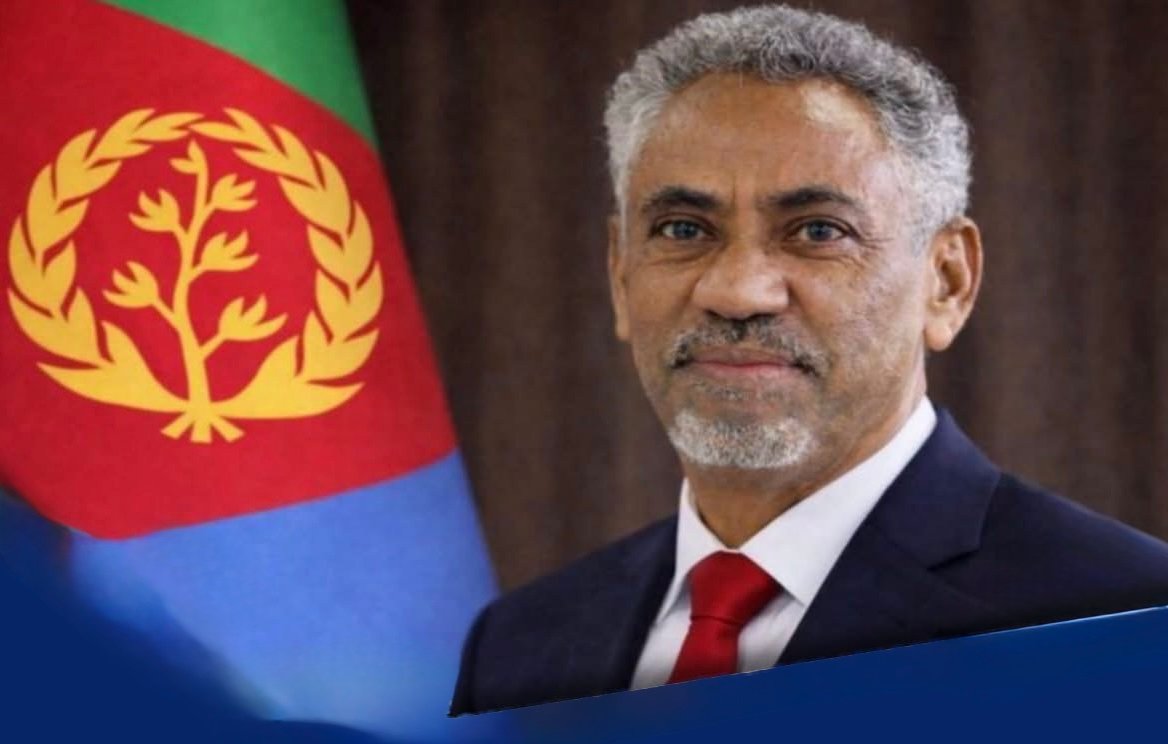
The accusations were made by Eritrean Information Minister Yemane Gebremeskel, who criticized what he described as contradictory policies by Ethiopia’s ruling party, accusing it of using aggressive rhetoric while portraying itself as a victim of internal and external pressure.
In a statement, Gebremeskel said Ethiopia’s leadership continues to send conflicting messages, pointing to repeated statements about gaining access to the sea while simultaneously presenting itself as being threatened by outside actors.
He said that despite what he described as dramatic political messaging, “the facts on the ground” show that regional tensions have been fueled by what Eritrea considers reckless policies from Ethiopia’s government.
According to the Eritrean minister, tensions between Ethiopia and Sudan are linked to Addis Ababa’s alleged involvement in the Sudanese conflict through support for the RSF. He claimed that evidence of the alleged base in Benishangul-Gumuz is publicly available, though Ethiopia has not acknowledged the allegation.
Gebremeskel also criticized Ethiopia’s previous memorandum of understanding with Somaliland, describing it as an unlawful and destabilizing move that violated principles related to sovereignty and territorial integrity. Eritrea maintains that agreements affecting regional borders and sovereignty must respect African Union and IGAD frameworks.
The Eritrean official further accused Ethiopia of pursuing a policy aimed at securing control over coastal access, citing previous Ethiopian statements regarding access to the Red Sea and the port of Assab.
He also rejected Ethiopian claims that external forces were attempting to undermine the Pretoria Peace Agreement, saying the agreement remains an internal Ethiopian matter. Eritrea argued that statements from former Tigray regional officials had revealed alleged plans for hostile actions against Eritrea before the peace deal was signed.
Eritrea concluded that lasting peace and stability in the Horn of Africa require what it described as responsible policies, mutual respect among neighboring states, and respect for national sovereignty.
The allegations come amid continuing political and security tensions in the Horn of Africa, where Ethiopia, Eritrea, Sudan, and neighboring countries remain closely linked through security, trade, and diplomatic interests.