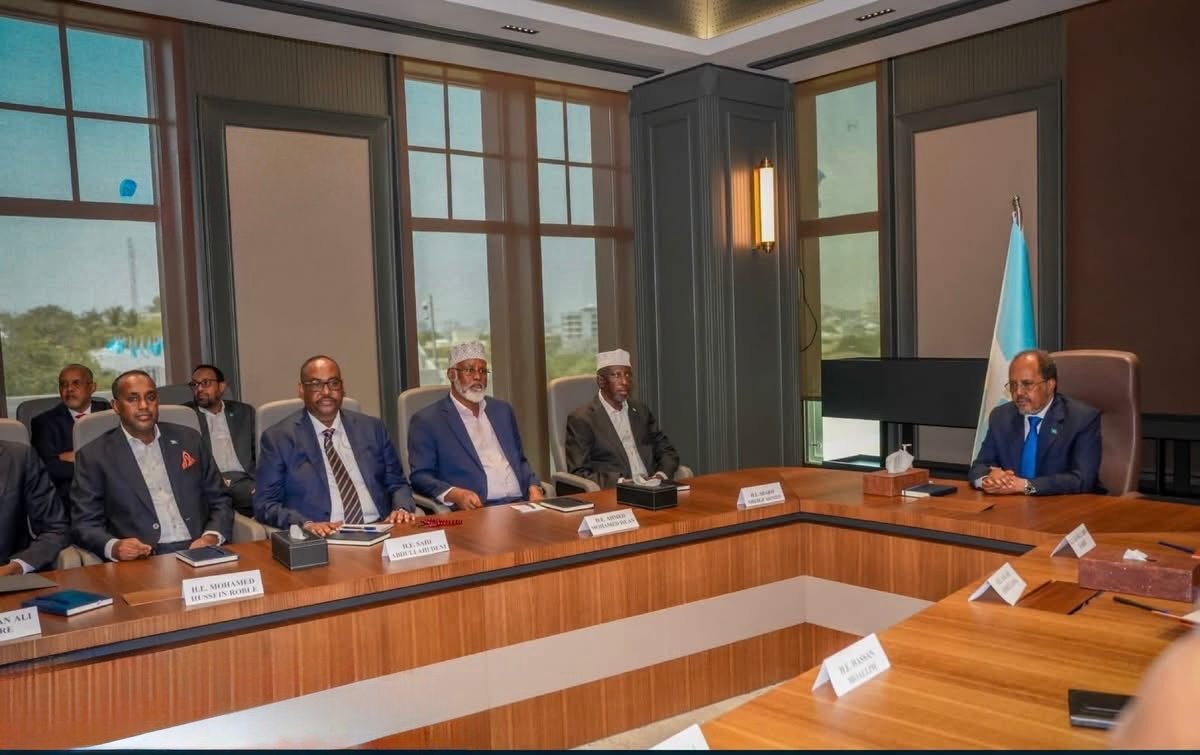
MOGADISHU — As Somalia enters a new phase of political consultations, one of the most important questions facing the country’s dialogue process remains unresolved: who has the legitimate authority to represent the opposition?
The question has become central as political leaders, civil society representatives, and other stakeholders engage in discussions over Somalia’s political future, including electoral arrangements, constitutional issues, governance reforms, and national reconciliation.
While there is broad agreement on the importance of dialogue, disagreements remain over which opposition groups should be included and what standards should determine their representation. Without a clear framework, critics warn that any political agreement could face challenges regarding legitimacy, inclusiveness, and public trust.
Somalia’s opposition landscape includes a range of political figures, parties, and alliances with different levels of organization, influence, and public support. Some have established political structures and participate in formal processes, while others represent regional, social, or emerging political movements.
Political observers argue that representation cannot be based only on individual influence or public visibility. They say a transparent process is needed to determine who qualifies as an official opposition representative, taking into account factors such as legal recognition, political organization, electoral support, and commitment to democratic principles.
Supporters of inclusive dialogue believe that all significant political voices should have a place at the table to prevent exclusion and ensure that future agreements reflect Somalia’s diverse interests. They argue that a broad-based process can help reduce tensions and strengthen confidence in the country’s political institutions.
However, others caution that an overly broad definition of opposition participation could weaken negotiations by allowing groups without a clear mandate to influence major national decisions. They emphasize the need for balance between inclusion and accountability.
The issue is particularly important because political agreements in Somalia have historically depended on broad consensus among national and regional actors. Previous processes have faced difficulties when participants questioned whether agreements represented the wider population or only a limited group of political elites.
Observers say that establishing clear rules for political participation before major decisions are finalized would help prevent future disputes and increase the chances of successful implementation.
For Somalia’s democratic development, many argue that the focus should not only be on who sits at the negotiating table, but also on whether the process itself is transparent, fair, and connected to the aspirations of Somali citizens.
As political talks continue in Mogadishu, the question of opposition representation is likely to remain one of the most important tests of Somalia’s ability to build consensus and achieve lasting political stability.