Gulf Foreign Ministers, Iranian Counterpart Expected to Meet in Oman Over Strait of Hormuz Shipping
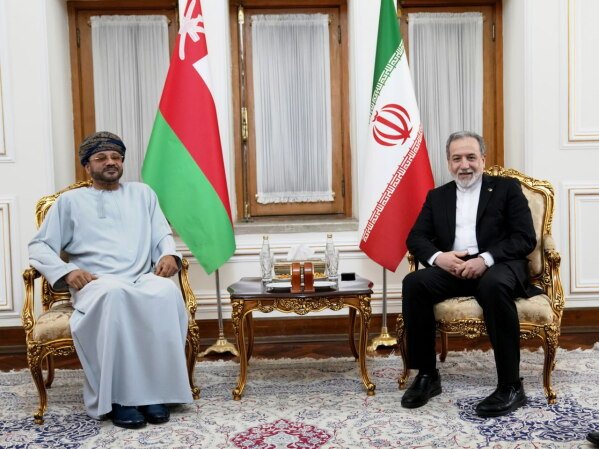
SALALAH — Foreign ministers from the Gulf countries and Iran’s foreign minister are expected to meet in Salalah, Oman, as diplomatic efforts intensify to reach an interim arrangement for managing commercial shipping through the Strait of Hormuz.
The meeting is part of a diplomatic initiative led by Oman and Iran aimed at easing tensions around the strategic waterway, which is vital to global trade and energy supplies.
Under the proposed temporary arrangement, according to reports, commercial vessels entering the Gulf would use a designated route through Iranian waters, while vessels leaving the Gulf would primarily use the Omani side of the waterway.
The objective is to establish a temporary and safer shipping corridor that would allow commercial vessels to transit the Strait of Hormuz amid heightened regional tensions.
The issue has taken on particular urgency as maritime traffic through the strait has fallen sharply. New figures indicate that only seven vessels crossed the waterway on September 10, compared with roughly 125 commercial vessels per day before the war.
The Strait of Hormuz normally carries nearly 20% of global oil and LNG supplies, making any prolonged disruption a major concern for international energy markets, shipping companies and governments around the world.
Oman has spent weeks mediating between Tehran and other parties. In late August, Oman and Iran reportedly agreed on a temporary framework that included designated shipping routes and a plan to clear sea mines, while also preparing for further negotiations aimed at establishing a more permanent system for managing maritime traffic through Hormuz.
However, the arrangement has not yet produced a final solution. Iran continues to link the full reopening of the strait to issues including U.S. sanctions and pressure, making the expected meeting between the Gulf foreign ministers and their Iranian counterpart particularly sensitive.
The Salalah talks are therefore expected to focus on finding areas of compromise between Iran and the Gulf states, while seeking to prevent further disruption to one of the world’s most important maritime and energy corridors.