KHARTOUM — Gulf countries are expanding their political and economic involvement in Sudan as the war between the Sudanese Armed Forces (SAF) and the Rapid Support Forces (RSF) continues to devastate the country and deepen its humanitarian and economic crisis.
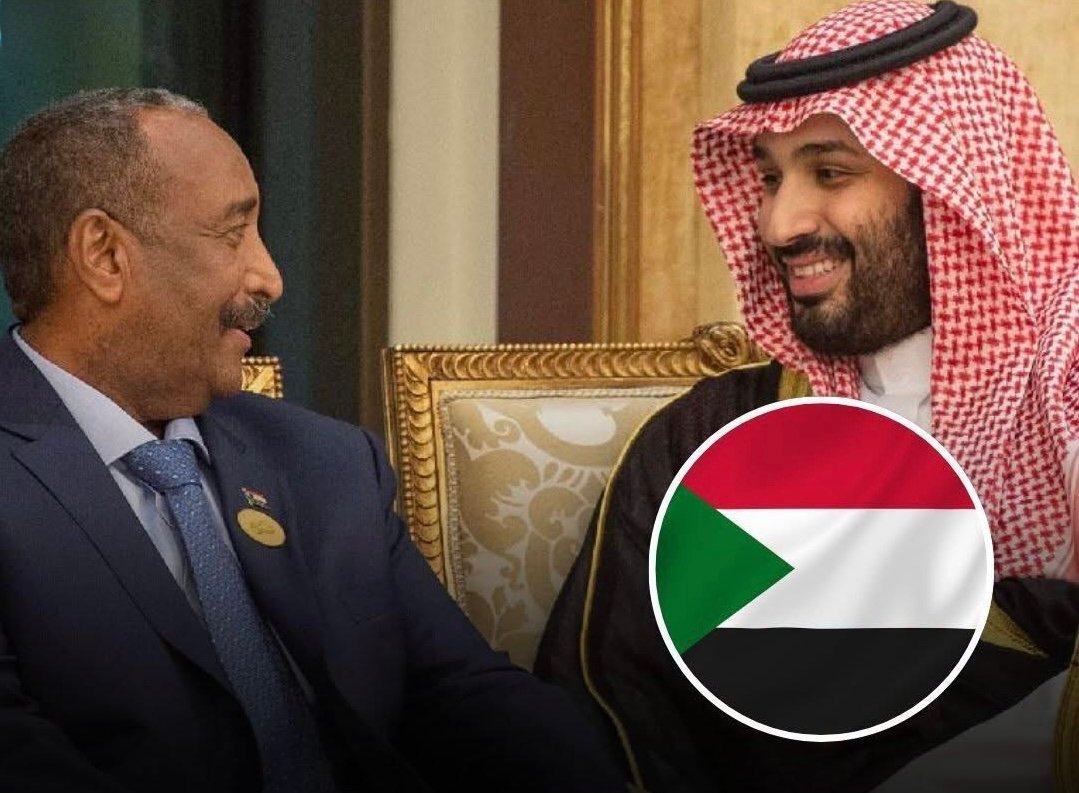
Saudi Arabia, the United Arab Emirates and Qatar have all increased their engagement through humanitarian assistance, diplomatic initiatives and economic discussions, with Sudan’s vast natural resources, strategic location and potential role in regional trade making it a key focus of interest.
Sudan’s mineral wealth, particularly its gold reserves, has emerged as one of the main drivers of foreign attention. The country is one of Africa’s largest gold producers, and control over gold exports has become closely linked to political influence and financial power during the conflict.
The UAE has historically been a major destination for Sudanese gold exports, making Dubai an important hub for the trade. However, new agreements and growing Saudi involvement have begun to reshape the regional competition over Sudan’s mineral sector.
Beyond gold, Sudan’s resources, including agricultural land, minerals and potential energy opportunities, have attracted interest from Gulf investors looking toward the country’s long-term reconstruction and economic recovery.
Despite the involvement of wealthy Gulf states and billions of dollars in announced aid and investment commitments, millions of Sudanese continue to face severe hardship. The conflict has damaged infrastructure, disrupted trade, displaced communities and weakened public services, leaving the economy in crisis.
Humanitarian organizations have warned that Sudan remains one of the world’s largest displacement and hunger crises, with civilians bearing the greatest burden of the ongoing fighting.
The struggle for influence in Sudan extends beyond the Gulf, with Egypt, Turkey and Western countries also seeking a role in shaping the country’s political future and reconstruction process.
Regional analysts say Sudan’s resources could provide a foundation for recovery if managed transparently and used for national development. However, they warn that continued conflict, weak institutions and competition among external powers could prevent ordinary Sudanese citizens from benefiting from the country’s wealth.
As diplomatic efforts continue, Sudan remains at the center of a wider regional contest over influence, resources and the future direction of the Red Sea and Horn of Africa region.