By Horn Africa News (HAN) Editorial Board
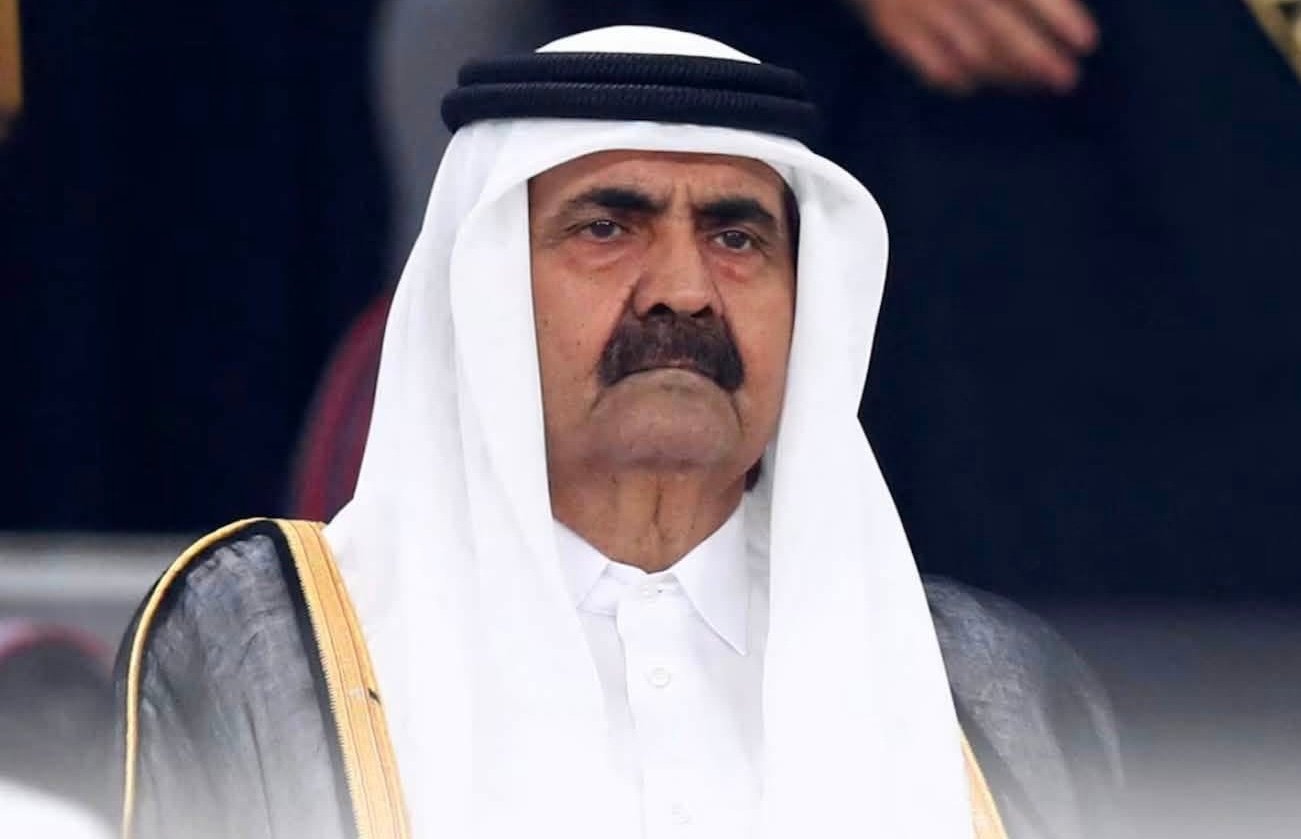
DOHA — The passing of Sheikh Hamad bin Khalifa Al Thani marks the end of a defining chapter in Qatar’s modern history. The former Emir, who led the country from 1995 to 2013, leaves behind a legacy of transformation that reshaped Qatar’s economy, diplomacy and global standing.
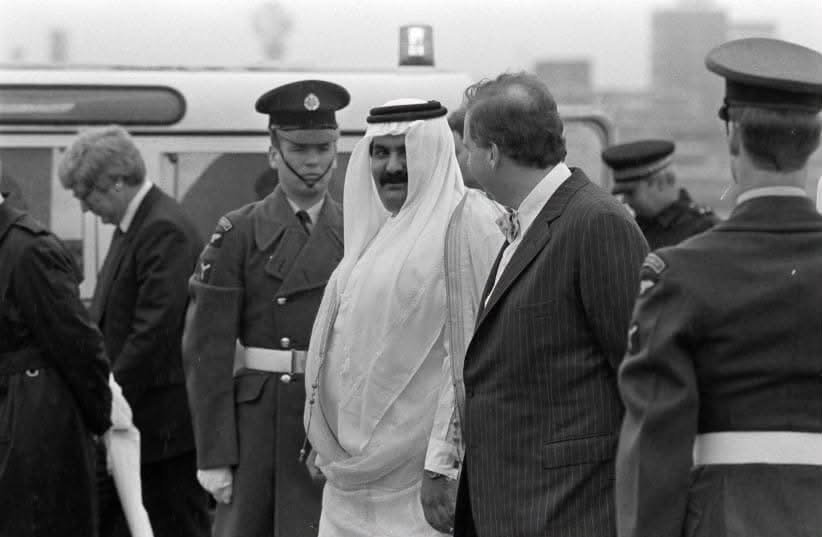
Sheikh Hamad’s leadership represented one of the most significant political and economic shifts in the contemporary Gulf. When he came to power in 1995, Qatar was a small nation with vast natural resources but limited influence beyond the region. Over the following decades, his vision and policies turned Qatar into a globally recognized state with a powerful economy, an influential diplomatic role and a voice on the international stage.
His leadership was built around a clear strategic vision: that a small country could achieve global relevance through economic development, careful diplomacy and investment in national institutions.
The foundation of Qatar’s transformation was its natural gas wealth. Under Sheikh Hamad’s rule, Qatar accelerated the development of its liquefied natural gas (LNG) industry, becoming one of the world’s leading energy exporters. The revenues generated from this sector funded major investments in infrastructure, education, healthcare, technology and international partnerships.
This economic strategy not only strengthened Qatar’s domestic development but also provided the financial foundation for the country’s growing international influence.
One of the most recognizable symbols of Qatar’s rise was the establishment of Al Jazeera in 1996. The network transformed the media landscape of the Arab world and gave Qatar an influential platform in global affairs. Although Al Jazeera has faced criticism and political debate, its role in shaping regional conversations and bringing Middle Eastern issues to a worldwide audience remains significant.
Beyond economics and media, Sheikh Hamad understood the importance of diplomacy. His government pursued an active and independent foreign policy, allowing Qatar to build relationships with competing regional and international powers.
Under his leadership, Doha emerged as a center for dialogue, negotiations and mediation. Qatar positioned itself as a country capable of engaging with different sides of international disputes while maintaining its own strategic interests.
Another historic achievement of Sheikh Hamad’s era was Qatar’s successful bid to host the 2022 FIFA World Cup. The decision was more than a sporting milestone; it represented Qatar’s ambition to demonstrate its modernization, infrastructure development and global connectivity.
However, Sheikh Hamad’s legacy, like that of many influential leaders, includes both achievements and debates. Qatar’s growing regional role, foreign policy decisions and international influence have attracted both praise and criticism. These discussions will continue among historians and political observers.
Perhaps one of the most notable moments of Sheikh Hamad’s leadership was his peaceful transfer of power in 2013 to his son, Sheikh Tamim bin Hamad Al Thani. The transition demonstrated political continuity and stability, and it remains an important moment in Qatar’s modern political history.
For the Horn of Africa and other developing regions, Sheikh Hamad’s journey offers a broader lesson: a country’s size does not determine its influence. Through strategic planning, economic investment and diplomatic engagement, Qatar demonstrated how a small nation can become a major global actor.
Sheikh Hamad bin Khalifa Al Thani will be remembered as the architect of modern Qatar — the leader who transformed the country’s economic foundations, expanded its international presence and created institutions that continue to shape its future.
His legacy will be studied and debated for generations, but his impact on Qatar and the Gulf region is undeniable.