NAIROBI — Kenya is intensifying efforts to expand its agricultural exports, attract foreign investment, and strengthen its position in global markets through a series of strategic partnerships with international companies and trading partners, officials said following high-level meetings in Oslo.
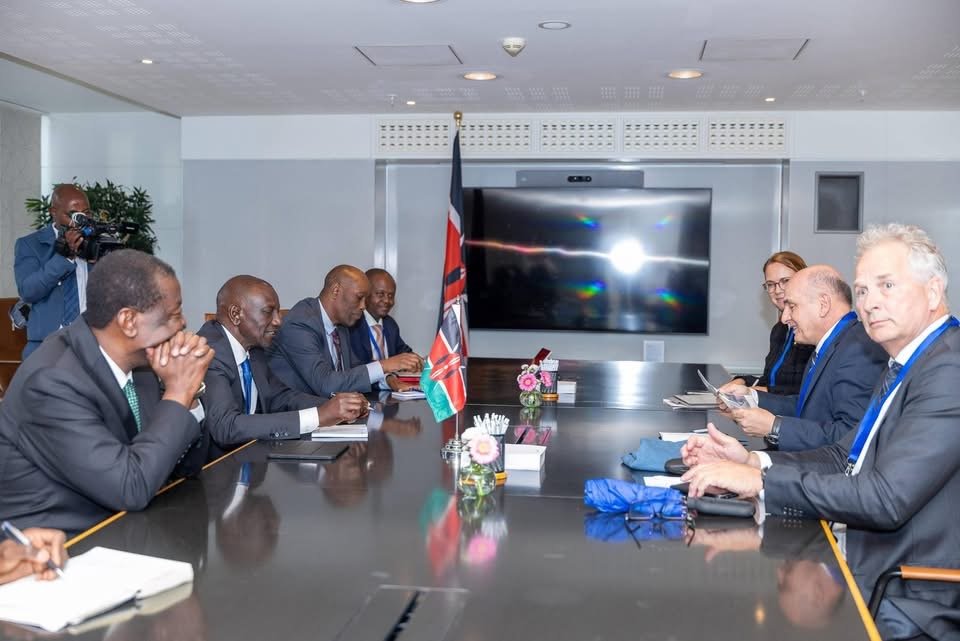
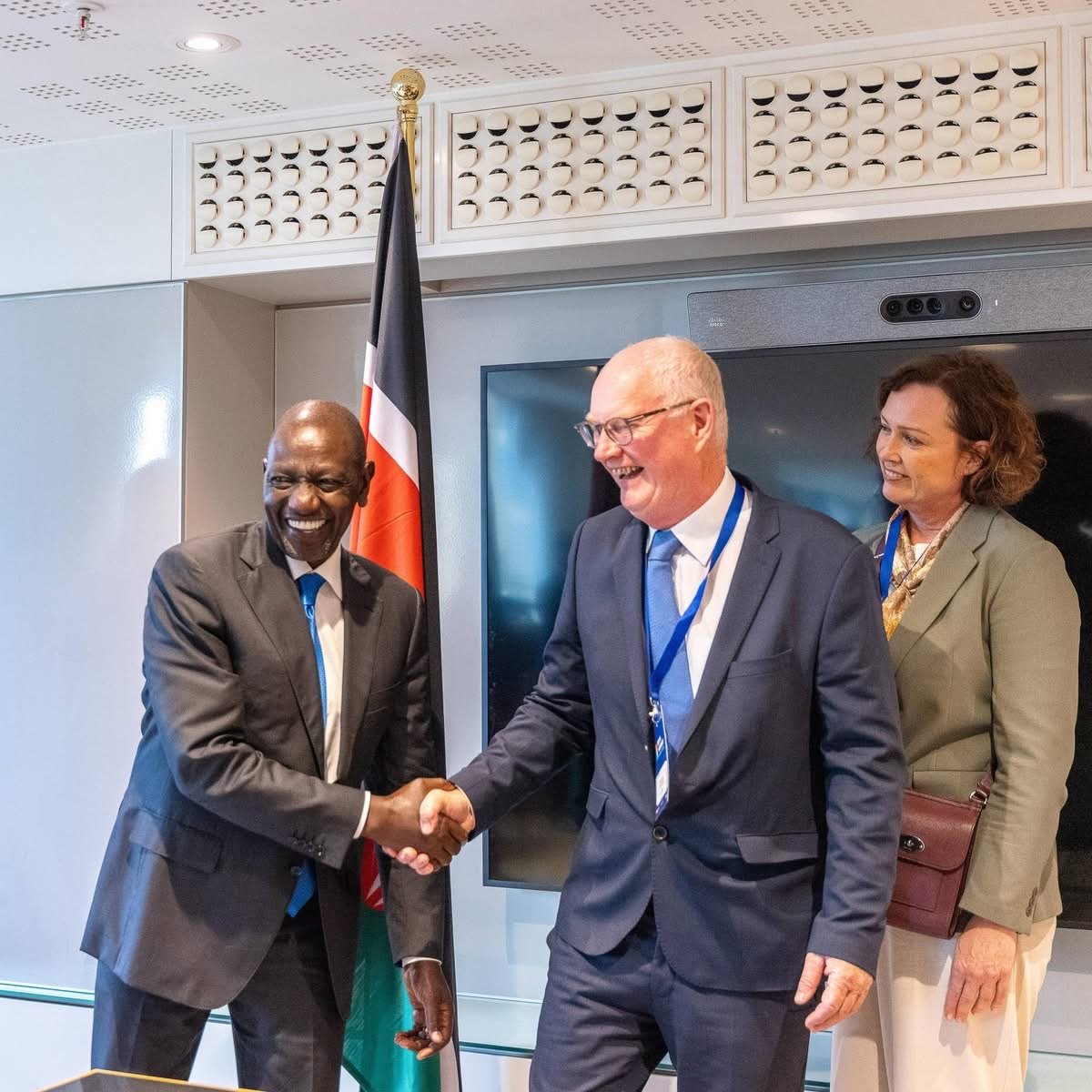
The discussions, held with executives from Norway’s leading flower retailer Mester Grønn and global agricultural solutions company Yara International, focused on increasing market access for Kenyan products, improving agricultural productivity, and supporting sustainable farming practices that can help farmers adapt to the growing challenges of climate change.
The meetings come as Kenya seeks to build on its reputation as one of Africa’s leading agricultural exporters. Agriculture contributes significantly to the country’s economy, accounting for a substantial share of employment, export earnings, and rural livelihoods. Millions of Kenyans depend directly or indirectly on farming, making the sector central to the government’s economic development agenda.
Kenya has emerged as one of the world’s largest exporters of cut flowers, supplying markets across Europe, the Middle East, and other regions. The country’s flower industry employs hundreds of thousands of workers and generates significant foreign exchange revenues each year. Kenyan roses, carnations, and other flowers are widely recognized for their quality and are a major presence in European markets.
Officials said maintaining and expanding Kenya’s share of the global flower market remains a priority. The government is therefore working to improve infrastructure, reduce logistical bottlenecks, and strengthen trade relationships with key international partners.
One of the major areas of focus is the expansion of cold-chain logistics systems, which are critical for preserving the quality of flowers, fruits, vegetables, and other perishable agricultural products during transportation. Improved cold storage facilities, refrigerated transport networks, and efficient export handling systems are expected to reduce post-harvest losses and increase the competitiveness of Kenyan products in overseas markets.
The government is also seeking to maximize opportunities created by the Kenya–European Union Economic Partnership Agreement (EPA), which provides a framework for enhanced trade cooperation between Kenya and the European bloc. The agreement is expected to provide greater certainty for exporters and improve access for Kenyan agricultural products to one of the country’s most important export destinations.
Analysts say the agreement could create new opportunities for farmers, agribusinesses, processors, and exporters by reducing trade barriers and encouraging greater investment in agricultural value chains.
During the Oslo meetings, Kenyan representatives held discussions with Erling Ølstad of Mester Grønn, one of Norway’s largest flower retailers, regarding opportunities to strengthen commercial ties between Kenyan producers and European consumers. The talks explored ways to increase exports while promoting sustainability standards that are increasingly important in international markets.
Separate discussions with Magnus Krogh Ankarstrand, President and Chief Executive Officer of Yara International, focused on agricultural innovation, food security, and climate-smart farming solutions. Yara is one of the world’s leading providers of crop nutrition products and agricultural technologies and has long been involved in supporting farming initiatives across Africa.
Officials noted that partnerships with companies such as Yara could help Kenyan farmers gain access to improved agricultural inputs, modern farming techniques, digital technologies, and knowledge-sharing programs designed to increase productivity while reducing environmental impact.
Climate change remains one of the biggest challenges facing agriculture in East Africa, with recurring droughts, unpredictable rainfall patterns, and extreme weather events affecting food production and rural livelihoods. Kenyan authorities believe that expanding climate-smart agriculture will be essential to ensuring long-term food security and sustainable economic growth.
The government has increasingly emphasized value addition as part of its economic strategy, encouraging local processing and manufacturing to ensure that more value from agricultural products remains within the country. By strengthening local industries, officials hope to create employment opportunities, increase incomes for farmers, and improve Kenya’s competitiveness in global markets.
The Oslo discussions are part of a broader diplomatic and economic outreach strategy aimed at attracting international investment and positioning Kenya as a leading agricultural hub in Africa. Officials say stronger partnerships with global companies and foreign investors will be essential in helping the country modernize its agricultural sector, expand exports, and achieve long-term economic prosperity.
As global demand for high-quality, sustainably produced agricultural products continues to grow, Kenya is seeking to leverage its strategic location, favorable climate, and experienced farming sector to secure a larger share of international markets while delivering greater benefits to farmers and rural communities across the country.
This version reads more like a full AFP/international wire-service feature, providing economic context, background, analysis, and significance beyond the original statement.