
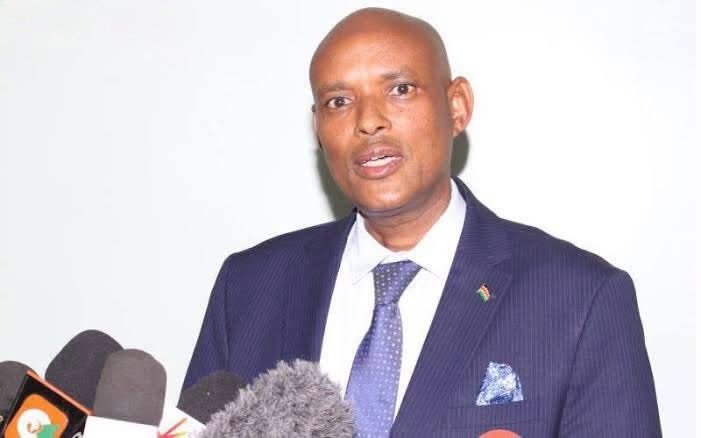
NAIROBI — Kenya’s Directorate of Criminal Investigations (Directorate of Criminal Investigations (DCI)) has been ranked among the leading investigative agencies in Africa in a recent report assessing law enforcement effectiveness across the continent, according to figures cited in local and regional security discussions.
The report, which also placed Ghana’s Criminal Investigations Department and several other African security agencies in strong positions, evaluated institutions based on their handling of major criminal cases, operational capacity, and adoption of modern investigative techniques. Uganda, Ethiopia, Morocco, Egypt, Sudan, Zimbabwe, Botswana, and South Africa were also listed among countries with notable investigative units.
In Kenya, the findings have come amid ongoing public debate about the evolving role of the DCI, which is headed by Director of Criminal Investigations Mohamed Amin. While supporters of the agency point to its growing technical capacity and success in complex investigations, critics continue to raise concerns about its perceived focus and public-facing priorities.
Some civil society actors and online commentators argue that the agency has increasingly been associated with cases involving activists, bloggers, and government critics—claims that officials and supporters of the DCI have repeatedly rejected, insisting the agency remains focused on serious crime including terrorism, corruption, organised crime, and homicide investigations.
Security analysts say such perceptions are not unusual for major investigative bodies, particularly in politically sensitive environments, where the line between law enforcement and civil liberties is often closely scrutinised. They note that maintaining public confidence requires not only operational effectiveness, but also transparency and consistent adherence to due process.
Under Mohamed Amin’s leadership, the DCI has expanded its use of digital forensics, intelligence-led policing, and cross-border cooperation to address increasingly sophisticated criminal networks. He is widely regarded within security circles for his long experience in criminal investigations and policing, and has represented Kenya in several international policing forums, including Interpol structures, according to official and institutional profiles.
However, observers say the broader question raised by the report goes beyond rankings: how can investigative agencies maintain both high performance in combating crime and strong public trust in their impartiality?
For many analysts, the answer lies in strengthening accountability mechanisms, improving communication with the public, and ensuring equal application of the law across all categories of suspects.
As the debate continues, Kenya’s DCI remains both a key pillar of the country’s internal security system and a focal point of public expectations about justice, safety, and institutional neutrality.