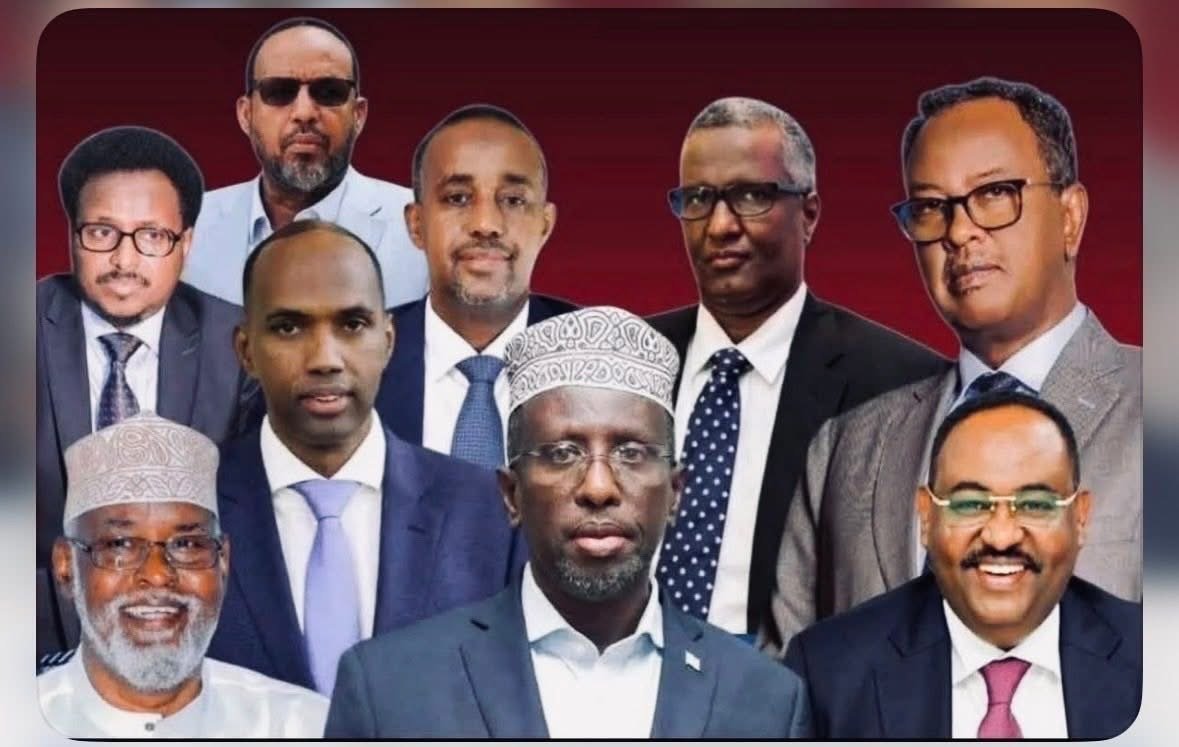
MOGADISHU — Somalia’s political opposition is facing renewed scrutiny amid a growing public debate over whether its actions are advancing reform and accountability or exacerbating instability in a fragile state.
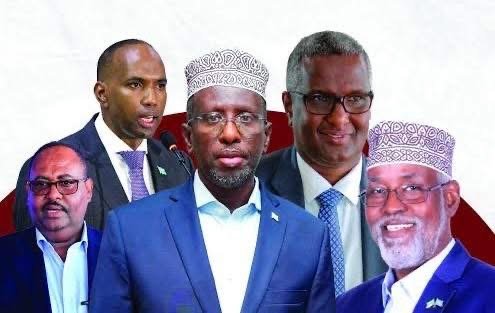
The discussion has intensified in recent weeks, with political figures, analysts and citizens increasingly divided over the role opposition actors should play at a time when Somalia continues to grapple with security threats, economic pressures and unresolved institutional challenges.
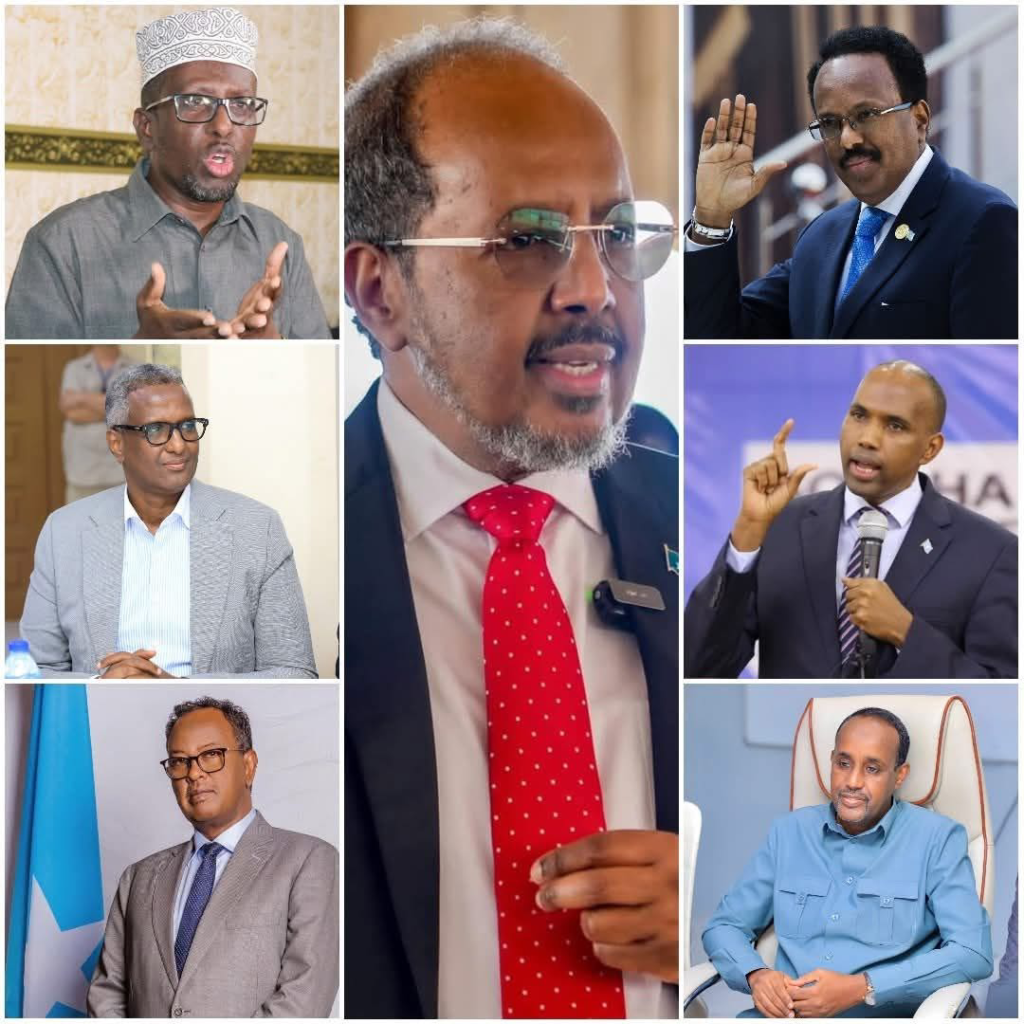
Across emerging democracies, opposition movements are widely regarded as essential to political balance. Yet in conflict-affected environments like Somalia, their role is often more contested.
Analysts broadly distinguish between two forms of opposition: constructive and destructive.
Constructive opposition is seen as a cornerstone of democratic governance. It serves as a watchdog, holding authorities accountable, exposing corruption and policy failures, and offering alternative solutions. Such actors typically operate within institutional frameworks—engaging in parliamentary processes, public debate and policy development—while presenting themselves as credible alternatives to those in power.
“Effective opposition is not just about criticism; it is about providing direction,” said a Horn of Africa-based political analyst. “It strengthens governance by compelling leaders to respond and improve.”
By contrast, destructive opposition is often linked to obstructionist tactics and rhetoric that critics say prioritize political advantage over national interest. This can include sustained criticism without policy alternatives, political boycotts, or actions that risk undermining already fragile institutions.
Observers warn that in highly polarized settings, such behavior can blur the line between legitimate dissent and destabilization. In extreme cases, it may fuel political deadlock, weaken public confidence and aggravate insecurity.
The stakes are particularly high in Somalia, where political competition unfolds alongside an ongoing insurgency and a complex federal system still in development. Analysts say opposition conduct in such an environment can have far-reaching consequences—not only for governance, but also for national cohesion and international partnerships.
Diplomatic sources and policy experts increasingly stress the need for what they describe as “responsible opposition,” encouraging dialogue and engagement over confrontation. International partners have repeatedly called for inclusive political processes, warning against zero-sum dynamics that could derail progress.
Still, defining the nature of opposition remains deeply subjective. Government critics often argue that strong, confrontational tactics are necessary to drive change, while authorities may frame such actions as destabilizing.
For many Somalis, the distinction comes down to tangible outcomes. “People want to see solutions,” said a Mogadishu-based civil society activist. “Criticism alone is not enough if it does not address the country’s real problems.”
As Somalia navigates a critical phase in its state-building process, the role of opposition remains a central—and unresolved—question.
Analysts say the ultimate measure lies not in rhetoric, but in impact: whether opposition actors contribute to stability and reform, or deepen division in an already fragile political landscape.