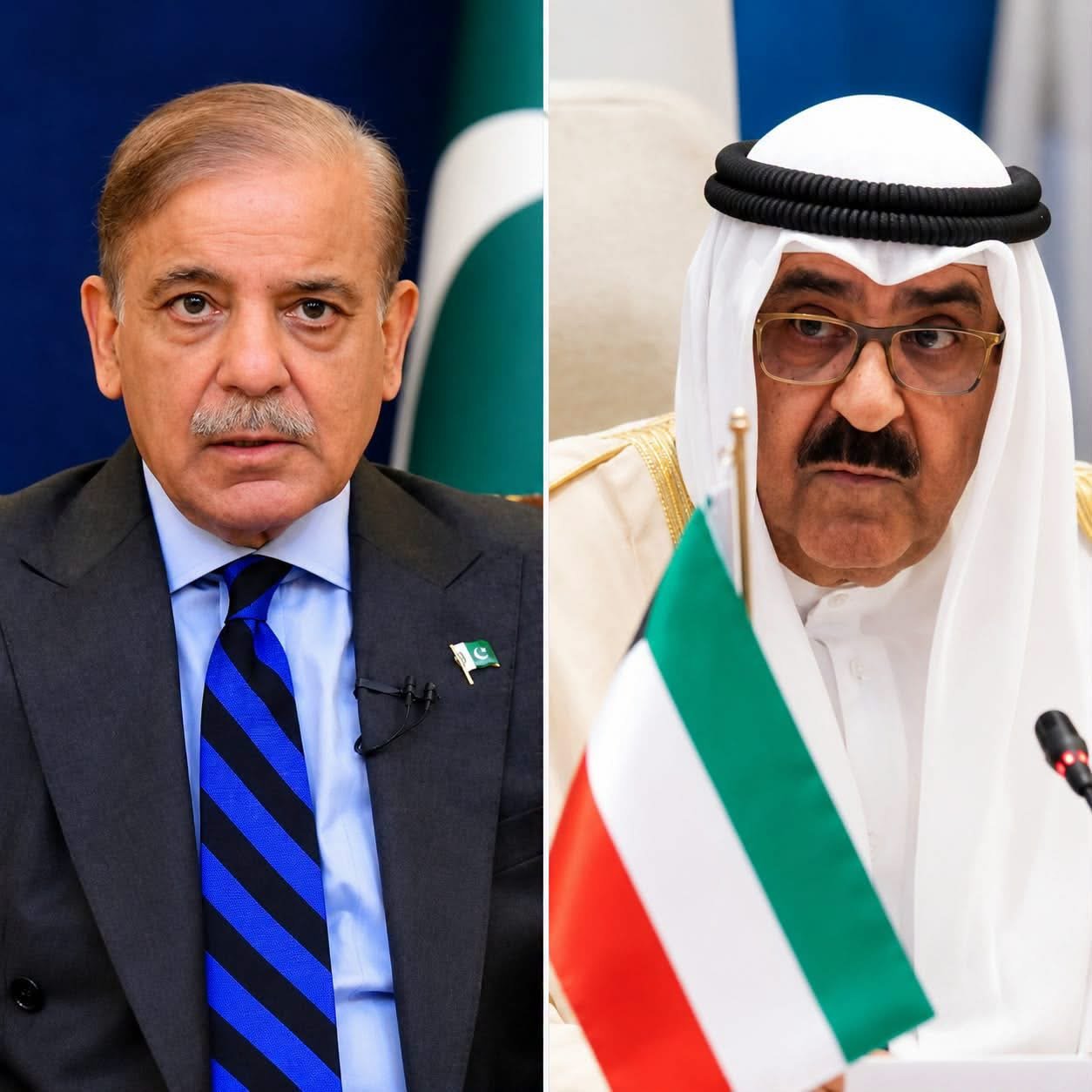
ISLAMABAD — Pakistan is holding discussions with Kuwait over a potential defense cooperation agreement that could deepen security ties between the two countries in exchange for greater energy cooperation and increased Kuwaiti investment in Pakistan, according to a report by Reuters.
Sources familiar with the talks said the proposed arrangement could include expanded military cooperation between Islamabad and Kuwait, while Pakistan would support Kuwait’s security interests and Kuwait would provide economic support through energy partnerships and investments in key sectors of the Pakistani economy.
Reuters reported that the possible agreement could resemble a defense pact recently established between Pakistan and Saudi Arabia, under which an attack against Saudi Arabia would be considered an attack against Pakistan. The framework reflects Pakistan’s growing role as a security partner for Gulf countries seeking stronger defense relationships amid rising regional tensions.
The discussions come as Gulf states continue to strengthen their security partnerships while also seeking economic diversification, energy security, and investment opportunities. Pakistan, which maintains one of the largest militaries in the region, has historically maintained close military and diplomatic relations with Gulf countries.
Kuwait has long been an important economic partner for Pakistan, with cooperation in areas including energy, trade, and labor. Islamabad is seeking foreign investment to support economic growth, stabilize its energy sector, and improve financial conditions.
A potential defense agreement with Kuwait would mark a further expansion of Pakistan’s security role in the Gulf region, where it has previously provided military training, defense cooperation, and personnel support to several Arab states.
However, details of the proposed agreement, including its scope, timeline, and specific commitments from both sides, remain under discussion and have not been officially announced by either government.
The talks come at a time of increased geopolitical uncertainty in the Middle East, with Gulf countries reviewing their security strategies and strengthening partnerships with regional and international allies.