TEHRAN — Iran’s Islamic Revolutionary Guard Corps (IRGC) on Friday announced a series of coordinated military operations targeting US military facilities and assets across Syria, Qatar, Jordan, Oman, Iraq, and Kuwait, marking a significant escalation in regional tensions following recent US strikes on Iranian territory.
The IRGC said the attacks were launched in retaliation for the killing of Iranian personnel and what it described as American aggression against the Islamic Republic. The claims, which could not be independently verified, represent one of the broadest Iranian military responses in recent years and raise concerns about a wider regional confrontation.
Iran Claims Strike on Former US Base in Syria
Iranian state media reported that IRGC forces targeted a US special operations command center at Al-Tanf in southeastern Syria. Tehran said the attack was intended as retaliation for the deaths of Iranian soldiers in Iranshahr.
There was no immediate confirmation from either the Syrian government or the US military. The United States previously announced that it had completed its withdrawal from the Al-Tanf base earlier this year, leaving uncertainty over the extent of any remaining military presence at the location.
Syria has repeatedly stated that it seeks to avoid becoming directly involved in regional conflicts. President Ahmed Al-Sharaa emphasized in March that Damascus would remain neutral unless Syrian territory itself came under attack.
Al-Udeid Base in Qatar Targeted
The IRGC also claimed responsibility for an attack on the Al-Udeid Air Base in Qatar, one of the largest US military installations in the Middle East and a key hub for American operations across the region.
According to an IRGC statement, Iranian forces targeted radar systems and military aircraft stationed at the base, describing the operation as a measure to “punish the aggressor” following overnight US strikes on Iran.
Qatari authorities had not immediately commented on the claims.
Jordan Reports Missile Interceptions
Jordan’s military announced that its air defense systems intercepted and destroyed three Iranian missiles that entered Jordanian airspace on Friday morning.
The Jordanian Armed Forces said no casualties or property damage were reported. The kingdom remains a critical security partner of the United States and has frequently found itself caught between escalating tensions involving Iran, Israel, and US forces in the region.
Meanwhile, the IRGC claimed it had struck US military aircraft based in Jordan using ballistic missiles and drones. Iranian officials asserted that several refueling aircraft and fighter jets were destroyed, though independent verification was not available.
Drones Shot Down Over Erbil
In Iraq’s Kurdistan Region, Kurdish security officials reported that coalition forces intercepted eight explosive-laden drones over the city of Erbil between approximately 4:19 a.m. and 5:25 a.m. local time.
No casualties or damage were reported. The incident marked the second drone attack targeting the area this week and highlights growing concerns over the vulnerability of military and strategic sites across Iraq.
Kuwait Reports Damage to Energy Infrastructure
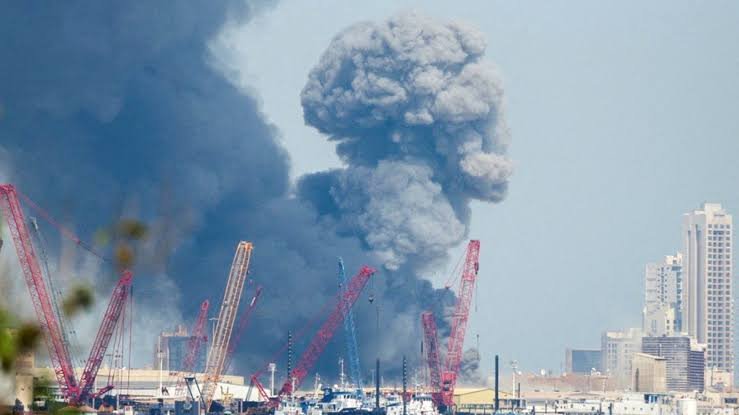
Kuwait’s Ministry of Electricity, Water and Renewable Energy said one of the country’s power generation and water desalination facilities sustained damage during an Iranian attack.
According to the ministry, the strike caused a fire and disrupted multiple electricity generation units, raising concerns about the resilience of critical infrastructure amid the expanding conflict.
Oman Radar Installations Reportedly Hit
Iran also claimed to have targeted two US-linked radar facilities in neighboring Oman. The IRGC stated that its forces destroyed a maritime surveillance radar near the Salamah Rocks and an air surveillance radar in the Ghanam area.
Omani authorities had not immediately confirmed the claims. Oman has traditionally played a mediating role in regional disputes and has sought to maintain neutrality during periods of heightened tension.
Regional Conflict Deepens
The latest developments underscore the growing risk that the confrontation between Iran and the United States could evolve into a broader regional conflict involving multiple countries across the Middle East.
While several governments have sought to avoid direct involvement, the spread of missile, drone, and military operations across national borders has heightened fears of further escalation. Analysts warn that any confirmed attacks on major US military facilities could trigger additional military responses, potentially drawing more regional actors into the crisis.
As governments assess the damage and verify competing claims, international attention remains focused on whether diplomatic efforts can prevent the situation from spiraling into a wider war.