RIYADH – The Abraham Accords, brokered by the United States in 2020, continue to reshape diplomatic relations across the Middle East, establishing formal ties between Israel and several Arab states while key regional powers remain outside the framework.
Under the agreements, Israel normalised relations with the United Arab Emirates, Bahrain and Morocco, marking one of the most significant diplomatic shifts in decades. Sudan has also taken initial steps toward potential normalisation, although a final agreement has yet to be completed. The accords have since opened channels of cooperation in trade, security, investment, energy and technology, contributing to growing economic and strategic engagement among signatories.
The developments have been widely viewed as a realignment of regional priorities, driven in part by shared concerns over security and economic diversification. However, the process has also highlighted deep political divisions that continue to shape Middle East diplomacy.
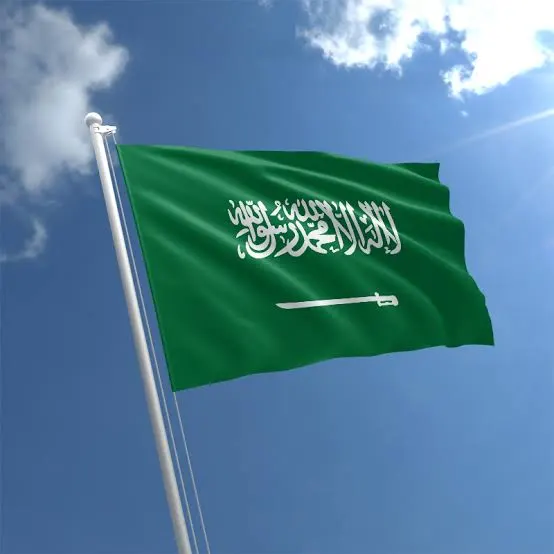
Saudi Arabia, a key regional power, has remained outside the accords. The kingdom has consistently stated that formal relations with Israel will only be considered in the context of a comprehensive peace settlement addressing the Palestinian issue, including the establishment of an independent Palestinian state along internationally recognised borders.
Officials in Riyadh have repeatedly emphasised that the Palestinian question remains central to any future normalisation process, despite growing international and regional discussions about expanding the scope of the accords.
Analysts say the Abraham Accords have significantly altered traditional alliances and created new frameworks for cooperation between Israel and parts of the Arab world. However, they note that the absence of major Arab states such as Saudi Arabia underscores continuing divisions over the Israeli–Palestinian conflict and highlights the limits of regional integration without a broader political settlement.